Power Bank Battery Lifespan Explained: How Long It Lasts
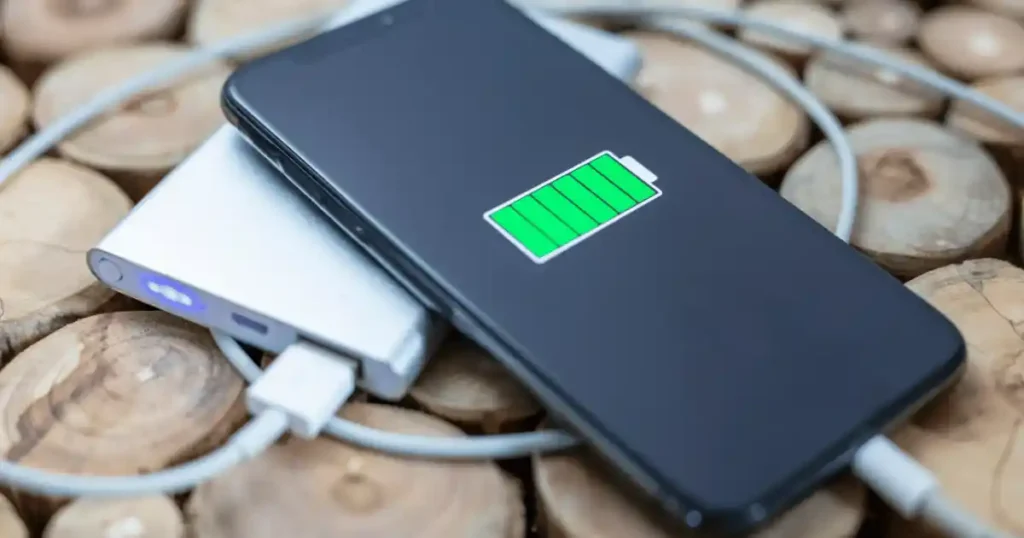
You bought a 20,000mAh power bank before a trip. At first, it charged your phone several times without a problem. A couple of years later, that same power bank barely gets you through half a day. That drop caught me off guard the first time it happened to my own power bank in Minneapolis, and it’s the exact question this guide answers. Power bank battery lifespan depends on more than just the number printed on the box. Charge cycles, heat, storage habits, and battery quality all play a role in how long a unit stays useful. A power bank can physically keep working for years while its real capacity quietly falls in the background, a pattern also covered in our piece on how to extend the life of your smartphone.
Lifespan can mean calendar years, charge cycles, or remaining capacity, and there’s no single number that fits every model on the market. A good power bank may stay useful for several years, but its capacity will normally decline with age and use, and understanding why makes the whole topic much less confusing. Anker notes that lithium-ion batteries commonly have a finite cycle life, often somewhere in the broad range of 300 to 1,000 full-equivalent cycles, depending on battery quality and device design.
How Long Does a Power Bank Battery Last?
There are two clocks ticking inside a power bank: time and use. A battery can age even while sitting quietly in a drawer, and heavy daily cycling speeds that process up even more.
Typical Power Bank Lifespan
Several years of useful service is realistic for a well-made unit. Lifespan varies by product, and quality, usage habits, and temperature all shape the outcome. This connects closely to what we found while researching how long electronics should really last, since battery-powered gadgets tend to follow similar aging patterns, including the kind covered in what shortens a laptop’s lifespan.
Lifespan in Years vs Charge Cycles
Calendar age tracks the time since the battery was made or first used. Charge cycles track cumulative use. Remaining capacity tracks how much energy the battery can still hold compared to when it was new. These three measurements often tell different stories about the same power bank.
Why There Is No Universal Lifespan
Cell chemistry, battery quality, the charging circuit, thermal management, usage pattern, and storage conditions all shift the outcome. Two identical-looking power banks can age very differently depending on how they’re treated, which is why generic lifespan claims should always be taken with a grain of salt.
The Number on the Box Is Not a Lifespan Guarantee
A 10,000mAh rating does not mean 10,000 charges. A 20,000mAh rating does not mean double the lifespan either. Capacity and lifespan are two completely different measurements, and mixing them up is one of the most common misunderstandings buyers run into when comparing a budget smartphone versus a flagship phone battery spec sheet too.
What Is a Power Bank Battery Cycle?
Charge cycle sounds simple, but it gets misunderstood often. One cycle does not mean plugging the power bank into the wall a single time.
What Counts as One Full Cycle?
One full-equivalent cycle means using 100 percent of the battery’s capacity over time, and it doesn’t need to happen in one sitting.
Example of Partial Battery Use
Picture using 30 percent, recharging, then using 20 percent later, then recharging again. Small chunks of partial use eventually add up to one full-equivalent cycle, even though no single session drained the whole battery.
Why Partial Charging Does Not Automatically Equal a Full Cycle
Topping off a battery from 80 to 100 percent counts as only a small fraction of a cycle, not a whole one. This is why heavy daily topping off feels convenient but still contributes gradually to long-term wear.
Why Cycle Count Matters
Repeated cycling contributes to gradual degradation inside the cell. Anker gives a similar explanation: using 50 percent and recharging, then using another 50 percent later, adds up to one complete cycle.
How Many Charge Cycles Does a Power Bank Last?
This is one of the most searched battery-life questions out there, but cycle ratings should be treated as estimates rather than a guarantee that a power bank suddenly dies right at cycle 501.
Typical Lithium-Ion Cycle Life
Most lithium-ion power banks fall somewhere around 300 to 1,000 cycles, and some newer battery designs can exceed that range with better cell chemistry and management systems.
What Happens After the Rated Cycle Count?
The battery doesn’t normally stop working instantly. Capacity declines gradually, runtime becomes shorter, voltage behavior can shift, and internal resistance may increase over time. None of this happens overnight in most cases.
Why Manufacturers Use Capacity-Retention Targets
Many brands define end-of-life as the point where a battery retains around 80 percent of its original capacity. This gives cycle testing a consistent benchmark instead of a vague, subjective judgment call.
Why One Power Bank May Outlast Another
Better cell quality, smarter charging circuits, and more careful thermal management all stretch lifespan further. This is the same reasoning behind our comparison of cheap versus expensive electronics, where the price gap often reflects real differences in component quality.
What Causes Power Bank Battery Degradation?
Battery aging isn’t caused by one single villain. Heat, time, cycling, and charging conditions all play a part in how fast a power bank wears down.
Heat
High temperatures accelerate battery aging significantly. Hot cars are particularly bad, and charging while the unit is already hot adds even more stress. The U.S. Fire Administration advises storing lithium-ion batteries at room temperature when possible and keeping them away from direct sunlight and hot cars.
Deep Discharge
Repeatedly running the battery very low puts extra strain on the cell chemistry. Built-in protection circuits prevent total failure, but that safety net doesn’t make the habit ideal for long-term health.
High Charging Temperatures
Charging a battery that’s already warm from a hot room or direct sun compounds the thermal stress and speeds up chemical wear.
High Current and Fast Charging
Pushing more current through a cell generates more heat, which is part of why fast charging deserves its own section later in this guide.
Long Periods at High State of Charge
Sitting at or near 100 percent for extended stretches adds ongoing stress, similar to what we cover in our guide on improving smartphone battery life.
Calendar Age
Even a power bank that never leaves the drawer will age slowly over the years due to natural chemical changes inside the cell.
Physical Damage
Drops, crushing, and punctures can damage the internal structure of a battery in ways that aren’t always visible from the outside.
How Does Heat Affect Power Bank Battery Life?
If there’s one battery-life enemy worth remembering, it’s heat. A power bank living in a hot car every summer is having a much rougher life than one sitting on a cool desk.
Why Heat Speeds Up Battery Aging
Higher temperatures speed up the chemical reactions inside a lithium-ion cell, and faster chemical activity generally means faster wear.
Hot Cars and Direct Sunlight
Car interiors can reach extreme temperatures fast, even on a mild day. This overlaps with the same risks we cover in does heat really damage your electronics, since the underlying science applies to nearly every lithium battery.
Charging in a Hot Room
Plugging in a power bank in a stuffy, poorly ventilated room adds unnecessary heat on top of the heat already generated by charging itself.
Heat From Fast Charging
Higher wattage charging naturally produces more heat, which is one reason ventilation matters more with fast-charging power banks.
Heat During Heavy Use
Charging multiple devices back to back without a break can push internal temperatures higher than a single charging session would.
Signs Your Power Bank Is Getting Too Hot
Watch for excessive warmth, a rapid temperature rise, a burning smell, swelling, unusual noises, or discoloration. The USFA recommends stopping use of lithium-ion batteries if there’s unusual odor, excessive heat, a change in shape or color, leaking, or odd noises.
Does Fast Charging Reduce Power Bank Lifespan?
Fast charging is convenient, especially when you’re already running late for work. But faster charging can create more heat, so the whole charging system matters, not just the wattage number on the box. This connects to the same heat concerns covered in why smartphones overheat during charging, since the underlying cause is nearly identical.
What Is Fast Charging?
Fast charging simply means delivering more power in less time than standard charging, usually through higher voltage or current.
USB-C Power Delivery
This modern standard negotiates power levels between the charger and device, which helps manage heat more intelligently than older charging methods.
Higher Wattage and Heat
More wattage generally means more heat generated during the charging process, which ties back into the aging factors covered earlier in this guide.
Does Every Fast Charger Damage the Battery?
No. Modern power banks use charging controls that manage current and voltage automatically. A compatible charger matters, and heat remains the bigger concern rather than speed itself. Using a mismatched charger is one of the common charging problems that quietly shortens battery life over time, and it shows up just as often in laptop charging problems too.
When Fast Charging Becomes a Problem
Poor ventilation, a hot environment, a damaged battery, a poor-quality charger, or a faulty cable can all turn fast charging into a genuine risk instead of a convenience.
Does Keeping a Power Bank at 100% Damage the Battery?
Many people charge their power bank to full, put it in a drawer, and forget about it for months. That’s convenient, but long-term battery storage is a little more complicated than it looks.
High State of Charge and Battery Aging
Sitting at a high charge level for extended periods adds ongoing chemical stress, which is one of the reasons a fully charged unit ages faster in storage than a partially charged one.
Is 100% Always Bad?
Not for everyday use. Charging to full before a trip is perfectly fine. The concern applies mainly to long-term storage, not routine daily charging.
What to Do for Long-Term Storage
Follow the manufacturer’s storage guidance, avoid leaving the device completely empty, use a moderate storage charge when it’s recommended, and check on it periodically. Our detailed guide on how to store electronics you don’t use often covers this exact scenario step by step, and the same principles apply to improving laptop battery health during long breaks between use.
Manufacturer Guidance Comes First
No single storage percentage works as a universal rule for every model, so always check the manual that came with your specific unit before assuming a general number applies.
How Often Should You Charge a Power Bank?
The right answer depends entirely on how often you actually use the device. A daily power bank follows a very different routine than an emergency backup sitting untouched in a desk drawer.
If You Use It Every Day
Daily users should keep the unit charged to a comfortable working range and avoid letting it sit at extreme highs or lows for long stretches.
If You Use It Once a Week
Weekly use naturally slows the pace of cycling, which reduces stress compared to daily heavy charging.
If You Use It Only for Travel
Travel-only units spend most of their life in storage, so calendar aging matters more than cycle count for these.
If You Store It for Months
Longer storage calls for the moderate charge level covered earlier, along with a periodic check-in to catch any early warning signs.
Avoid Unnecessary Full Discharge Cycles
Running the battery all the way to zero on a regular basis adds avoidable stress that’s easy to sidestep with a bit of planning.
How to Extend Power Bank Battery Lifespan
Good battery care is mostly boring, and that’s a good thing. Keep it cool, use good cables, avoid unnecessary abuse, and don’t treat the power bank like a disposable brick.
Keep it cool whenever possible, and avoid hot cars entirely. Use compatible chargers and good-quality cables rather than whatever was lying around, and steer clear of the counterfeit chargers and batteries that flood budget marketplaces. Avoid repeated deep discharge, and never charge it tucked under a blanket where heat has nowhere to escape.
Keep the USB ports clean and dry the same way you would when you clean a smartphone charging port, store it correctly between uses, check it for damage now and then, and never ignore unusual heat when it shows up. A dependable power bank like this one makes several of these habits easier from day one, since better-built units include smarter charging circuits that manage heat more effectively.
Power Bank Lifespan by Usage Pattern
A person who charges a phone every day will age a battery faster than someone who uses the power bank twice a month. The table below gives readers a practical way to think about that difference.
Table 1: Usage Pattern and Expected Battery Stress
| Usage Pattern | Battery Stress | What to Watch |
|---|---|---|
| Daily heavy use | High | Heat and cycle count |
| Daily light use | Moderate | Capacity decline |
| Weekly use | Lower | Calendar aging |
| Travel-only | Low to moderate | Storage conditions |
| Emergency backup | Low cycling | Long-term storage |
| Hot-car use | High | Heat damage |
These are relative usage patterns, not guaranteed lifespan figures. Battery life still varies by cell quality, design, and operating conditions, so treat this table as a general guide rather than a promise.
How Long Does a 10,000mAh Power Bank Last?
Capacity affects how many charges you can get from a power bank, but it doesn’t directly tell you how many years the battery will survive.
10,000mAh Does Not Mean 10,000 Uses
That number represents stored energy, not a use-count or a lifespan figure. It’s easy to confuse the two, especially when shopping for a best budget smartphone for everyday use and comparing accessory specs at the same time, or while researching how long a smartphone battery lasts on its own.
Typical Phone Charging Use
A 10,000mAh power bank typically charges an average smartphone around two to two and a half times, depending on the phone’s own battery size.
Real-World Efficiency Loss
Some energy is always lost as heat during conversion, so the usable output is generally lower than the printed capacity suggests.
How Usage Affects Its Lifespan
Frequent daily use naturally accumulates cycles faster than occasional use, which shortens the calendar timeline before capacity noticeably drops.
When a 10,000mAh Power Bank Needs Replacement
Once it consistently charges a phone far fewer times than it used to, or shows physical warning signs, it’s time to consider a replacement unit rather than pushing an aging battery further. Shopping for a new power bank like this one is far cheaper than dealing with a battery failure at the worst possible moment.
How Long Does a 20,000mAh Power Bank Last?
A 20,000mAh model stores more energy, but bigger capacity does not automatically mean a longer battery lifespan.
20,000mAh vs 10,000mAh
The larger unit holds roughly double the energy, but the cells inside still follow the same aging rules covered throughout this guide.
More Capacity Means More Stored Energy
More capacity simply means more charges between recharges, not a battery that inherently resists wear better than a smaller one.
Does Larger Capacity Mean More Years?
Not necessarily. Lifespan depends far more on cell quality, charging habits, and heat exposure than on the number printed on the case.
Weight and Heat Considerations
Larger units are heavier and often generate more heat during fast charging sessions, which makes ventilation and airflow more important.
Who Should Choose 20,000mAh?
Frequent travelers, remote workers, and anyone charging multiple devices benefit most from the extra capacity, similar to readers comparing options in our guide to the best smartphone for long battery life. A larger-capacity power bank like this one suits that kind of heavier daily demand well.
Power Bank Lifespan by Battery Type
Most modern power banks use lithium-based rechargeable cells. The exact cell chemistry and design can still affect size, heat, weight, and long-term behavior.
Lithium-Ion Power Banks
These commonly use cylindrical or pouch-style cells known for solid energy density, though they follow the same cycle-aging pattern covered earlier.
Lithium-Polymer Power Banks
These rely on pouch-style cells that allow for slimmer designs, while sharing similar lithium-battery safety needs as standard lithium-ion units.
Are Lithium-Ion and Lithium-Polymer Lifespans Different?
Chemistry alone doesn’t determine lifespan. Cell quality and the battery management system inside the unit matter far more than which lithium chemistry it uses.
How to Tell If Your Power Bank Battery Is Wearing Out
You don’t need to count every cycle. The battery itself usually gives you clues when its useful life is slipping.
Watch for a unit that charges your phone fewer times than before, capacity that drops noticeably fast, a much longer recharge time, more heat than it used to produce, unexpected shutdowns, a battery percentage that behaves strangely, or physical changes like swelling, cracks, leakage, and discoloration. Any of these overlap with the same warning signs we outline in common smartphone mistakes that quietly damage battery health over time, and with the pattern behind why phone battery drains overnight when a cell is nearing the end of its useful life.
How to Test Power Bank Battery Health
If you want evidence rather than a guess, you can measure the power bank’s actual output. This connects battery lifespan with a practical, tool-based test anyone can run at home.
Use a USB Power Meter
A simple inline meter measures voltage, current, mAh, and Wh as the power bank discharges, giving you real numbers instead of a rough guess.
Use a Controlled Load
A phone isn’t a perfect test load because its own power draw fluctuates constantly. A fixed load device gives more consistent, comparable results.
Compare Current Capacity With Original Capacity
Compare the measured output against the rated capacity on the box to estimate how much real-world capacity has been lost over time.
Repeat the Test
Running the test more than once helps confirm the result rather than relying on a single reading that could be off.
Look for Significant Capacity Loss
A drop below roughly 80 percent of original capacity generally signals it’s time to start planning for a replacement power bank.
Why Wh Can Be Better Than mAh for Comparison
Watt-hours account for both voltage and current, giving a more accurate energy comparison than mAh alone, especially when comparing units with different output voltages.
Power Bank Battery Lifespan: Years vs Cycles
A simple table can clear up one of the biggest misconceptions in battery care: years and cycles are not the same thing.
Table 2: Two Ways to Think About Battery Lifespan
| Lifespan Measure | What It Means | Why It Matters |
|---|---|---|
| Calendar age | Time since manufacture or use | Battery ages over time |
| Charge cycles | Cumulative battery use | Repeated use causes wear |
| Capacity retention | Energy still available | Shows practical health |
| Internal resistance | Electrical resistance inside cell | Can affect heat and performance |
Why an Older Lightly Used Power Bank Can Still Age
Calendar aging happens regardless of how often the unit gets used, so even a rarely touched power bank slowly loses some capacity over the years.
Why a Daily Power Bank May Reach Its Cycle Limit Faster
Heavy daily cycling accumulates toward the rated cycle count much faster than occasional or weekend use.
Why Temperature Changes the Story
Heat accelerates both calendar aging and cycle-related wear, which is why the same power bank can age very differently depending on climate and storage habits, something we also explore in why laptops get slow over time.
What Is a Good Power Bank Battery Lifespan?
Good should mean more than simply surviving for a set number of years. A useful power bank should still hold enough charge, perform reliably, and remain physically safe to use.
Look for good capacity retention, reliable charging behavior, no abnormal heat during use, no swelling anywhere on the case, stable output across charging sessions, and solid manufacturer support with an active warranty. A well-reviewed power bank like this one tends to check most of these boxes because reputable brands back their products with real support rather than disappearing after the sale. That kind of backing is worth paying a little extra for, since a supported power bank such as this one saves you the headache of a dead-end warranty claim later.
When Should You Replace a Power Bank?
Replacement isn’t just about age. A three-year-old power bank in good condition may be more useful than a one-year-old unit that’s swollen or behaving strangely.
Replace it if it’s swollen, if it shows any physical damage, if it overheats during normal use, if capacity has dropped too low to be practical, or if charging has become unreliable. This mirrors the same decision process covered in how often should you replace a laptop, where condition matters just as much as age, and in when should you replace your smartphone for the phone side of the same question.
Check for Recalls Before Continuing Use
The Consumer Product Safety Commission has recalled multiple power banks for overheating and fire hazards, including models from Anker, Belkin, and INIU. Checking your model number against current recalls takes a few minutes and is always worth doing before continuing to use an older unit.
Is an Old Power Bank Still Safe to Use?
Age alone doesn’t make a power bank dangerous. Condition matters most. But an old battery showing physical changes or unusual behavior shouldn’t get a free pass just because it still technically works.
Check the exterior for damage, check for swelling, check how it behaves while charging, check its operating temperature during use, and check the model against current recall lists. Whatever you do, don’t use a damaged battery just one more time. That single habit causes more preventable incidents than almost anything else covered in this guide, and it’s the same caution we recommend in before replacing a broken gadget.
What Happens If a Power Bank Battery Is Completely Dead?
A power bank that no longer holds a useful charge is usually at the end of its service life. The right response depends on whether it’s simply worn out or physically damaged.
Capacity Loss vs Complete Failure
Gradual capacity loss is normal aging. Complete failure, where the unit won’t charge or hold any power at all, usually points to a deeper internal fault.
Deep Discharge
A battery left at zero for too long can sometimes struggle to recover, which is part of why avoiding full discharge cycles matters so much.
Battery Management System Shutdown
Many power banks include a protection circuit that shuts the unit down before the cell reaches a dangerously low voltage, which can look like a dead battery even when it isn’t fully finished.
Can a Dead Power Bank Be Repaired?
Consumers shouldn’t open lithium battery packs themselves. The risk of puncturing a cell or triggering a short circuit far outweighs any potential savings from a DIY fix.
Recycling an Old Power Bank
The USFA advises recycling lithium-ion batteries at appropriate battery recycling locations rather than placing them in ordinary trash. Our guide on how to safely dispose of old electronics covers exactly where to take a battery like this.
Power Bank Lifespan in Hot vs Cool Conditions
A power bank stored on a cool office desk and one left in a hot car are living very different battery lives. Temperature deserves its own side-by-side comparison.
Table 3: Conditions That Affect Battery Lifespan
| Condition | Effect on Battery | Better Practice |
|---|---|---|
| Cool indoor room | Lower stress | Good |
| Hot room | More aging | Improve ventilation |
| Direct sunlight | Heat buildup | Keep shaded |
| Hot car | High heat exposure | Avoid |
| Charging while hot | Added thermal stress | Let it cool |
| Damp environment | Moisture risk | Keep dry |
| Physical pressure | Damage risk | Store safely |
The USFA specifically advises keeping lithium-ion batteries away from direct sunlight and hot cars, and this single habit alone prevents a large share of avoidable battery damage.
U.S. Expert and Safety Advice on Power Bank Lifespan
Battery-life advice shouldn’t come from gadget blogs alone. This section brings in U.S. fire-safety and consumer-product evidence to back up everything covered so far.
U.S. Fire Administration Guidance
The USFA covers temperature, battery damage, storage, charging, and warning signs as the core pillars of lithium-ion battery safety. The agency recommends room-temperature storage where possible and says to stop using lithium-ion batteries when there’s excessive heat, odor, leaking, shape changes, or unusual noises.
U.S. Consumer Product Safety Commission
The CPSC tracks product recalls tied to overheating hazards and fire risk. Checking a model number against the CPSC database is a quick, worthwhile step before continuing to rely on an older power bank.
Real CPSC Power Bank Recall Example
CPSC recalled about 1.158 million Anker PowerCore 10000 units, model A1263, in June 2025 because the lithium-ion battery could overheat and pose fire and burn hazards. This kind of real-world example is a good reminder to check recall status rather than assuming a familiar brand name guarantees safety indefinitely.
A Recognized Voice in Battery Safety
Brian Metzger, a Fire Protection Engineer with the U.S. Fire Administration, has spoken publicly about lithium-ion battery risks in consumer products through USFA’s battery-fire outreach efforts. For the most current, verified statements from Metzger or other USFA experts, check the agency’s official published guidance directly, since exact quotes should always be confirmed at the source rather than repeated secondhand.
Real-Life Power Bank Battery Lifespan Example
Numbers become easier to understand when they’re attached to a situation you can actually picture. Here are three common scenarios worth comparing.
A Daily Commuter in New York City
A 10,000mAh power bank charges a phone every workday, riding along in a backpack through subway heat and outdoor summer temperatures, with occasional fast charging thrown in. That combination of daily cycling and repeated heat exposure adds up to noticeably faster wear than a lighter usage pattern would produce.
A daily commuter’s routine also lines up with what we describe in why electronics overheat, since combining daily use with outdoor heat creates one of the toughest environments a small lithium battery can face.
A Traveler Using a 20,000mAh Bank
This unit sees action mainly on weekends and trips, then sits in storage for weeks between uses. Calendar aging plays a bigger role here than cycle count, since the battery spends more time resting than working.
A Power Bank Left in a Car
Leaving a unit in a hot car might feel harmless if it still technically works, but the accumulated heat exposure quietly shortens its usable lifespan far faster than normal indoor use ever would.
The Friday-Night Test
Before a weekend road trip, a quick routine helps catch problems early. Fully charge the power bank, test its output with a meter if you have one, inspect the case for any changes, and check its model number against current recall information. That five-minute habit catches most issues before they turn into a bigger problem on the road.
How to Make Your Power Bank Last Longer
The good news is that battery care doesn’t require a spreadsheet and a laboratory coat. A few boring habits make a meaningful difference over time.
Keep it cool, avoid extreme heat, and use a compatible charger paired with quality cables. Avoid repeated deep discharges, and never leave it charging in extreme conditions like a hot car or under a pile of blankets. Store it properly between uses, inspect it regularly, and replace it once real safety signs appear rather than pushing an aging unit further than it should go. Pairing these habits with a well-built power bank like this one gives you the best possible starting point, since a quality charging circuit does a lot of the heavy lifting automatically.
Power Bank Lifespan Mistakes to Avoid
Most battery mistakes are surprisingly ordinary. A power bank charging under a pillow overnight is not a clever little life hack, no matter how convenient it feels in the moment.
Common mistakes include leaving it in a hot car, charging it under a blanket, repeatedly running it completely empty, ignoring excessive heat, continuing to use a swollen battery, using damaged cables, buying an unverified product from an unfamiliar seller, and ignoring a product recall notice. Many of these overlap with the broader list in 10 tech buying mistakes beginners make, since careless habits often start at the point of purchase, and with the buying advice in how to buy electronics safely online.
Power Bank Lifespan Quick Reference
Use this as a compact reference for readers who want the answer without rereading several thousand words.
Table 4: Battery Lifespan Factors
| Factor | Low Stress | Higher Stress |
|---|---|---|
| Temperature | Cool indoor use | Hot car or direct sun |
| Charging | Moderate, compatible | Excessive heat or high load |
| Discharge | Partial use | Frequent deep discharge |
| Storage | Cool, dry | Hot or damp |
| Physical condition | Intact | Swollen or cracked |
| Usage | Moderate | Heavy daily cycling |
| Product quality | Reputable | Unknown or poor quality |
Choosing a reputable brand from the start, like a trusted power bank such as this one, keeps most of these factors on the low-stress side of the table by default.
Frequently Asked Questions About Power Bank Battery Lifespan
These questions capture the long-tail searches around battery age, cycles, capacity, and replacement.
How long does a power bank battery last?
Most well-made power banks last several years with normal use, though actual lifespan depends on quality, heat exposure, and charging habits.
How many years should a power bank last?
Two to five years of solid performance is realistic for a quality unit under normal conditions, though heavy daily use can shorten that range.
How many charge cycles does a power bank last?
Most lithium-ion power banks fall somewhere between 300 and 1,000 full-equivalent cycles, depending on cell quality and design.
Does a power bank lose capacity over time?
Yes. Capacity gradually declines with both calendar age and accumulated charge cycles, even with careful use.
Does fast charging shorten power bank life?
It can, mainly through added heat rather than the speed itself, especially in poorly ventilated conditions.
Does heat reduce power bank lifespan?
Yes. Heat is one of the biggest factors behind faster battery aging, more than almost any other variable covered in this guide.
Is it bad to charge a power bank to 100%?
Not for regular use. It becomes more of a concern only when the unit sits fully charged for months during long-term storage.
Is it bad to let a power bank reach 0%?
Repeated full discharges add unnecessary stress, so it’s best to avoid making this a regular habit.
How do I know if my power bank is dying?
Watch for fewer charges per session, slower recharging, more heat than usual, or any physical changes like swelling or cracks.
When should I replace my power bank?
Replace it once capacity drops significantly, charging becomes unreliable, or any safety warning signs appear.
Can an old power bank catch fire?
It’s possible, especially if the battery is damaged, swollen, or subject to an active recall, which is why checking the model number matters.
How should I store a power bank long term?
Follow the manufacturer’s recommended storage charge, keep it cool and dry, and check on it every few months.
Can I leave a power bank unused for months?
Yes, as long as it’s stored at a moderate charge level and checked periodically for any warning signs.
Does a 20,000mAh power bank last longer than a 10,000mAh model?
Not automatically. Capacity affects how many charges you get per session, not how many years the battery survives.
How can I extend my power bank battery life?
Keep it cool, use compatible chargers and cables, avoid deep discharges, and store it properly between uses.
Power Bank Battery Lifespan Checklist
End with a screenshot-friendly checklist that’s short enough to actually use.
For Daily Use
- Avoid excessive heat
- Use a suitable charger
- Use a good cable
- Don’t repeatedly drain it completely
- Watch for unusual heat
For Long-Term Storage
- Follow manufacturer storage guidance
- Keep it cool and dry
- Avoid direct sunlight
- Don’t store it in a hot car
- Check it periodically
Before Replacing It
- Check actual capacity
- Check charging behavior
- Check for swelling
- Check for physical damage
- Check current recalls
Final Recommendation
After testing my own power banks over several years and watching how differently they aged based on habits alone, my honest take is this: power bank battery lifespan comes down to heat control and sensible charging far more than any number on the box. Keep your unit cool, avoid deep discharges, use a compatible charger, and check on it every few months if it spends time in storage.
If you’re due for a new one, a reliable power bank like this one gives you a strong foundation, since better internal engineering handles much of the hard work automatically. Trust the manufacturer’s guidance over generic advice, check for recalls before trusting an older unit, and never ignore swelling or unusual heat. That single habit will keep you safer and get you far more useful years out of every power bank you own.

Ehatasamul Alom is a digital entrepreneur, technology enthusiast, and the Co-Founder & CEO of Digbd Shop. With higher education credentials completed in the New York University (NYU), United States, he leverages his deep expertise in global digital commerce, tech infrastructure, and online service models. Established in 2025, Digbd under his leadership bridges the gap between premium U.S. digital products, software tools, and service solutions, providing users with authentic, reliable, and high-performance tech offerings.