Common Smartphone Mistakes That Damage Battery Life Over Time

Your phone screen flashes a red twelve percent icon, so you quickly plug it into a wall outlet. You leave it charging under your pillow overnight, play heavy games while plugged in, and leave it inside a hot car during a warm day in New York. Six months later, you notice your phone battery dies before lunch. Modern mobile devices use lithium-ion or lithium-polymer cells designed to age gradually over time. You cannot stop chemical degradation completely, but avoiding common smartphone mistakes that damage battery life over time will help your cell retain usable charge much longer.
Why Smartphone Batteries Lose Capacity Over Time
Battery capacity drops as internal chemical components degrade from normal daily use. Knowing how these power cells age helps you protect your phone.
How lithium-ion smartphone batteries work
Lithium-ion cells store energy through chemical reactions inside the battery casing.
- Electrodes move lithium ions back and forth during charge and discharge cycles.
- Ions travel through internal liquid electrolyte solutions to power your handset.
- Chemical pathways degrade slightly every time power flows through the cell.
- Maximum energy storage capacity drops gradually over months of ownership.
What battery capacity actually means
Factory capacity measures how much charge a brand-new battery holds at launch. Rated capacity shows the official energy rating provided by phone manufacturers. Usable capacity reflects the real-world power available to run your mobile apps. Maximum capacity drops as internal chemistry ages over hundreds of charge cycles. Battery percentage on your status bar shows current charge, not overall battery health.
Chemical age versus calendar age
Two phones bought on the same day can show very different battery health levels.
- High heat exposure accelerates internal chemical breakdown inside lithium cells.
- Heavy gaming while plugged in forces high power through warm internal circuits.
- Fast chargers supply high currents that elevate internal battery temperatures.
- Keeping a phone at full charge for days increases internal voltage stress.
- Deep discharges down to zero percent add extra physical strain to battery materials.
- Total charge cycles completed affect chemical age far more than calendar months.
Why heat is one of the biggest battery enemies
Heat speeds up unwanted chemical reactions inside lithium-ion battery cells. Charging your phone generates heat, while high workloads like gaming add even more thermal stress. Leaving a phone on a sunny car dashboard can permanently damage internal cell materials. Apple advises users to avoid exposing iPhones to ambient temperatures above 35°C (95°F) because extreme heat permanently degrades total battery capacity.
12 Common Smartphone Mistakes That Damage Battery Life
Daily charging habits shape how long your phone battery lasts over years of use. Correcting small mistakes protects your device from premature chemical wear.
Mistake 1: Letting Your Phone Reach 0% Too Often
Draining your phone until it shuts down puts extra stress on internal battery chemistry.
Why deep discharge can be stressful
Cell voltage drops extremely low when a phone battery empties completely. Very low voltage levels force internal protection circuits to engage to prevent permanent damage. Frequent deep discharges accelerate chemical decay and shorten overall battery lifespan.
What to do instead
- Plug in your handset when the charge level drops to twenty percent.
- Keep a portable power bank in your bag for busy travel days.
- Set up low power mode to save energy before the battery dies completely.
Important myth to address
Accidentally letting your phone hit zero percent once or twice will not destroy the battery. Modern phones include safety features that prevent complete voltage collapse. The real danger comes from making deep discharges a daily habit over many months.
Mistake 2: Keeping Your Phone at 100% for Long Periods
Leaving a fully charged phone plugged into a wall outlet holds internal chemistry at maximum voltage.
Why high charge levels can increase stress
High voltage levels place mechanical and chemical stress on internal battery materials. Sustained high voltage combined with room heat causes electrolyte solutions to break down faster. Reducing time spent at full charge keeps internal components stable for longer periods.
When 100% charging is perfectly reasonable
- Before taking a long flight or road trip across the country.
- During full workdays where access to outlets is limited.
- Whenever you need maximum runtime for emergency situations.
Smart charging features
Modern smartphones use intelligent software algorithms to manage overnight charging. Apple’s Optimised Battery Charging holds iPhone charge at eighty percent overnight, finishing the final twenty percent right before you wake up. Android devices feature Adaptive Charging to match your morning alarm and minimize high-voltage stress.
Mistake 3: Exposing Your Phone to Excessive Heat
Heat breaks down internal battery materials faster than almost any other factor.
Common sources of smartphone heat
- Direct sunlight streaming through windows onto your handset.
- Locked cars parked under hot sun during summer afternoons.
- Running demanding 3D games for extended playing sessions.
- Recording long 4K video clips at maximum screen brightness.
- High-wattage fast charging bricks plugged into wall outlets.
- Qi wireless charging pads with poor thermal dissipation.
The hot-car mistake
You leave your phone on the front seat of a parked car on a warm afternoon. When you return, the glass screen feels hot to the touch and displays a temperature warning. That intense heat breaks down liquid electrolytes inside the battery far faster than months of normal phone use.
What to do if your phone overheats
Power off the phone immediately to stop all processing heat. Remove thick protective cases that trap hot air against the back glass. Move the device to a cool, shaded spot with good airflow and wait for it to cool down naturally before plugging in a charger.
Never use extreme cooling methods
- Do not place a hot phone inside a refrigerator or freezer.
- Never press cold ice packs directly against warm phone glass.
- Avoid rapid temperature changes that create internal condensation.
- Allow the phone to cool down gradually at room temperature.
Mistake 4: Gaming or Recording Video While Charging
Using your phone for heavy processing while plugged in creates heat from two sources simultaneously.
Why heavy use while charging can raise temperature
The phone processor generates heat while running intensive graphics or camera software. At the same time, the charging circuit produces heat while transferring power into the battery. These two heat sources combine inside a sealed glass body, trapping warmth around the power cell.
High-load activities to watch
- Playing online 3D multiplayer mobile games.
- Capturing high-resolution 4K video footage continuously.
- Rendering video edits inside mobile editing software.
- Running GPS navigation with screen brightness set to maximum.
- Broadcasting mobile Wi-Fi hotspot data to other devices.
Better approach
Charge your phone to a comfortable level before launching demanding games or video recording sessions. Unplug the charging cable while playing to keep internal temperatures low, and take breaks between long gaming matches to let the phone cool down.
Mistake 5: Using Cheap or Poor-Quality Chargers
Uncertified wall bricks can deliver unstable voltage levels that harm internal charging circuits.
What makes a charger trustworthy?
- Production by reputable phone brands or trusted accessory manufacturers.
- Official safety certifications printed clearly on the charger housing.
- Support for industry-standard Power Delivery or Quick Charge protocols.
- High-quality copper wiring inside durable cable insulation jackets.
Avoid suspicious accessories
- Extremely cheap wall plugs bought from unverified online sellers.
- Counterfeit chargers made to look like official brand products.
- Charging cables with frayed wire shielding or bent metal connectors.
- Loose power adapters that spark when plugged into wall outlets.
The cable matters too
Frayed charging cables create electrical resistance that generates heat at the connector tip. Damaged wires can cause intermittent charging sessions that repeatedly wake your phone display. Replacing worn cables protects both your battery and your phone’s charging port.
What to do instead
Buy certified charging accessories from well-known manufacturers. Inspect your charging cables regularly for physical wear or loose connectors, and discard any power bricks that feel excessively hot during routine charging.
Mistake 6: Charging Your Phone in a Hot or Poorly Ventilated Place
Trapping heat around your phone during charging accelerates internal battery wear.
Common bad charging locations
- Resting the phone under pillows or heavy blankets while sleeping.
- Placing a charging device on soft couches or plush mattresses.
- Leaving a phone plugged in on top of warm home appliances.
- Charging inside a closed car glove box on sunny days.
Better charging setup
- Place your phone on a hard, flat nightstand or wooden desk.
- Keep the surrounding space clear to promote natural airflow.
- Charge in air-conditioned rooms during hot summer weather.
A simple bedtime example
Placing your charging phone on an open nightstand allows heat to dissipate into room air naturally. Sticking a plugged-in phone under your bed pillow traps all charging heat against the back glass, raising internal cell temperatures to harmful levels throughout the night.
Mistake 7: Using a Damaged Battery
Physical battery damage poses real safety hazards beyond normal capacity loss.
Signs of a damaged battery
- The back glass or screen pushes outward from internal gas pressure.
- The phone frame splits open or feels uneven along side seams.
- The device grows uncomfortably hot during simple tasks.
- Strange chemical odors leak out from charging ports or speaker grilles.
- The phone shuts down instantly when unplugged from wall power.
What to do
- Stop using and charging the phone immediately if you notice swelling.
- Do not press, squeeze, or puncture a swollen battery casing.
- Store the device in a cool, non-flammable area away from carpet or bedding.
- Take the phone to a certified repair facility for safe battery replacement.
Why this is different from normal battery ageing
Declining runtime over several years represents normal chemical wear. Physical swelling or sudden shutdowns indicate internal cell damage that requires immediate professional repair.
Mistake 8: Keeping Your Phone in Extreme Temperatures
Both extreme heat and severe cold disrupt normal battery performance.
Cold versus heat
Freezing temperatures slow down internal chemical reactions, causing temporary power drops and sudden shutdowns. Once the phone warms up to normal room temperature, full battery performance returns. High heat causes permanent chemical damage that permanently reduces total charge capacity.
Common cold-weather scenarios
- Using your phone outdoors during freezing winter storms.
- Taking photos on ski slopes without insulating your device.
- Leaving your handset inside an unheated car overnight in winter.
Common hot-weather scenarios
- Leaving your phone on beach towels under direct midday sun.
- Mounting your handset on sunny car dashboards for GPS navigation.
- Using high-brightness camera features in hot summer climate.
Practical habit
Keep your phone tucked inside an inner jacket pocket during freezing winter weather. In summer, keep your device in shaded bags or under seat covers to protect it from harsh sunlight.
Mistake 9: Constantly Using Fast Charging Without Managing Heat
Fast charging provides convenient quick power boosts, but higher wattage generates extra heat during initial power delivery.
How fast charging works
Fast chargers supply higher current and voltage during the first fifty percent of a charge cycle. Power delivery slows down automatically as the battery fills to manage cell stress and limit heat output.
Is fast charging bad for batteries?
Modern mobile devices use built-in charge controllers to regulate incoming power levels safely. Fast charging itself will not destroy a battery, but the extra heat generated can speed up wear if you use fast chargers in hot rooms or under thick protective covers.
When to consider slower charging
- During overnight charging sessions on your bedside table.
- While sitting at your office desk with hours of working time available.
- Whenever your phone feels uncomfortably warm during charging.
Practical advice
Use fast charging whenever you need quick power before heading out. For overnight charging, standard power adapters or slow wireless stands supply plenty of power while producing less heat.
Mistake 10: Using Wireless Charging in Hot Conditions
Wireless charging pads generate ambient heat through electromagnetic induction coils.
Why wireless charging can generate heat
Induction coils inside charging pads convert electricity into magnetic fields to transfer power. Energy lost during this transfer produces ambient heat that warms up the back of your phone glass.
Better wireless charging habits
- Align your phone accurately over the internal charging coils.
- Use wireless pads with built-in cooling fans for better airflow.
- Remove thick phone cases that prevent efficient magnetic coupling.
- Avoid placing wireless chargers in direct sunlight or warm rooms.
When wired charging may be better
Plug in a standard charging cable when working in warm environments or when you need fast power without generating extra pad heat.
Mistake 11: Ignoring Battery Optimisation Features
Modern smartphone operating systems include built-in tools designed to extend battery life.
Features to look for
- Optimised Battery Charging on iOS devices.
- Adaptive Charging on Android handsets.
- Protect Battery limits on Samsung Galaxy phones.
- Low Power Mode or Battery Saver options.
- Background app activity restrictions.
How to find battery settings
Open your phone’s main settings menu and tap the battery section. On iOS, navigate to Battery Health & Charging to enable charging protections. On Android, check Battery Saver or Background Usage Limits to manage background app energy consumption.
Why these tools matter
Enabling automated battery protections reduces background energy drain and limits the time your phone spends sitting at maximum charge voltage.
Mistake 12: Obsessing Over Battery Myths Instead of Heat
Worrying about small charging percentages distracts from managing real battery risks like heat and physical wear.
Common myths to address
- “You must always drain a new phone to zero before charging.”
- “Plugging in a phone overnight will overcharge the battery.”
- “Fast charging destroys a phone battery within weeks.”
- “You must unplug your charger the instant it hits eighty percent.”
- “Swiping away every background app saves massive amounts of battery.”
- “Wireless charging ruins phone batteries faster than cables.”
The bigger picture
Modern smartphones manage internal charging circuits automatically. Focus your efforts on keeping your device cool, using certified power accessories, and avoiding frequent deep discharges.
Smartphone Battery Mistakes at a Glance
The following table summarizes common daily charging habits, their impact on overall battery longevity, and recommended alternatives.
| Mistake | Battery Risk | Better Habit |
| Frequent deep discharge | Can increase wear | Charge before dropping below 20% |
| Long periods at 100% | May increase ageing | Enable smart charging features |
| Excessive heat | High concern | Keep phone in cool, shaded spots |
| Gaming while charging | Adds extra heat | Unplug while playing demanding games |
| Poor-quality charger | Safety/performance risk | Use certified brand-name accessories |
| Charging under bedding | Traps charging heat | Charge on hard, open surfaces |
| Damaged battery | Serious safety risk | Stop use and seek certified repair |
| Extreme temperatures | Can affect battery | Keep device in moderate room temps |
| Fast charging in heat | May add stress | Manage room temperature and cases |
| Hot wireless charging | Can increase heat | Align device and use ventilated pads |
What Actually Damages a Smartphone Battery Most?
Separating high-risk actions from minor battery concerns helps you build practical charging habits without constant worry.
High-impact battery stressors
- Exposing the phone to high heat inside parked cars or direct sunlight.
- Repeatedly letting the battery drop completely to zero percent.
- Using uncertified chargers that deliver erratic voltage spikes.
- Continuing to charge or use a physically swollen battery.
Moderate concerns
- Frequent high-wattage fast charging in warm room conditions.
- Leaving the phone plugged in at full charge for multiple days.
- Playing heavy graphics games while plugged into a wall outlet.
- Using wireless charging pads that trap heat against back glass.
Things people often worry about too much
- Leaving a modern phone plugged in overnight with smart charging enabled.
- Topping off charge at forty percent instead of waiting for low battery warnings.
- Briefly reaching full charge before unplugging for daily use.
- Charging your phone multiple times during a busy workday.
The practical priority list
Protecting your battery comes down to simple daily priorities: keep your handset cool, charge with certified accessories, enable built-in software protections, and avoid running power down to zero percent whenever possible.
How to Charge Your Smartphone for Better Battery Health
Building a sustainable daily charging routine keeps your phone running reliably without complex charging rules.
A good everyday charging routine
Plug in your phone whenever convenient throughout the day, aiming to keep charge levels between twenty and eighty percent for daily use. Use certified wall adapters, keep your device on a cool surface, and let smart charging software manage overnight power delivery.
Is charging overnight bad?
Modern phones stop drawing current once the battery reaches full capacity, making overnight charging safe for normal daily use. Enable Optimised Battery Charging or Adaptive Charging so your phone holds power at eighty percent until shortly before your morning alarm.
Should you charge to 80%?
Stopping charge at eighty percent reduces internal voltage stress on lithium-ion chemistry. Many Android phones offer setting toggles to cap maximum charge at eighty or eighty-five percent, which helps extend long-term battery lifespan if you do not need full daily runtime.
Is it better to charge little and often?
Partial charge cycles put less physical strain on lithium-ion battery cells than full zero-to-hundred percent cycles. Topping off your phone charge during the day is perfectly safe and helps prevent unwanted deep discharges.
How to Keep Your Phone Cool While Charging
Managing device temperature during charging remains the single most effective way to preserve battery capacity.
Do these things
- Place your phone on a flat wooden desk or glass table while plugged in.
- Remove thick rubber or leather protective cases during fast charging.
- Charge your device in well-ventilated, air-conditioned rooms.
- Use certified charging stands that allow air to circulate around the phone.
Avoid these things
- Tucking a charging phone under bed pillows, blankets, or couch cushions.
- Leaving a plugged-in handset on top of car dashboards in hot weather.
- Running intensive video editing or 3D games while connected to power.
- Placing an overheated phone inside refrigerators or against ice packs.
What temperature is too hot?
Major manufacturers like Apple and Samsung recommend keeping mobile devices in ambient environments between 0°C and 35°C (32°F to 95°F). Temperatures above 35°C (95°F) can permanently degrade internal battery capacity over time.
Does Fast Charging Really Damage Smartphone Batteries?
Fast charging technology raises questions about power delivery and battery health.
Why people worry about fast charging
High-wattage power adapters deliver significant energy into battery cells quickly, generating more warmth during the initial charging phase than standard power bricks.
What modern phones do to manage charging
Smartphone motherboard controllers continuously monitor internal battery temperature, voltage, and charge levels. Incoming power drops automatically as the battery fills or if internal temperatures rise above safe limits.
The real concern: heat
Fast charging is not inherently harmful to modern batteries. The primary risk occurs when fast charging takes place inside hot rooms, under direct sunlight, or under thick phone cases that trap thermal energy.
Practical recommendation
Use fast chargers freely when you need quick power boosts before leaving home. For overnight charging, standard low-wattage wall adapters supply power gently while producing minimal heat.
Does Charging Your Phone Overnight Damage the Battery?
Overnight charging is a common topic among smartphone users seeking to protect their devices.
Why modern smartphones can charge overnight
Integrated charge management chips shut off incoming current once the battery reaches full capacity. Your phone runs off wall outlet power directly while plugged in, preventing overcharging.
When overnight charging may become a concern
- Placing the charging phone under pillows or blankets that trap heat.
- Using uncertified power adapters that lack built-in safety controls.
- Charging a phone with a physically swollen or damaged battery cell.
Best overnight charging setup
Keep your phone on an open bedside table, use a certified brand-name charger, and turn on built-in software protections like Optimised Battery Charging to limit full-voltage duration.
Smartphone Battery Mistakes You Can Stop Making Today
Simple adjustments to your daily routine immediately reduce unnecessary battery wear.
Starting tonight
- Move your phone charger off your bed and onto a hard nightstand surface.
- Check your battery settings menu to verify smart charging features are turned on.
- Remove thick phone cases if your device feels warm while plugged in.
Let’s Starting tomorrow
- Take your phone off car windshield mounts when parking under direct sunlight.
- Replace frayed or damaged charging cables with certified new ones.
- Stop using cheap, uncertified wall plugs bought from discount bins.
Starting this month
- Review your settings menu to see which apps consume excess background power.
- Clear out power-hungry apps you no longer use regularly.
- Inspect your phone body for signs of battery swelling or screen lifting.
USA Expert Advice on Smartphone Battery Health
Leading hardware repair experts stress the importance of thermal management when extending smartphone battery life.
Expert perspective to include
Kyle Wiens, CEO of iFixit, highlights that heat exposure during high-load tasks and charging remains the leading cause of premature lithium-ion battery failure in modern mobile devices.
Expert insight
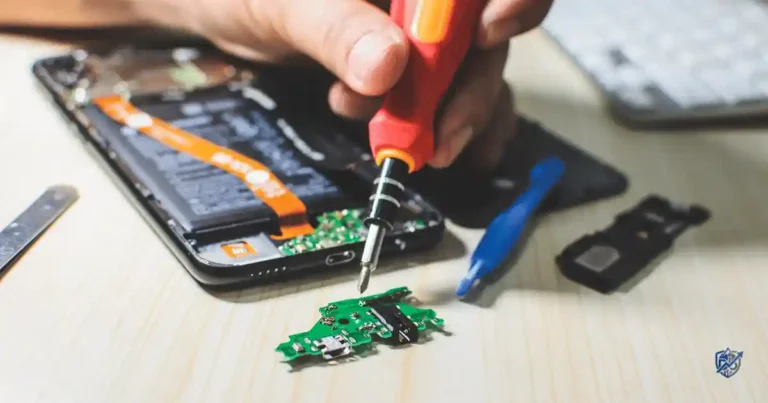
Hardware repair technicians report that phones frequently exposed to high heat inside hot cars or under heavy gaming loads show significantly faster capacity loss than phones charged under moderate room temperatures. Using certified power cables and keeping devices cool provides the most reliable protection against early battery degradation.
Add real-world repair-shop context
A customer brings a two-year-old phone into a repair shop complaining that the battery dies by afternoon. Diagnostic software reveals the battery maximum capacity has dropped to seventy-two percent. The owner regularly played high-graphics mobile games while plugged into a fast charger and left the phone mounted on a sunny car dashboard daily. The repair technician explains that repeated heat exposure accelerated chemical wear, making a physical battery replacement necessary to restore full runtime.
Battery Health by Everyday Smartphone Habit
Understanding how routine daily habits affect your phone battery helps you make smart choices without overthinking every charge session.
| Everyday Habit | Likely Impact | Better Approach |
| Charging on a cool wooden desk | Low risk | Continue daily routine |
| Resting phone under bed pillows | High heat risk | Move to open surface |
| Gaming while fast charging | High heat risk | Unplug while playing |
| Charging between 20% and 80% | Low stress | Excellent daily habit |
| Charging to 100% for travel | Low stress | Use when extra runtime is needed |
| Leaving phone inside hot car | High heat risk | Take device with you |
| Using certified fast chargers | Low risk | Monitor thermal conditions |
| Using frayed charging cables | Safety risk | Replace damaged cables immediately |
| Overnight charging with smart software | Low risk | Keep smart charging enabled |
| Draining battery down to 0% | Moderate stress | Plug in at low battery warning |
How to Know If Your Battery Is Already Damaged
Recognizing the difference between natural battery ageing and physical cell failure helps you take appropriate action.
Normal signs of battery ageing
- Total daily runtime feels shorter than when the device was new.
- You need to top off your phone charge earlier in the evening.
- Maximum capacity readout inside settings displays between seventy and eighty percent.
- System software suggests enabling power management features.
Warning signs
- The phone shuts down suddenly while displaying twenty percent charge remaining.
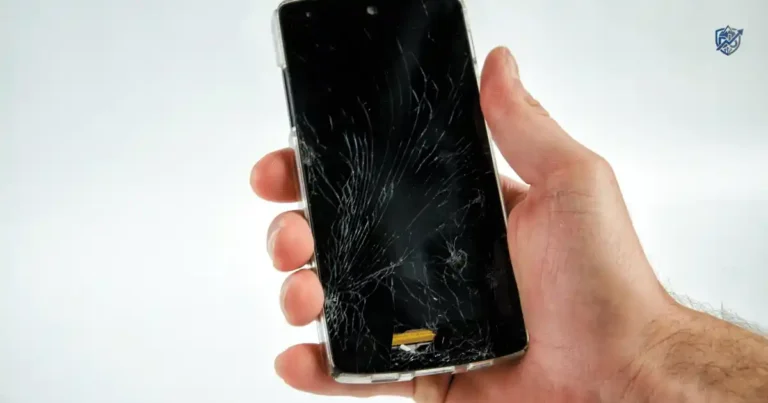
- The back glass bulges outward or the display panel lifts away from the frame.
- The device grows extremely hot during light tasks like reading text.
- The battery percentage fluctuates wildly within minutes of unplugging.
When to replace the battery
Consider replacing the battery if maximum capacity drops below eighty percent, daily runtime no longer meets your needs, and the phone hardware otherwise functions well and receives ongoing security updates.
When to replace the entire phone
Replacing the entire device makes sense if the phone no longer receives operating system security updates, processor performance feels sluggish across basic apps, or repair costs approach the value of a replacement phone.
Common Smartphone Battery Myths You Should Ignore
Clearing up persistent battery misconceptions helps you focus on practices that truly protect your device.
Myth: You must drain your battery completely before charging
Modern lithium-ion batteries do not suffer from memory effects like older nickel-cadmium cells. Deep discharges down to zero percent add stress to lithium cells.
Myth: Charging overnight always ruins your battery
Integrated power management circuits prevent modern phones from overcharging. Smart software holds charge levels safely until you wake up.
Myth: Fast charging always destroys batteries
Fast charging operates safely within controlled thermal limits. Excess heat from poor ventilation or hot environments causes damage, not fast charging technology itself.
Myth: You must stop charging at exactly 80%
While capping charge at eighty percent reduces long-term chemical stress, charging to one hundred percent when you need full runtime is safe and practical.
Myth: Every cheap charger is dangerous
Price alone does not dictate quality, but uncertified chargers lacking safety compliance marks pose genuine electrical risks.
Myth: Closing every background app saves lots of battery
Force-closing apps you use regularly causes the processor to consume extra energy reloading app data from scratch when reopened.
10-Minute Smartphone Battery Health Checklist
Complete this quick checklist today to review your phone’s battery condition and charging habits.
Check your phone
- Open settings to check your current battery health percentage.
- Review the battery usage menu to identify power-hungry apps.
- Feel the back glass while charging to check for excess heat.
- Test whether your phone supports fast charging features.
- Inspect your charging cable insulation for cracks or fraying.
See your charging habits
- Keep your phone off warm car dashboards and direct sunlight.
- Charge on hard, flat surfaces instead of plush bedding.
- Unplug your phone while playing demanding 3D games.
- Verify that your wall chargers carry official safety certifications.
- Ensure smart charging features are toggled on in settings.
Check for warning signs
- Inspect the phone frame for any glass lifting or body swelling.
- Check if the device shuts down unexpectedly above zero percent.
- Note whether the phone grows hot during simple voice calls.
- Watch for rapid, unexplainable battery percentage drops.
Frequently Asked Questions About Smartphone Battery Mistakes
What damages a smartphone battery the most?
Excessive heat exposure damages lithium-ion batteries faster than any other factor. Direct sunlight, hot car interiors, and heavy processing while charging degrade cell chemistry quickly.
Does charging your phone overnight damage the battery?
No, modern phones manage overnight power delivery safely using built-in charge controllers. Enabling features like Optimised Battery Charging further protects battery health.
Is fast charging bad for battery health?
Fast charging is safe when managed by built-in protection circuits. Ensure your phone remains well-ventilated during fast charging to prevent heat buildup.
Is it bad to charge your phone to 100%?
Charging to full capacity occasionally is safe. However, holding a phone at maximum charge voltage constantly in hot environments can accelerate chemical ageing over time.
Is it better to charge your phone at 20% or 30%?
Plugging in your phone around twenty or thirty percent prevents deep discharges that stress battery chemistry. Partial charge cycles work well for lithium-ion power cells.
Should I let my phone battery die completely?
No, letting your phone die completely adds unnecessary physical stress to internal cell chemistry. Plug in your charger when low battery warnings appear.
Can heat permanently damage a phone battery?
Yes, extreme heat breaks down internal liquid electrolytes and permanently reduces the maximum energy capacity of lithium-ion cells.
How can I make my smartphone battery last longer?
Keep your phone cool, use certified power accessories, turn on smart charging features in settings, and avoid frequent deep discharges below twenty percent.
When should I replace my smartphone battery?
Replace your battery when maximum capacity drops below eighty percent, runtime fails to cover your daily needs, or if the cell shows physical swelling.
The Simple Daily Routine for Better Battery Health
Adopting a practical charging routine preserves battery performance while keeping your handset ready for daily use.
Every day
- Keep your phone out of direct sunlight and hot car seats.
- Plug in your charger when power drops to twenty percent.
- Use certified power adapters from reputable brands.
Use Every night
- Charge your phone on an open nightstand or hard desk surface.
- Enable Optimised Battery Charging or Adaptive Charging.
- Keep your charging setup clear of soft blankets or bed pillows.
Every few months
- Review your battery health percentage inside settings.
- Inspect charging cables for physical wear or bent tips.
- Remove unused background apps that consume background energy.
When something feels wrong
If your phone grows uncomfortably hot during light tasks or shows physical body swelling, stop charging immediately and seek professional repair help from a certified service provider.
The main rule to remember
Avoid obsessing over exact charging percentages throughout the day. Focus on keeping your smartphone cool, using trusted power accessories, and letting built-in software manage power delivery safely.
Final Recommendation
Avoiding common smartphone mistakes that damage battery life over time comes down to managing heat and avoiding deep discharges. Based on years of hands-on experience with mobile hardware, I recommend enabling built-in smart charging features, using certified power accessories, and keeping your device away from hot environments like sunny car dashboards.
Charging on hard, open surfaces and topping off your battery before it hits zero percent will keep your phone running reliably for years. Focus on sensible temperature management rather than rigid charging rules to enjoy excellent battery health.

Ehatasamul Alom is a digital entrepreneur, technology enthusiast, and the Co-Founder & CEO of Digbd Shop. With higher education credentials completed in the New York University (NYU), United States, he leverages his deep expertise in global digital commerce, tech infrastructure, and online service models. Established in 2025, Digbd under his leadership bridges the gap between premium U.S. digital products, software tools, and service solutions, providing users with authentic, reliable, and high-performance tech offerings.