How to Convert a QuickBooks Desktop File to QuickBooks Online
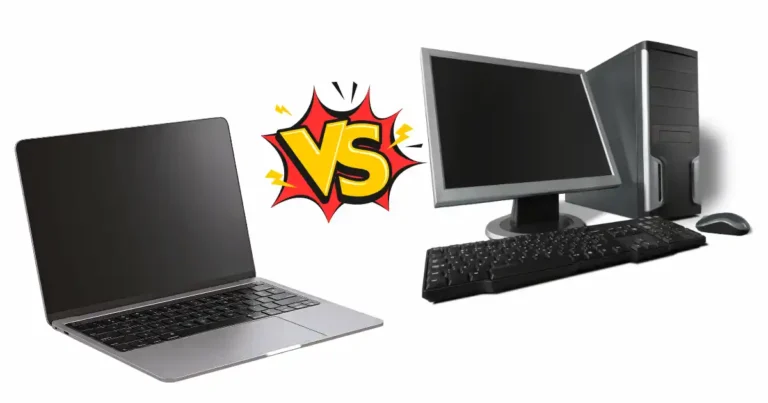
Running a small firm in Manchester often means dealing with unexpected tasks on a rainy Monday morning. I remember sitting at an old office desk, staring at our accounts locked on a single desktop PC. Our bookkeeper needed access from home, and our accountant wanted real-time figures. Learning how to convert a quickbooks desktop file to quickbooks online transformed how we managed our daily cash flow. The move is a full data migration rather than a simple file upload. For UK business owners, this step is vital because Intuit ended UK Desktop support on 30 June 2023.
Can You Convert a QuickBooks Desktop File to QuickBooks Online?
Moving your company data from a local computer to the cloud is straightforward when you follow the correct path. QuickBooks offers built-in tools to help you convert a quickbooks desktop file to quickbooks online without losing your core accounting history. The exact route depends on your current software edition, file size, and regional settings.
Quick answer for UK QuickBooks users
UK business owners can complete the move by following a clear, structured path. You start by preparing your old ledger and running a full system backup. Next, you set up your new online account in the same region. You then run the automated conversion tool and review your figures against your old reports.
Is a .QBW file compatible with QuickBooks Online?
A live desktop file uses the .QBW file format, which stays on your local hard drive. You cannot drag and drop a .QBW file directly into a web browser. The system uses a specialized tool to convert a quickbooks desktop file to quickbooks online data formats.
Can you migrate a .QBB backup file?
A .QBB file is a compressed backup copy of your financial records. You cannot convert a backup file directly into the cloud platform. You must restore the .QBB file inside the desktop program first to create a active working file before starting the transfer.
.QBW vs .QBB vs .QBX
Knowing your file extensions prevents simple mistakes during the process.
- .QBW: Your primary, working company file containing all daily transactions.
- .QBB: A compressed safety backup made for secure off-site storage.
- .QBX: An accountant’s review file used to share data with your advisor.
QuickBooks Desktop to Online Migration at a Glance
Reviewing the main stages helps you plan your work before changing any settings. The table below outlines the core steps needed to convert a quickbooks desktop file to quickbooks online safely.
| Stage | What you do | Main purpose |
| 1 | Check your Desktop version | Confirm migration route |
| 2 | Back up the company file | Protect original data |
| 3 | Clean the books | Reduce conversion problems |
| 4 | Set up QuickBooks Online | Create the destination |
| 5 | Run the migration | Transfer the data |
| 6 | Review converted books | Find differences |
| 7 | Reconnect services | Restore online workflows |
| 8 | Keep Desktop backup | Preserve historical records |
Official guidance recommends checking your trial balance and profit and loss figures before starting. Keeping hard copies of these reports ensures your ending balances match your new opening figures precisely.
Before You Convert QuickBooks Desktop to Online
Taking time to prepare your files prevents frustrating errors later in the week. A clean set of books ensures that your opening balances transfer smoothly into the cloud.
Check which QuickBooks Desktop version you have
Your current software version dictates the exact steps you must take to convert a quickbooks desktop file to quickbooks online.
- QuickBooks Desktop Pro: Supports direct transfer using the internal migration utility.
- QuickBooks Desktop Premier: Uses standard migration workflows for core accounting lists.
- QuickBooks Desktop Accountant: Allows professional advisors to convert client files efficiently.
- Older UK Desktop versions: May require a step-upgrade before the online tool can read the data.
- Regional compatibility: Ensures UK tax settings align with local cloud requirements.
- Company file version: Dictates whether your file size fits standard automated tools.
Confirm your QuickBooks Online region
Your new cloud subscription must match the country setting of your original software. A UK desktop file must move to a UK online account to handle local tax rules correctly.
Make a fresh backup
Always create a complete system backup before starting any data conversion. Storing a clean copy on an external drive gives you complete peace of mind.
- Save the original working file to a secure folder on your main computer.
- Keep a fresh backup copy on a separate USB drive or cloud storage.
- Store a second copy securely off-site for maximum safety.
- Record the exact backup date and time on your preparation checklist.
- Do not overwrite the original file during the conversion process.
Make sure you have administrator access
You must log in as the primary administrator on both systems. Full administrative rights allow the software to read historical records and create new cloud accounts without security blocks.
Clean Your QuickBooks Desktop File Before Migration
Removing old clutter makes the transfer process faster and less prone to mapping errors. Cleaning your lists ensures that only useful business information moves to your new platform.
Close or finalise open quotes and estimates
Old, unaccepted quotes can convert into active sales entries if left open. Review your sales pipeline and mark expired quotes as closed before moving forward.
Review purchase orders
Check your outstanding purchase orders for old stock items. Cancel outdated orders so they do not create phantom commitments in your new books.
Review unbilled activity
Bill your clients for outstanding time and costs before starting the move. Clearing unbilled charges keeps your customer balances accurate and up to date.
Clean the Chart of Accounts
Hide or delete unused accounts from your primary list. A concise ledger makes daily bookkeeping much easier for your team.
Review customers and suppliers
Merge duplicate contacts and update outdated mailing addresses. Clean contact lists ensure your invoices reach the right inbox after you convert a quickbooks desktop file to quickbooks online.
Check outstanding invoices and bills
Resolve negative balances and unapplied credits on sales ledgers. Correcting these entries ensures your customer statements remain clear and professional.
Review payroll data
UK payroll records require extra attention during any system change. Historical payroll figures may not move transaction-by-transaction, so keep detailed offline copies for your year-end tax returns.
Run Reports Before Converting Your QuickBooks File
Running core accounting reports provides a clear baseline for your financial health. Comparing these figures after the move confirms that your ledger transferred without errors.
Run a Trial Balance
Print a full trial balance as of your chosen cut-off date. This report acts as your primary reference point during post-migration checks.
Save the Balance Sheet
Export your balance sheet to a spreadsheet for easy comparison. Check your asset and liability figures carefully after completing the move.
Save the Profit and Loss report
Run a profit and loss statement for the current financial year to date. Keeping a digital copy allows you to verify revenue totals in your new dashboard.
Save Accounts Receivable and Accounts Payable reports
Detailed aging reports show exactly who owes you money and which suppliers you need to pay. These lists help verify individual customer balances after the conversion.
Save the General Ledger
Exporting your complete general ledger provides a line-by-line audit trail. While optional, having this file saved locally helps answer detailed historical queries later.
Use the same dates in both systems
Always compare reports using identical date ranges across both platforms. Matching your reporting periods avoids false alarms caused by mid-month timing differences.
What Data Moves from QuickBooks Desktop to Online?
Most of your daily business information transfers automatically during the conversion process. Knowing what moves helps you transition your workflows without missing a beat.
Lists that can move
Core master lists transfer across to build your new company framework.
- Chart of Accounts
- Customers
- Jobs
- Suppliers
- Items
- Terms
- Recurring transactions
- Inactive records
- Employees, where supported
Transactions that can move
Your historical bookkeeping entries form the backbone of your converted ledger.
- Invoices
- Bills
- Bill payments
- Bill credits
- Credit card charges
- Estimates
- Finance charges
- Journal entries
- Purchase orders
- Customer and supplier transactions
Banking and reconciliation data
Your cleared transactions and past bank reconciliations transfer across to maintain accurate account balances. However, live bank feeds must be reconnected manually for security reasons.
Attachments and documents
Saved receipts and PDF documents attached to transactions will transfer, provided individual files remain under the standard 30MB size limit.
What Does Not Move Perfectly to QuickBooks Online?
Certain desktop features work differently in a cloud environment. Understanding these differences prevents surprises once you start using your new software.
Bank feed setup
Live bank connections do not copy over automatically. You must link your online bank accounts to enable real-time feed updates.
Budgets
Historical budget setups do not transfer due to structural differences between the platforms. Rebuild your annual targets directly within the online budgeting tool.
Price levels
Custom price levels created for specific customer groups will not migrate. You can recreate these using price rules within the online interface.
Mileage tracking
Recorded vehicle trip logs do not convert automatically. Export your historical mileage summaries to a spreadsheet for your permanent tax records.
Memorised and scheduled transactions
Saved desktop templates convert into recurring transactions, but you should review their schedules and triggers to ensure they run on time.
Reports
Customized desktop reports do not copy over directly. You can quickly recreate your favorite financial views using the online report builder.
VAT and tax records
UK tax settings require careful review following any migration. Historical VAT payments and closed return details may display differently in the new tax center.
QuickBooks Desktop vs QuickBooks Online Data Conversion
Comparing how specific data types shift helps set realistic expectations for your team. The table below outlines common changes seen after you convert a quickbooks desktop file to quickbooks online.
| Desktop data | Online result | What to check |
| Chart of Accounts | Moves | Account types |
| Customers & jobs | Converts | Projects/sub-customers |
| Suppliers | Moves | Addresses and terms |
| Memorised transactions | Recurring transactions | Future dates |
| Bank feeds | Not copied as setup | Reconnect accounts |
| Budgets | Do not recreate | Rebuild if needed |
| Mileage | Does not move | Add historical data manually |
| VAT | Partial conversion | Review VAT records |
| Reconciliations | History changes | Check balances |
| Audit Trail | Does not move as equivalent report | Retain Desktop records |
Official technical notes highlight that feature availability varies by subscription tier. Review the latest platform specifications to select the right online plan for your operational needs.
How to Convert a QuickBooks Desktop File to QuickBooks Online Step by Step
Following a clear, step-by-step process ensures a smooth move to the cloud. Work through these steps in order to avoid missing critical data checks.
Step 1 — Sign up for QuickBooks Online
Select the appropriate online plan for your business needs before starting the data upload.
- Choose the correct UK product tier to support your required features.
- Use the correct Intuit account credentials to maintain master access.
- Check the company details to ensure your legal business name is accurate.
- Confirm the country/region matches your original desktop file location.
Step 2 — Open the correct QuickBooks Desktop company file
Launch your desktop software as an administrator and open the specific file you plan to move.
Step 3 — Create and verify your backup
Run a local system backup and confirm that the resulting file is saved safely on your hard drive.
Step 4 — Prepare the Desktop data
Complete your list cleaning, resolve open entries, and export your baseline accounting reports.
Step 5 — Start the migration process
Navigate to the export menu within your desktop application to launch the guided conversion wizard.
Step 6 — Sign in to QuickBooks Online
Enter your cloud login credentials when prompted by the migration wizard to link your accounts.
Step 7 — Select the destination company
Choose the exact online account where you want to import your historical data.
Never migrate into the wrong existing company
Overwriting an active online company file replaces all existing data permanently. Double-check the company name before confirming the transfer.
Step 8 — Start the data transfer
Click the confirmation button to begin uploading your accounting records to the cloud servers.
Step 9 — Wait for the migration to finish
Keep your computer connected to the internet while the data uploads. You will receive an email confirmation once processing is complete.
Step 10 — Sign in and review QuickBooks Online
Log into your new cloud account and check your opening figures against your printed desktop reports.
How to Convert QuickBooks Desktop Without QuickBooks Desktop Installed
You can still migrate your data if your old software is no longer installed on your office PC. Specialized online tools allow accountants and business owners to upload files securely through a web portal.
When the online migration tool may help
Using an online conversion service is ideal if you switched computers or no longer hold an active desktop software subscription.
What you should have ready
Gather all essential file information before starting the web-based upload process.
- Valid Desktop company file (.QBW format)
- QuickBooks Online account details
- Admin access credentials
- Fresh data backup
- Registered company information
- Key financial reports exported to PDF
When to ask an accountant or QuickBooks specialist for help
Reach out to a certified professional if your file contains complex multi-currency entries or severe file integrity errors. Specialist support saves time and ensures your figures remain fully compliant.
What Happens to Customers, Jobs and Projects?
Understanding how customer hierarchies shift keeps your job costing accurate. The platform converts historical job structures into modern cloud equivalents during the move.
QuickBooks Desktop Jobs
Desktop files organize client work using a simple sub-job hierarchy linked directly to customer names.
Projects in QuickBooks Online
Cloud platforms use dedicated project hubs to track income, material costs, and labor time in one place.
Sub-customers
Jobs can also migrate as sub-customers if you prefer keeping traditional billing structures intact.
Why plan selection matters before migration
Choosing an online plan that supports advanced project tracking ensures your detailed job histories remain organized and accessible.
How VAT Works After Moving QuickBooks Desktop to Online
Managing UK tax compliance requires extra vigilance during any software change. Reviewing your tax settings immediately after conversion keeps your business Making Tax Digital (MTD) compliant.
Check the VAT centre
Open the tax dashboard in your new cloud account to confirm that your VAT registration number and scheme details transferred correctly.
Compare VAT reports with Desktop
Run a VAT summary report for your last filed period and compare it against your printed desktop copy.
Understand VAT payment migration limitations
Historical tax payments can occasionally map incorrectly during file updates. You may need to adjust or re-enter historical tax payments within the new tax center to ensure future returns calculate accurately.
Check Making Tax Digital workflows
Reconnect your digital tax link to HMRC within your new cloud platform before submitting your next return.
When to involve an accountant
Consult your accountant if you use partial exemption rules or complex flat-rate schemes. Professional advice ensures your tax filings remain fully compliant with local regulations.
How to Check Your QuickBooks Online Data After Migration
Checking your new cloud ledger confirms that your business records are ready for daily use. Comparing your reports line by line ensures complete accuracy across all accounts.
Compare the Balance Sheet
Verify that your total assets, liabilities, and equity balances match your printed pre-migration report exactly.
Compare Profit and Loss
Check your year-to-date sales and expense totals against your historical desktop figures.
Check Accounts Receivable
Confirm that all outstanding customer invoices and balance totals mirror your old sales ledger.
Check Accounts Payable
Review your unpaid supplier bills to ensure no outstanding payments were missed during the transfer.
Check the Chart of Accounts
Scan your account list to ensure that account numbers, names, and sub-accounts converted cleanly.
Check customers and suppliers
Open several contact records to verify that telephone numbers, email addresses, and payment terms moved correctly.
Check invoices and bills
Spot-check individual sales invoices to confirm that line-item descriptions, VAT rates, and total amounts are accurate.
Check bank accounts
Verify your ending bank register balances and set up your automated bank feeds to streamline future reconciliations.
Check VAT
Review your current tax period balances before filing your next quarterly return with HMRC.
Use a before-and-after migration checklist
Work through a structured list to verify every section of your ledger systematically.
- Balance Sheet
- Profit and Loss
- Trial Balance
- Debtors
- Creditors
- Bank balances
- VAT
- Payroll
- Stock
- Customers
- Suppliers
- Recurring transactions
Common QuickBooks Desktop to Online Migration Problems
Addressing simple setup issues quickly keeps your migration on track. Understanding common fixes saves valuable time during the transition.
The company file will not migrate
Large file sizes or minor data damage can stop the conversion process. Run the built-in file repair tool on your desktop PC before trying again.
Data is missing after migration
Check whether the missing items belong to unsupported feature lists like custom price levels or mileage logs.
Bank feeds are missing
Live bank connections must be reconnected manually after the move for security and data protection reasons.
VAT figures look wrong
Review your historical tax settings in the tax center and update any unmapped transaction codes manually.
Customers or jobs look different
Check whether your old desktop jobs converted as sub-customers or projects based on your cloud plan settings.
Reconciliation history looks different
While past cleared transactions move across, historical reconciliation summary reports must be viewed from your saved desktop backups.
A report is missing
Rebuild customized management views using the flexible online reporting tool.
When not to keep trying random fixes
Stop making changes if core financial balances do not align after multiple attempts. Professional accounting support can resolve underlying file errors quickly.
QuickBooks Desktop to QuickBooks Online Migration Tools
Using official migration channels ensures your company information remains safe and secure. Selecting the right tool depends on your current software setup.
QuickBooks Desktop migration tool
The built-in export menu within the desktop program offers the most direct path for current users.
QuickBooks Online migration tool
A web-based conversion portal allows users without installed desktop software to upload company files securely.
Movemybooks
Intuit partners with specialized data conversion services like Movemybooks to offer guided self-service migrations for UK small businesses.
Accountant-assisted migration
Hiring a certified bookkeeper or accountant provides a hands-off experience with full data verification included.
QuickBooks Desktop vs QuickBooks Online for UK Businesses
Moving to cloud-based accounting changes how you manage daily business tasks. Understanding these changes helps your team adapt quickly.
Desktop accounting
Local software relies on office-bound hardware, manual data backups, and periodic version updates.
Online accounting
Cloud platforms offer anywhere access, real-time bank feeds, automatic data backups, and seamless collaboration with your accountant.
What UK businesses gain from moving online
Switching to a modern cloud platform brings significant daily operational benefits.
- Remote access from any web browser or mobile device.
- Direct access for your external accountant or bookkeeper.
- Automated cloud data backups for peace of mind.
- Seamless, continuous software updates without manual installs.
- Automated bank feeds that reduce manual data entry.
- Faster customer payments using online invoice links.
- Mobile app access for capturing receipts on the go.
What may feel different after migration
Navigation menus, reporting layouts, and entry screens will feel different initially, but most users adapt within a few days.
QuickBooks Desktop to Online Feature Comparison
Reviewing structural differences helps you prepare for your new daily routine. The table below compares key features across both platforms.
| Area | QuickBooks Desktop | QuickBooks Online |
| File storage | Local Desktop company file | Cloud-based company |
| Access | Desktop software | Web and supported apps |
| Bank feeds | Desktop setup | Separate Online setup |
| Reports | Desktop report set | Online report set |
| Jobs | Desktop job structure | Customers, sub-customers or projects |
| Updates | Desktop updates | Online service updates |
| Collaboration | More local workflow | Built for shared access |
| VAT | Desktop VAT workflow | Online VAT centre |
Plan features vary by subscription tier, so check current service limits to select the best option for your business.
Real-Life UK Example of a QuickBooks Migration
Consider a trade services business in Manchester moving its books from an office PC to the cloud.
Monday morning — preparing the file
The owner runs a system backup, cleans up old customer contacts, and exports the trial balance to a spreadsheet.
Tuesday — moving the company
Using the integrated migration wizard, the owner uploads the company file to the cloud portal in under an hour.
Wednesday — checking the numbers
The owner compares the new cloud balance sheet against the saved desktop report to confirm that every balance matches.
The small surprise
The dashboard looks modern and clear, though locating specific customized reports takes a few minutes of practice.
What this example teaches
Thorough preparation and careful report checks make any data conversion smooth and stress-free.
Worldwide Expert Advice on Moving Accounting Data to the Cloud
Following guidance from industry experts ensures a safe transition to cloud accounting.
Intuit’s migration guidance
Official instructions emphasize cleaning legacy files, resolving open transactions, and verifying opening balances immediately after conversion.
UK accounting and compliance perspective
Financial advisors stress double-checking MTD VAT setups and keeping offline backups of historical payroll data for complete legal compliance.
Expert quote rule
Always verify technical instructions against official platform documentation before making major changes to your accounting software.
Mistakes to Avoid When Converting QuickBooks Desktop to Online
Avoiding common pitfalls saves time and protects the integrity of your business records.
Migrating without a backup
Never start a file migration without creating an untouched safety backup copy first.
Choosing the wrong Online company
Importing data into the wrong online account can overwrite existing business records permanently.
Skipping pre-migration reports
Failing to save baseline financial reports leaves you without a reference point for verification checks.
Assuming every Desktop feature moves
Review feature comparison lists early so you can plan workarounds for unsupported features like custom price levels.
Forgetting VAT checks
Always verify your VAT registration details and tax codes before filing returns on your new platform.
Assuming bank feeds transfer
Remember to link your business bank accounts manually after completing the data transfer.
Immediately closing the Desktop system
Retain your original desktop software and local backup files for future reference and compliance audits.
Changing figures before comparing them
Investigate report discrepancies thoroughly before manually adjusting opening balances in your new ledger.
QuickBooks Desktop to Online Migration Checklist
Use this practical checklist to guide your migration process from start to finish.
Before migration
- Confirm Desktop version
- Confirm UK/region compatibility
- Create backup
- Clean customers and suppliers
- Review Chart of Accounts
- Close old quotes
- Review purchase orders
- Review unbilled activity
- Run Trial Balance
- Run Balance Sheet
- Run Profit and Loss
- Save A/R report
- Save A/P report
- Review VAT
- Review payroll
During migration
- Sign in to the correct Intuit account
- Choose the correct Online company
- Confirm company name
- Start the supported migration process
- Do not interrupt the transfer unnecessarily
- Record any warnings or errors
After migration
- Compare Balance Sheet
- Compare Profit and Loss
- Check Trial Balance
- Check customers
- Check suppliers
- Check invoices
- Check bills
- Check bank balances
- Reconnect bank feeds
- Check VAT
- Check payroll
- Check recurring transactions
- Keep Desktop backup securely
Frequently Asked Questions About Converting QuickBooks Desktop to Online
Can I convert my QuickBooks Desktop file to QuickBooks Online?
Yes, built-in conversion tools allow you to migrate your desktop company file directly into a cloud account.
Can I upload a QuickBooks .QBW file directly to QuickBooks Online?
No, you must use the official migration tool within the software or an approved web portal to convert the file structure.
Can I convert QuickBooks Desktop to Online without Desktop installed?
Yes, online migration portals allow you to upload your .QBW file securely without needing the desktop program installed.
Will all my QuickBooks Desktop data transfer?
Most core lists and transactions move across, but certain features like custom budgets and mileage logs must be set up manually.
Will my QuickBooks Desktop VAT records transfer?
Your core tax balances move, but you should review your VAT settings and past payment mappings in the new tax center.
Will my QuickBooks Desktop bank feeds transfer?
No, live bank connections must be re-established manually after completing the file conversion.
Will my QuickBooks Desktop reports transfer?
Standard transaction data moves, but custom report layouts must be recreated in the online reporting module.
Can I keep using QuickBooks Desktop after migration?
You can keep your old software for historical reference, but ongoing entry should move entirely to your new cloud account.
Is QuickBooks Online better than QuickBooks Desktop?
Cloud accounting offers real-time access, automatic backups, and flexible mobile workflows that suit modern business needs.
How long does QuickBooks Desktop to Online migration take?
Most file uploads complete within an hour, though larger files with extensive transaction histories can take longer.
Should I use an accountant to convert QuickBooks Desktop to Online?
Using an accountant is ideal if your business manages complex inventory, multi-currency accounts, or detailed payroll records.
Final Recommendation
Switching your business to cloud accounting is one of the best decisions you can make for your daily operations. Learning how to convert a quickbooks desktop file to quickbooks online gives you freedom from office-bound PCs and keeps your financial records secure. Take time to clean your data, export your baseline reports, and check your figures carefully after the move. Moving your accounts to the cloud prepares your business for a efficient, connected future.

Ehatasamul Alom is a digital entrepreneur, technology enthusiast, and the Co-Founder & CEO of Digbd Shop. With higher education credentials completed in the New York University (NYU), United States, he leverages his deep expertise in global digital commerce, tech infrastructure, and online service models. Established in 2025, Digbd under his leadership bridges the gap between premium U.S. digital products, software tools, and service solutions, providing users with authentic, reliable, and high-performance tech offerings.