Laptop Charging Problems and Basic Fixes Explained
Sitting at a desk in New York with a low battery icon can instantly raise your stress levels. Your laptop shows plugged in, yet the battery percentage refuses to go up. Is the power adapter broken, or is the internal battery dead? Understanding laptop charging problems and basic fixes helps you solve power issues quickly before paying for unnecessary repair services.
Why Is My Laptop Not Charging?
A computer that refuses to charge usually points to one of a few common areas. Working through symptoms step by step helps you pinpoint the issue fast.
Common Signs of a Laptop Charging Problem
You might notice these warning signs during daily use:
- Laptop says plugged in, not charging
- Battery percentage stays at the same level
- Battery drains while plugged in
- Laptop charges very slowly
- Laptop only charges when switched off
- Charger works only at certain angles
- Charging light does not turn on
- Laptop turns off when the charger is removed
- Battery reaches 80% but will not go higher
- Laptop does not recognise the charger
- Charger gets unusually hot
- Charging starts and stops repeatedly
The Most Common Causes
Power flow issues stem from hardware, software, or environmental factors:
- Faulty AC adapter
- Damaged charging cable
- Loose charging connector
- Dirty charging port
- Worn-out battery
- Incorrect or incompatible charger
- USB-C Power Delivery limitations
- Outdated battery or power drivers
- BIOS or firmware issues
- Overheating
- Power outlet problems
- Battery protection settings
- Internal hardware failure
The First Question to Ask: Is the Laptop Getting Power?
Check the Charging Indicator
Look for a small LED light near the charging port or power button. A solid white or amber light shows electricity reaches the board. A blinking light signals a power delivery error or weak connection.
Check the Battery Icon
Hover your cursor over the battery icon in the taskbar or menu bar. Read the exact status message. Text like plugged in, not charging points to software limits or high heat rather than a cut wire.
Check Whether the Laptop Runs Without the Charger
Shut down your laptop, unplug the power brick, and turn it back on using battery power alone. If it boots up, your battery holds some energy. If it shuts down instantly upon unplugging, the battery or internal connection failed.
Check Whether the Charger Feels Warm
Touch the power brick after a few minutes of use. A working adapter feels slightly warm as it transforms wall power into laptop voltage. A ice-cold brick suggests zero power transfer, while a burning hot brick signals an overload.
10 Quick Checks Before You Try a Bigger Fix
Try these rapid tests first before changing major settings or buying new hardware.
1. Try a Different Wall Outlet
Test another wall socket in a different room. Avoid loose extension cords or surge protectors that might have tripped. Connect the charger directly into a known working wall outlet.
2. Restart the Laptop
Save your open work. Shut down the laptop completely through the operating system. Wait ten seconds, turn it back on, and check the charging icon again.
3. Unplug and Reconnect Everything
Disconnect the power cord from the wall and the laptop. Separate the two-piece AC adapter cord if applicable. Reconnect all cable joints firmly to ensure complete contact.
4. Inspect the Charger and Cable
Examine the entire length of your charging cord. Look for frayed wires, cracks, bent pins, melted plastic, or dark burn marks along the cable body.
5. Check the Charging Port
Inspect the laptop power jack using a flashlight. Look for packed lint, dust buildup, or loose internal pins inside the port opening.
6. Remove Unnecessary USB Devices
Unplug external hard drives, USB hubs, phone chargers, RGB mousepads, and extra displays. Extra accessories draw power away from the system while charging.
7. Let an Overheated Laptop Cool Down
Shut down the system and unplug the charger. Place the laptop on a flat surface in a cool room. Wait 15 to 30 minutes for temperatures to drop before trying again.
8. Test Charging While the Laptop Is Powered Off
Turn off the machine entirely and plug in the power cord. If the charging light turns on while off, your charger cannot output enough power to charge during active use.
9. Check the Battery Percentage
If your battery stays stuck at 80% or 90%, smart charging software might be active. This intentional feature protects lithium-ion cells from long-term wear.
10. Check the Charger Wattage
Check the tiny text printed on your power adapter. Ensure the output wattage matches or exceeds your laptop maker’s recommended power specs.
Laptop Says “Plugged In, Not Charging”
This common error message occurs when the operating system detects the AC power supply, but the battery control chip stops current flow.
Why This Happens
System software or health rules block charging under specific conditions:
- Battery conservation mode is active
- Battery is already near its charge limit
- Charger wattage is too low
- Battery temperature is too high
- Battery health has declined
- Power management software is limiting charging
- Windows or macOS has a temporary glitch
Check Battery Protection Settings
Windows Battery Charging Limits
Many laptop brands include power management apps like Lenovo Vantage, MyASUS, or Dell Power Manager. These tools feature Smart Charging or Conservation Mode options that stop charging at 80% to prolong battery health.
MacBook Optimised Battery Charging
MacBooks running modern macOS versions include Optimised Battery Charging settings. This feature learns your daily charging routines and delays charging past 80% until you need to unplug.
When “Not Charging” Is Actually Normal
Modern battery systems stop charging at full capacity or high temperatures to prevent internal cell damage. Someone working from home in Austin or Seattle might leave a laptop plugged in for eight straight hours and assume the battery is broken when it stays at 80%. In reality, the laptop is simply protecting its battery cells.
Check Whether the Charger Is the Real Problem
Sometimes the laptop works fine, while the power adapter quietly fails behind the scenes.
Inspect the AC Adapter
Check the power brick closely for physical damage. Listen for strange buzzing noises coming from inside the adapter. Smell the plastic for burning odours that indicate blown internal components.
Test the Charging Cable
If your laptop uses a detachable USB-C power cord, try another certified high-wattage cable. Gently flex the wire near the connector ends; if charging starts and stops, internal copper wires are broken.
Confirm the Charger Is Compatible
Verify that replacement chargers meet your laptop’s electrical needs:
- Voltage (V) must match the original adapter rating exactly.
- Amperage (A) must meet or exceed the original requirement.
- Wattage (W) must equal or exceed total system draw.
- Connector shape must fit cleanly without forcing.
- USB-C Power Delivery must support required power profiles.
Why Using the Wrong Charger Causes Problems
Underpowered adapters cause slow charging, complete charging pauses, or battery drain during heavy tasks. Weak chargers also run excessively hot, creating safety hazards over time.
USB-C Chargers Are Not Automatically Interchangeable
A USB-C phone charger might fit your laptop port, but its 15W output cannot power a 65W laptop system. Always check power output specs before plugging in.
Gaming Laptops Need More Power
High-performance gaming laptops require 180W to 330W of power. Plugging a slim 45W USB-C brick into a gaming rig will fail to power the system during active gaming.
Fix a Laptop That Charges Slowly
Slow power replenishment stems from power restrictions, high power draw, or heat build-up.
Common Reasons for Slow Charging
Charging slows down when system draw matches power input:
- Low-wattage charger
- Damaged cable
- Heavy CPU or GPU use
- Gaming while charging
- High temperatures
- Poor-quality USB-C charger
- Multiple devices sharing one USB-C hub
- Battery protection features
- Old battery
What to Try
To restore normal charging speeds, apply these practical steps:
- Use the original factory charger or a certified equal.
- Close demanding apps and high-resource browser tabs.
- Stop gaming or video editing while charging up.
- Move the laptop to a cooler room away from direct sunlight.
- Connect the charger directly to wall outlets rather than hubs.
- Replace worn USB-C power cables with 100W-rated options.
- Remove unused USB accessories from the machine.
Why Gaming Laptops Can Drain While Plugged In
A user playing a demanding game at a café in Texas might plug in their laptop and still watch the battery drop from 70% to 55%. High CPU and GPU energy demands can exceed what a compact power adapter delivers. When system demand exceeds adapter output, the laptop pulls remaining power directly from the battery.
Clean and Check the Laptop Charging Port Safely
A dirty or damaged charging port prevents clean electrical contact between the cable and motherboard.
Signs of a Dirty Charging Port
Look out for these clear physical indicators:
- Charger feels loose inside the socket
- Charging stops when moving the cord slightly
- Plug does not seat flush against the laptop frame
- Charging light toggles on and off randomly
How to Inspect the Port
Shut down your laptop completely and disconnect all cords. Hold a small flashlight close to the port opening. Look inside for compressed pocket lint, dirt specks, or bent metal pins.
How to Clean the Charging Port
Use Gentle, Non-Metal Tools
Use a clean wooden toothpick or plastic dental pick to gently sweep out packed dust. Work slowly around the edges without bending internal metal pins or scraping contacts.
Avoid These Dangerous Cleaning Methods
Never insert metal safety pins, needles, or paperclips into a power jack. Avoid spraying high-pressure compressed air directly into the port, which pushes dust deeper inside. Keep liquid cleaners away from power ports.
When the Port Needs Professional Repair
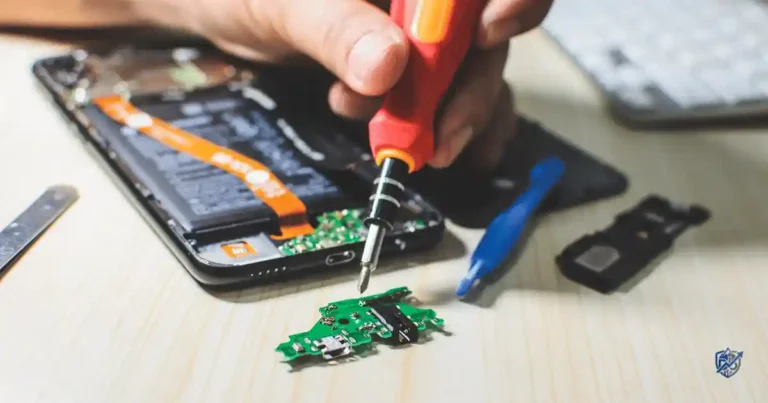
If the internal charging pin is loose, bent, or broken, cleaning will not help. Wiggling a loose port damages internal solder joints on the motherboard, requiring micro-soldering repair by a trained technician.
Fix Laptop Battery and Power Software Problems
Corrupted power drivers or OS glitches can trick your laptop into misreporting battery status.
Restart Power Management
Shut down your machine fully. Disconnect the power cable and hold down the power button for 30 seconds to drain residual system power. Reconnect the charger and power up.
Update the Operating System
Run pending Windows Update or macOS system updates. Operating system patches frequently resolve known battery management glitches and power controller errors.
Update Battery and Power Drivers
Windows Device Manager
Right-click the Start menu and select Device Manager. Expand the Batteries section. Right-click Microsoft ACPI-Compliant Control Method Battery and select Uninstall device. Restart your computer; Windows will reinstall the battery driver automatically upon reboot.
Manufacturer Support Software
Open official support tools like Lenovo Vantage, Dell Command Update, or HP Support Assistant. Run a system scan to download updated power management drivers designed for your model.
Check BIOS and Firmware Updates
Motherboard BIOS firmware controls low-level power delivery and charging circuits. Installing the latest BIOS update directly from your laptop manufacturer’s support site fixes USB-C charging errors and battery detection bugs.
What to Do When the Laptop Battery Is Worn Out
All rechargeable batteries degrade over time due to natural chemical wear.
Signs of a Failing Battery
Watch for these physical and performance warning signs:
- Battery lasts under an hour on a full charge
- Sudden unexpected shutdowns at 20% or 30%
- Battery percentage indicator jumps erratically
- Laptop will not turn on unless plugged into wall power
- Laptop base swells or trackpad pops out of place
How Battery Age Affects Charging
Lithium-ion cells degrade after 300 to 500 charge cycles. High heat exposure accelerates internal degradation, lowering the total energy cells can hold.
Check Battery Health
Windows Battery Report
Press the Windows Key + X, select Terminal or Command Prompt, and type powercfg /batteryreport. Open the generated HTML file to compare Design Capacity against Full Charge Capacity.
macOS Battery Health
Click the Apple menu, select System Settings, then click Battery. Review the Battery Health status, Maximum Capacity percentage, and Cycle Count listings.
When to Replace the Battery
Replace your battery when maximum capacity falls below 50% of its original rating, or when unexpected shutdowns disrupt daily work.
Never Ignore a Swollen Battery
If your laptop base warps or the trackpad lifts, the battery has swollen. Stop using and charging the machine immediately. Swollen batteries pose fire risks and require safe disposal by a certified technician.
Laptop Charges Only When Turned Off
A laptop that charges only when shut down struggles with power supply limits or heat issues.
Why This Happens
This issue occurs when system power demands equal or exceed adapter output:
- Charger lacks sufficient output wattage
- Laptop background apps draw excessive power
- Battery capacity is severely degraded
- AC adapter internal circuit is failing
- Power management software limits active charging
- Laptop is throttling due to high heat
Troubleshooting Steps
Follow these steps to restore active charging capability:
- Verify you are using the original high-wattage factory adapter.
- Unplug external USB accessories drawing power from the board.
- Close heavy background programs and browser tabs.
- Check battery health reports for severe capacity loss.
- Update motherboard BIOS firmware and power drivers.
USB-C Laptop Charging Problems Explained
Also, USB-C ports offer versatile connections, but differing power protocols create potential charging confusion.
USB-C Does Not Always Mean Charging
Not every USB-C port supports power input. USB-C ports vary by function:
- Data-only ports (transfer files only)
- Display-enabled ports (video output)
- Power Delivery ports (laptop charging)
What USB Power Delivery Means
Power Profiles
USB Power Delivery (USB-PD) negotiates specific voltage levels (such as 9V, 15V, or 20V) between adapter and laptop.
Wattage Requirements
Laptops require higher wattage profiles (typically 45W to 100W) compared to small smartphone chargers.
Compatible Chargers and Cables
Cables must feature integrated e-marker chips to safely handle high currents above 3 amperes (60W+).
Common USB-C Charging Mistakes
Avoid these common USB-C power errors:
- Using a low-wattage smartphone wall plug for a laptop.
- Purchasing cheap USB-C cables lacking Power Delivery certification.
- Plugging the charger into a data-only USB-C port.
- Expecting full charging speed through unpowered USB hubs.
How to Troubleshoot USB-C Charging
Check for a small lightning bolt or plug icon printed next to the USB-C port. Ensure your power adapter and cable carry official USB-PD certification matching your laptop’s required wattage.
Laptop Gets Hot While Charging
Energy transfer generates heat naturally, but excessive temperatures hurt performance and hardware lifespan.
Why Laptops Heat Up During Charging
Chemical reactions inside lithium-ion cells generate heat during charge cycles. Simultaneously running heavy CPU and GPU workloads increases total internal system heat.
When Heat Is Normal
A warm palm rest, a warm power adapter, and mild fan noise during fast-charging sessions are completely normal.
When Heat May Signal a Problem
Stop charging immediately if you notice:
- Burning plastic smells
- Power brick too hot to touch safely
- Sudden emergency thermal shutdowns
- Battery swelling or chassis distortion
- Charging cycle starting and stopping repeatedly
How to Reduce Charging Heat
Always place your laptop on a hard, flat desk to maintain clear airflow underneath cooling vents. Avoid charging on soft beds, blankets, or couches that block fan intakes. Keep intake vents clean of household dust.
Common Laptop Charging Problems and Basic Fixes
Quickly identify symptoms and practical solutions using this summary table.
The following quick reference matches common charging symptoms with their primary cause and recommended fix.
Table 1: Common Charging Problems Quick Reference
| Charging Problem | Likely Cause | Basic Fix |
| Plugged in, not charging | Charge threshold or smart setting active | Adjust battery care settings in management software |
| No charging light | Faulty outlet, adapter, or dead port | Test another wall socket and inspect charger cable |
| Charges slowly | Low-wattage adapter or heavy app use | Use high-wattage original adapter and close apps |
| Charges only when off | Power demand exceeds adapter output | Use higher wattage charger or update power drivers |
| Charger gets very hot | Overworked or failing power adapter | Unplug brick, let cool, or replace damaged unit |
| Cable must be held at angle | Damaged cable wire or loose port | Replace USB-C cable or repair loose power jack |
| Battery drains while plugged in | High CPU/GPU load exceeds input | Lower screen brightness and end demanding tasks |
| Battery percentage jumps | Degraded battery cells or miscalibration | Check battery health report and recalibrate |
| Laptop shuts off unplugged | Completely worn out battery | Replace internal battery pack with certified unit |
| USB-C will not charge | Incompatible port or weak charger | Connect charger to dedicated Power Delivery port |
Laptop Charging Problem Diagnosis by Symptom
Follow these targeted troubleshooting paths based on your laptop’s behavior.
If the Laptop Will Not Charge at All
- Test your wall outlet with a lamp or phone charger.
- Inspect the charger cable for bends, frays, or damage.
- Check the laptop charging port for packed lint or loose pins.
- Perform a hard system reset by holding the power button for 30 seconds.
- Check if the charging indicator light illuminates.
If the Laptop Charges Only Sometimes
- Gently wiggle the charging connector near the port to check for loose fits.
- Inspect the charging cable for internal wire breaks.
- Clean out dust inside the charging port using a wooden pick.
- Test a secondary certified power adapter.
The Battery Drains While Plugged In
- Verify charger wattage matches factory specifications.
- Close heavy background apps and demanding games.
- Lower display brightness settings.
- Test charging with the original high-wattage power adapter.
If Charging Stops at 80%
- Open manufacturer software like Lenovo Vantage or MyASUS.
- Turn off Conservation Mode or Battery Health Care limits.
- Check macOS Optimised Battery Charging settings.
If the Laptop Charges Very Slowly
- Swap out low-wattage phone chargers for laptop-rated adapters.
- Replace thin USB-C cables with 100W-rated Power Delivery cables.
- Let an overheated laptop cool down in a ventilated room.
Laptop Charging Problems That Need Professional Repair
Some complex power issues require professional diagnostic tools and solder repairs.
Seek Professional Help If
Take your machine to a repair center under these conditions:
- Charging port pin is snapped, bent, or visibly loose.
- Battery shows physical signs of swelling or bloating.
- You smell burning plastic or see sparks at the port.
- Laptop suffered liquid contact or water spills recently.
- Laptop turns off instantly despite a connected working charger.
Stop Using the Device Immediately If
Unplug your laptop and power down immediately if you observe smoke, burning smells, extreme port heat, or physical battery expansion.
What a Technician May Inspect
A professional technician opens the chassis to test internal board components:
- DC-in power jack solder connections
- USB-C controller chips and power delivery ICs
- Motherboard power rail fuses and MOSFETs
- Internal battery connector pins
- Power management integrated circuits (PMICs)
How to Prevent Future Laptop Charging Problems
Adopting healthy daily charging habits protects your battery and charger components over time.
Use the Correct Charger
Always use the manufacturer’s original charger or certified brand-name replacements that match required voltage, amperage, and wattage ratings.
Protect the Charging Cable
Avoid bending power cables sharply near connector ends. Wrap cords loosely when packing bags, and never pull your laptop by its power wire.
Keep the Laptop Cool
Maintain proper airflow around cooling vents. Clean out intake dust periodically and avoid resting laptops on soft blankets or plush cushions while charging.
Take Care of the Charging Port
Insert power cables straight into ports without forcing or wiggling. Unplug cords gently before packing your laptop into a backpack.
Use Battery Health Features
Enable smart charging features in Windows or macOS to limit max charge capacity to 80% if your laptop stays plugged into desk power daily.
Charger and Charging Problem Prevention Checklist
Incorporate these practical habits into your regular laptop maintenance routine.
The table below outlines simple preventive steps to extend the working life of your power components.
Table 2: Prevention Checklist and Maintenance Schedule
| Habit | How Often | Why It Helps |
| Inspect charger cable | Monthly | Identifies frayed insulation and broken wires early |
| Check charging port | Every few months | Removes packed lint before it causes loose connections |
| Clean laptop vents | Every few months | Prevents dust buildup that leads to high charging heat |
| Update power software | Regularly | Fixes OS power bugs and battery charging glitches |
| Check battery health | Every 6 to 12 months | Tracks battery wear and plans timely replacements |
| Use correct charger | Always | Prevents board damage from voltage mismatches |
| Avoid extreme heat | Always | Preserves lithium-ion cell chemistry and capacity |
When Should You Replace the Charger, Battery, or Laptop?
Identifying which component failed prevents unnecessary spending on whole system replacements.
Replace the Charger When
- Insulation is cracked, frayed, or showing exposed wire.
- Power brick remains ice-cold when plugged in.
- Charger smells burnt or makes loud buzzing noises.
- Output wattage fails to meet system requirements.
Replace the Battery When
- Battery holds less than 50% of its original design capacity.
- Laptop shuts down suddenly at 20% or 30% charge.
- Physical battery expansion or swelling occurs.
- Battery error messages appear in system health checks.
Repair the Charging Port When
- Connector feels loose and requires wiggling to charge.
- Internal port pins are bent, broken, or corroded.
- Port sparks or cuts power upon slight movement.
Consider Replacing the Laptop When
- Motherboard repair costs exceed the total laptop value.
- Multiple major hardware components fail simultaneously.
- System performance no longer meets daily software needs.
Laptop Charging Problems: When to Stop Troubleshooting
Knowing when to stop DIY fixes prevents further damage to sensitive internal electronics.
Stop and Get Help If
- Battery shows swelling or deforms the laptop chassis.
- Laptop has suffered liquid exposure or water spills.
- You see sparks or smell burning electronics.
- You suspect motherboard power rail failure.
- You feel uncomfortable opening or handling internal parts.
What Information to Give a Repair Technician
Provide these clear diagnostic details to your technician:
- Laptop exact make and model number.
- Factory charger wattage and specs used.
- Exact charging symptoms observed.
- When the charging problem first started.
- Any recent drops, bumps, or liquid exposure.
- Results from battery health diagnostic checks.
Frequently Asked Questions About Laptop Charging
Why is my laptop plugged in but not charging?
This issue usually stems from active battery protection settings, an underpowered charger, high internal heat, corrupted power drivers, or a degraded battery cell.
Why is my laptop charging so slowly?
Slow charging occurs when using low-wattage adapters, thin non-PD cables, running heavy applications, or when high heat forces the system to reduce power intake.
Can a bad charger damage a laptop battery?
Yes. Cheap or incompatible chargers with erratic voltage output can overheat system power circuits and degrade battery cells over time.
Why does my laptop only charge when it is turned off?
This happens when your charger’s output wattage is too low to power active hardware and charge the battery simultaneously, or when power drivers fail under OS load.
How do I know if my laptop charger is bad?
A failing charger shows physical cable damage, stays ice-cold when plugged in, gets dangerously hot, smells burnt, or fails to light up the laptop’s charging indicator.
Can I charge my laptop with a phone charger?
Some USB-C laptops charge using phone chargers supporting USB Power Delivery, but low-wattage phone bricks charge extremely slowly or only while the laptop is turned off.
Should I leave my laptop plugged in all the time?
Modern laptops manage power safely, but leaving them plugged in at 100% in warm rooms accelerates battery wear. Use 80% battery conservation modes if keeping plugged in constantly.
How long does a laptop battery usually last?
A standard laptop battery lasts 2 to 4 years, or roughly 300 to 500 complete charge cycles, before its overall holding capacity drops noticeably.
Expert and Hands-On Advice for Safer Laptop Charging
Experienced repair technicians emphasize checking simple power components before assuming motherboard failure.
USA Expert Perspective
According to repair experts at iFixit, power issues frequently trace back to damaged charging cables or debris-packed USB-C ports rather than dead batteries. Verifying charger wattage and cleaning out packed lint solves a surprising number of charging complaints without opening the laptop frame.
Real-Life Troubleshooting Story
It is 9:15 on a Monday morning. You open your laptop, plug it in, and see 12%. Ten minutes later, it stays stuck at 12%.
Instead of panicking:
- Test your wall socket using a phone charger to confirm outlet power.
- Check if the laptop charging indicator light glows.
- Inspect the power cable for frays or bent connectors.
- Confirm charger wattage meets laptop requirements.
- Check the battery icon for Smart Charging limits.
- Unplug extra USB drives drawing system power.
- Let an overheated laptop cool down for 20 minutes.
- Generate a battery health report to evaluate cell wear.
Local and Everyday Language
When explaining power issues, keep terms simple:
- “My laptop won’t charge.”
- “The charger is acting up.”
- “It works sometimes.”
- “Why is my battery stuck?”
- “Plugged in, but still losing power.”
Final Recommendation
Dealing with power problems on your computer can feel frustrating, but systematic troubleshooting isolates the fault quickly. In my experience fixing laptop power issues, checking simple things like clean ports, working wall outlets, and battery conservation software fixes most charging complaints without spending a dime. Take time to verify charger wattage and battery health before replacing internal hardware.

Ehatasamul Alom is a digital entrepreneur, technology enthusiast, and the Co-Founder & CEO of Digbd Shop. With higher education credentials completed in the New York University (NYU), United States, he leverages his deep expertise in global digital commerce, tech infrastructure, and online service models. Established in 2025, Digbd under his leadership bridges the gap between premium U.S. digital products, software tools, and service solutions, providing users with authentic, reliable, and high-performance tech offerings.