Best Power Bank for Travel: Capacity, Speed and Safety
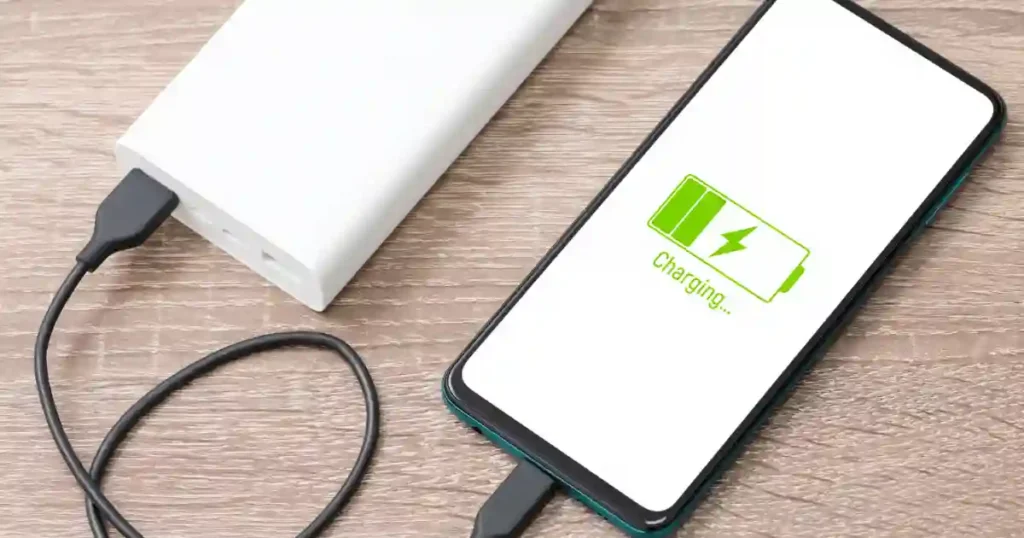
6:40 a.m. Airport gate. Phone at 14 percent. I remember standing at a gate in Portland watching my battery icon turn red while I still needed Google Maps, my boarding pass, WhatsApp, my camera, and maybe a little music to survive the wait. I reached into my backpack and found my power bank sitting there, ready to help, except it weighed nearly as much as a small brick. Finding the best power bank for travel is not about grabbing the biggest or fastest option on the shelf. A good travel model needs the right balance of capacity, charging speed, weight, size, ports, compatibility, safety, and airline rules.
Power banks are treated as spare lithium batteries for air travel, and FAA guidance requires them to stay in carry on baggage rather than checked baggage, while current IATA guidance has introduced tighter passenger recommendations, including a two power bank limit at up to 100Wh and restrictions on storing them in overhead lockers. Airlines can impose even stricter rules on top of that. This guide finds the sweet spot between enough power and why is my backpack so heavy.
What Makes the Best Power Bank for Travel?
A travel power bank has a different job from one that sits beside your desk. It needs to work when you are tired, moving, offline, and nowhere near a wall socket.
The Seven Things That Actually Matter
Enough capacity for your longest travel day matters first, since running dry at hour ten defeats the entire purpose. Fast enough charging for your specific devices matters next, since a slow trickle does little good during a short layover. Small enough to carry comfortably and light enough for daily travel both shape whether you actually bring it along at all. Compatibility with your devices, ease of packing and use, and genuine safety for air travel round out the list. The best travel power bank is really a balance across capacity, speed, weight, compatibility, airline compliance, and safety all at once, not a single standout number on the box.
How Much Power Bank Capacity Do You Need for Travel?
Capacity is usually the first number shoppers notice. But bigger is not automatically better once your backpack has to come with you all day long.
Matching Capacity to Your Trip
5,000mAh suits emergency top ups, short city trips, light phone users, and minimalist travelers who rarely stray far from an outlet. 10,000mAh suits day trips, daily commuting, single phone use, and anyone who prefers light packing above all else. 20,000mAh suits long travel days, multiple phone charges, several devices, and international trips where outlet access stays unpredictable.
25,000mAh becomes worth considering for extended trips or heavier device use, though bigger capacity always means more weight riding on your shoulder for the entire day. Our companion guide on power bank capacity vs charging speed goes even deeper into how these two specs interact if you want the fuller technical picture.
10,000mAh vs 20,000mAh for Travel
This is one of the most useful comparisons for shoppers. Both sizes can make genuine sense, but they suit very different travel styles.
| Feature | 10,000mAh | 20,000mAh |
|---|---|---|
| Size | Smaller | Larger |
| Weight | Lighter | Heavier |
| Phone top ups | Fewer | More |
| Day trips | Excellent | Good |
| Long trips | Moderate | Excellent |
| Backpacking | Easier to carry | More power, more weight |
| Multi device use | Moderate | Better |
| Travel sweet spot | Light packing | Long days |
Choose 10,000mAh if you travel light, stay near outlets often, or only need to top up a single phone occasionally. Choose 20,000mAh if you travel for full days without reliable outlet access or carry more than one device that needs power. 20,000mAh is often called the travel sweet spot precisely because it balances real endurance against a weight most people can still comfortably carry.
Do not buy capacity you will not actually carry, since an unused power bank sitting heavy in your bag helps no one. This 20,000mAh travel power bank sits right in that popular sweet spot for most travelers, while this more compact 10,000mAh option suits lighter packers well.
What Does 100Wh Mean for a Travel Power Bank?
If you are flying, Wh matters more than the giant mAh number printed on the front of the box. This is the number worth learning before airport day arrives.
Converting mAh to Wh
A watt hour measures total stored energy rather than raw charge capacity alone. The conversion formula is simple. Wh equals mAh divided by 1,000, multiplied by voltage. A 20,000mAh power bank at 3.7V works out to roughly 74Wh. The FAA provides this same basic method for calculating Wh from mAh and voltage.
That is exactly why 20,000mAh power banks commonly land around 74Wh, comfortably under the common 100Wh travel threshold. A 25,000mAh power bank sits much closer to that same 100Wh limit, which means it deserves extra attention before you pack it. Always check the actual product label rather than assuming voltage or capacity from memory, since the printed Wh rating is the number that actually matters at security and boarding.
Can You Take a Power Bank on a Plane?
This is a critical part of the search intent here. A brilliant power bank is useless if it is packed in the wrong bag or does not meet your specific airline’s rules.
Where the Wh Limits Actually Sit
Power banks must go in carry on baggage, since the FAA states that spare lithium batteries, including power banks, cannot be checked. At 100Wh or below, a power bank is generally accepted in carry on baggage without special approval. Between 101 and 160Wh, airline approval is typically required before you fly, so contact your airline directly ahead of time.
Above 160Wh, batteries are generally not allowed on passenger aircraft at all under FAA rules. Airline rules can be stricter than the federal baseline, which is exactly why checking before every trip genuinely matters. IATA’s 2026 guidance highlights that airlines may impose more stringent conditions and currently recommends no more than two lithium ion power banks up to 100Wh per passenger.
Updated 2026 Power Bank Airline Rules
This section should be treated as time sensitive. Travel battery rules keep changing, so always confirm current guidance with your airline before departure.
| Power Bank Size | General FAA Position | What Traveler Should Do |
|---|---|---|
| Up to 100Wh | Carry-on | Check airline rules |
| 101 to 160Wh | Airline approval | Ask airline before flying |
| Over 160Wh | Not allowed on passenger aircraft | Do not pack it |
| Any spare power bank | Carry-on only | Never put it in checked luggage |
The FAA currently says power banks are spare lithium batteries and must be carried on, while individual airlines may impose stricter quantity or Wh limits on top of that baseline. Current IATA passenger guidance reinforces the same carry on requirement while adding its own quantity recommendations for 2026. These 2026 rules need extra attention specifically because guidance has tightened recently, so checking your airline’s own published policy before every trip beats relying on an old blog post that may no longer reflect current rules.
What Charging Speed Should a Travel Power Bank Have?
Capacity gets you through the day. Charging speed helps you recover quickly when your phone is nearly dead and your boarding group is already being called.
Matching Wattage to Your Devices
10W charging feels genuinely slow by modern standards and works best as a backup rather than a primary option. 18W to 20W charging covers most everyday phone needs at a comfortable pace. 25W to 30W charging supports many current flagship phones running close to their maximum wired speed. 45W charging starts becoming useful for tablets and larger USB-C devices. 65W charging opens the door to laptops traveling alongside your phone.
A phone only traveler often finds 20W to 30W plenty, while a phone plus tablet combination benefits from 30W or higher. Laptop travelers often need 45W to 100W or more, and anyone carrying multiple devices at once should pay closer attention to total combined output rather than a single port’s rating.
USB-C PD: Why It Matters for Travel
USB-C is the connector. USB Power Delivery is a separate charging standard. Knowing that difference can save you from buying a charger that looks powerful but does not actually work as expected.
PD Across Different Device Types
USB Power Delivery is the standardized protocol that lets compatible chargers and devices negotiate power together automatically. It becomes especially useful while traveling, since one PD capable power bank can often replace several device specific chargers at once. USB-C PD works well for phones, scales up nicely for tablets, and becomes genuinely essential for laptops that rely on it as their primary charging method. Always check your specific device’s required wattage before assuming any USB-C power bank will charge it at full speed. Our full explainer on how fast charging actually works covers this exact negotiation process in much greater technical depth.
Do You Need PPS in a Travel Power Bank?
PPS is not something every traveler needs. But if your phone specifically supports it, PPS can matter quite a bit when choosing a fast charging power bank.
When PPS Actually Helps
Programmable Power Supply allows more precise, flexible voltage adjustment during charging. Many Samsung Galaxy phones specifically benefit from PPS support to reach their advertised maximum charging speed. Other compatible phones from various manufacturers can benefit too, though support varies model by model. PPS becomes worth paying for specifically when your phone’s own specifications call for it directly, and it becomes pointless to chase otherwise. Do not buy a power bank purely because PPS appears on the label if your actual phone does not use it.
Best Power Bank Wattage for Different Travel Devices
Your specific device list should decide the output rating you shop for. A phone only traveler has very different needs from someone carrying a MacBook, tablet, and camera all at once.
| Device Setup | Suggested Output Range |
|---|---|
| Phone only | 20 to 30W |
| Phone plus earbuds | 20 to 30W |
| Phone plus tablet | 30 to 45W |
| Phone plus handheld console | 30 to 45W |
| Phone plus laptop | 45 to 100W or more |
| Multiple USB-C devices | 65W or more total output |
iPhone travelers generally do well with 20W to 30W PD support for comfortable daily charging. Samsung Galaxy travelers should check whether their specific model benefits from PPS support before buying. Google Pixel travelers can typically rely on standard PD without needing extra proprietary features. USB-C laptop travelers should check their laptop’s actual maximum input wattage carefully before assuming any power bank will charge it at full speed.
Best Power Bank Features for Travel
Some features are genuinely useful on the road. Others look exciting on a product page but spend most of the trip doing absolutely nothing useful.
Features Worth Knowing About
A built in USB-C cable removes one more item you could otherwise forget at home. Multiple USB-C ports let you charge more than one device from a single unit at once. This power bank with a built in cable and multiple ports covers both of these convenience features in one compact unit. A battery percentage display removes the guesswork of wondering how much charge remains.
Pass through charging lets you charge the power bank and a connected device simultaneously overnight. Fast recharge input matters enormously for shortening your own wait time between uses. A compact design earns its keep every single time you actually pack the bag.
Low power mode helps earbuds, smartwatches, and other small USB devices charge properly without triggering unnecessary safety cutoffs. Magnetic charging adds real convenience for quick top ups, though it comes with its own tradeoffs covered next. Prioritize the features you will genuinely use daily over the ones that simply look impressive in a product photo.
Should You Choose a Magnetic Power Bank for Travel?
Magnetic banks are wonderfully convenient. Snap it on, charge, and walk away. But convenience does not always equal the best charging performance available.
Weighing the Tradeoffs
Magnetic power banks offer no loose cable to manage, genuinely easy phone use, a compact overall setup, and a great option for short top ups between activities. This magnetic power bank is worth comparing if quick, cable free top ups matter most to your travel style. The downsides include added heat during use, real wireless efficiency losses compared with a wired connection, slower charging in some situations, phone compatibility limits, and the need for careful magnetic alignment to work properly. Wired charging generally wins on raw speed and reliability for travel, while magnetic charging wins on everyday convenience for quick top ups. The best use case for magnetic charging is a quick boost between activities rather than a full recharge from a nearly dead battery.
How Much Should a Travel Power Bank Weigh?
A power bank that looks perfect online can feel very different after six hours of walking around an unfamiliar city. Weight matters far more once it is actually sitting in your backpack.
Weight Categories Worth Knowing
Lightweight travel power banks in the 5,000mAh to 10,000mAh range stay genuinely comfortable for all day carry. This lightweight option is worth a look if minimizing backpack weight matters more to you than raw capacity. Medium weight 20,000mAh banks add real bulk but still remain manageable for most travelers. High power laptop power banks add the most weight of all, given the larger cells needed to support higher wattage output. More battery is like packing more water. Useful, yes, but you still have to carry the bottle the entire day regardless of how thirsty you actually get.
Best Power Bank for Different Types of Travelers
There is no single best model for everyone. The best travel power bank for a backpacker may be completely wrong for someone carrying a laptop through business meetings.
Matching a Power Bank to Your Travel Style
A weekend trip usually suits a 10,000mAh to 20,000mAh bank with moderate output. International travel benefits from 20,000mAh paired with clear Wh labeling for smooth airport checks. Backpacking calls for higher capacity, a rugged design, and multiple charging ports for shared use among travel companions. Business travel benefits from fast charging speed and genuine portability for quick moves between meetings.
Long flights favor accessible packing and a comfortable, easy to reach pouch inside your carry on. Digital nomads often need higher wattage output to keep a laptop running alongside a phone throughout the workday. Families benefit from multiple ports to charge several devices from one shared unit at once. Phone only travelers can comfortably stay in the 10,000mAh to 20,000mAh range without extra output. Laptop travelers need the highest wattage tier available alongside genuine USB-C PD support.
Real Life Travel Scenarios
This section should make the buying advice feel practical. Imagine the power bank sitting in an actual bag, not floating inside a perfect product photograph.
From a Quick City Day to a Full Multi Device Trip
A one day city trip covering phone use, maps, camera shots, and mobile data fits comfortably within a 10,000mAh bank offering 20W to 30W output. A compact daily carry option like this one suits exactly this kind of short trip well. A three day trip calls for 20,000mAh, 20W to 30W output, a proper USB-C cable, and possibly a spare cable for backup. A long haul flight calls for 20,000mAh kept in an accessible pouch with a short cable and a clearly visible battery label for easy inspection. Backpacking through a rural area calls for higher capacity, a genuinely rugged design, a strong cable, and multiple charging ports to serve a small group. Traveling with a phone, laptop, and tablet together calls for 20,000mAh to 25,000mAh paired with 65W or higher output and multiple USB-C ports.
The My Phone Is at 3 Percent Moment
Every traveler knows this feeling. The weight settling into your shoulder after hours of walking, a cable tangled at the bottom of your bag, a slightly warm power bank after a long charging session, and that small flash of panic when your phone hits single digits with no outlet in sight. A well matched power bank turns that exact moment into a minor inconvenience instead of a genuine crisis.
Best Power Bank Capacity for International Travel
International travel adds one more layer of complexity. Different airlines and countries can enforce different restrictions, so the safe approach is choosing a clearly labeled battery and checking the rules before you leave home.
Why Clear Labeling Matters at Security
20,000mAh remains popular for international travel because it comfortably balances real capacity against a Wh rating that stays safely under 100Wh. 25,000mAh requires more careful attention, since it sits much closer to that same threshold and may draw extra scrutiny. Wh matters far more than mAh at security checkpoints, since officials and airline staff typically reference the printed watt hour rating directly. Clear labeling on the power bank itself avoids confusion or delays at the gate. IATA recommends keeping power banks in hand baggage and protecting them from short circuits, and its passenger guidance also says travelers should keep them accessible and follow airline specific conditions throughout the flight.
How to Pack a Power Bank Safely for Travel
Packing is simple, but small mistakes can cause real problems at the airport. Give the battery its own safe little home inside your bag.
Smart Packing Habits
Keep it in carry on luggage at all times, never checked baggage. Protect the ports from dust and debris using a case or pouch. Prevent short circuits by avoiding loose metal objects sitting directly against the terminals. Use a protective pouch specifically designed for battery storage where possible. Keep the power bank away from metal objects like keys or coins that could cause accidental contact. Keep it accessible rather than buried at the bottom of a packed bag, since airport staff may occasionally ask to inspect it. Never pack a damaged or swollen power bank under any circumstances. If the power bank ever gets hot during a flight, IATA advises alerting crew immediately if a battery powered item becomes hot, smokes, or shows any other sign of a problem.
Can You Use a Power Bank During a Flight?
Do not assume that allowed on the plane automatically means use it however you like. Current airline policies can genuinely restrict where and when power banks may be used.
Rules Worth Knowing Before You Fly
Keep it accessible throughout the flight rather than stored in an overhead bin you cannot easily reach. Never put it in checked baggage under any circumstances, regardless of how it is packed. Follow your specific airline’s in flight rules closely, since policies vary between carriers. IATA’s current passenger guidance says power banks should not be used to power devices during taxi, takeoff, or landing, and should not be recharged from an in aircraft power supply, while individual airlines may impose even stricter conditions. Always follow crew instructions immediately if asked to stop using or charging a device during the flight.
Power Bank Safety Features to Look For
Travel exposes your power bank to bags, heat, drops, and long charging sessions. Safety features matter more here than any flashy display ever could.
The Protections Worth Checking
Overcharge protection, overcurrent protection, short circuit protection, and overtemperature protection should all be built directly into any power bank you trust with daily travel use. Quality battery cells and a reliable battery management system matter just as much as the visible spec sheet numbers. Recognized safety testing and certifications give you real confidence the unit was actually tested rather than simply assembled cheaply.
Avoid damaged or recalled batteries entirely, since the FAA specifically advises travelers to check airline guidance for damaged or recalled batteries and says damaged or recalled batteries that could create dangerous heat or sparks must not be carried aboard unless made safe first. This power bank with verified safety certifications is worth the small price premium over an unbranded alternative you cannot verify.
Expert Advice on Choosing a Travel Power Bank
Aviation and battery safety authorities form the real foundation here, since the safety and airline portions of this topic need authoritative evidence rather than casual opinion. FAA PackSafe guidance, U.S. Consumer Product Safety Commission recall data, and current TSA guidance together cover capacity, Wh ratings, charging speed, battery safety, travel weight, device compatibility, and airline rules in a genuinely reliable way.
Applying This Guidance to Your Own Trip
Match your power bank’s Wh rating to your specific airline’s published limits before you ever pack it. Prioritize verified safety certifications over flashy marketing claims you cannot independently confirm. Keep your power bank accessible, clearly labeled, and free of visible damage every single time you travel. Our broader guide on avoiding counterfeit chargers and batteries covers related red flags worth knowing before you buy a cheap unbranded unit online.
Best Travel Power Bank Comparison Framework
If you later compare specific products, apply the same criteria to every model. That keeps the comparison fair instead of turning it into a parade of marketing claims.
| Factor | Weight in Decision |
|---|---|
| Capacity | High |
| Output wattage | High |
| Weight | High |
| USB-C PD | High |
| Airline suitability | Critical |
| Recharge speed | Medium to high |
| Number of ports | Medium |
| Cable convenience | Medium |
| Display | Low to medium |
| Wireless charging | User dependent |
| Safety features | Critical |
| Warranty | Medium |
The best overall pick balances capacity, good output, reasonable weight, reliable safety, and a travel friendly Wh rating all at once. The best lightweight pick prioritizes carry comfort above raw capacity. Also, best high capacity pick suits longer trips willing to trade weight for endurance.
Best laptop pick prioritizes wattage and PD support above all else. The best budget option still needs genuine safety certifications, never just a low price. The best magnetic option suits quick top ups rather than full recharges. Always verify a model’s actual capacity, output, weight, input speed, ports, Wh rating, and travel restrictions rather than ranking products from marketing claims alone. This well rounded travel power bank performs reasonably well across most of these criteria at once.
Common Mistakes When Buying a Travel Power Bank
Travel shoppers often buy the biggest number on the box without thinking further. That can leave you with a heavy power bank, disappointingly slow charging, or a genuine airport headache.
Buying the biggest capacity available while ignoring weight leads straight to a sore shoulder by the end of a long travel day. Looking only at mAh while ignoring Wh can create confusion at airport security. Ignoring output wattage means paying for capacity your devices cannot actually use quickly. Ignoring USB-C PD support can mean a power bank that looks fast but negotiates poorly with your actual phone. Forgetting input wattage leaves you waiting hours for your own power bank to recharge the night before a flight. Buying too many ports you will never use adds bulk without adding real value.
Choosing wireless charging without checking phone compatibility wastes money on a feature that simply will not work. Packing it in checked luggage violates airline rules and risks confiscation at security. Not checking your airline’s current rules before departure remains the single most avoidable mistake on this entire list. A 30,000mAh power bank sounds fantastic right up until your shoulder starts filing a formal complaint. Our broader guide on tech buying mistakes beginners make covers similar patterns worth avoiding across other electronics purchases too.
How to Choose the Best Power Bank for Travel
Now let’s turn all this research into a simple, repeatable buying process. Start with your actual travel day, then choose the specifications around it.
The Eleven Step Process
List the devices you will actually carry on your trip. Estimate your realistic daily battery use across all of them. Choose between 10,000mAh and 20,000mAh based on that honest estimate. Check the Wh rating printed directly on the product label. Match output wattage to your fastest charging device. Check USB-C PD and PPS support on both the power bank and your devices. Check input speed so recharging does not eat into your own limited time. Also, Check weight against how comfortably you can actually carry it all day.
Check ports and cable needs based on how many devices travel with you. Check your specific airline’s current rules well before departure day. Also, Check safety certifications and warranty coverage last, though never skip this step regardless of price. The simple travel buying formula runs like this. Your devices lead to required capacity, which leads to charging speed, then weight, then Wh, then airline rules, then safety.
The Ten Step Process, Continued: Protecting Your Data and Devices Too
Travel charging is only part of a safe trip. If you are switching to a new phone before departure, our guide on transferring data from an old phone makes that move painless. Our broader post on protecting your personal data covers habits worth adopting regardless of which power bank you carry. If water exposure is a realistic risk on your trip, our guide on protecting your smartphone from water is worth a quick read beforehand.
And if your current phone’s battery already feels weaker than it should, our guide on how long a smartphone battery should last helps you decide whether it needs replacing before a big trip, alongside our post on knowing when to replace your smartphone.
Frequently Asked Questions About the Best Power Bank for Travel
What Is the Best Power Bank Size for Travel?
20,000mAh generally offers the best balance of endurance and weight for most travelers, while staying comfortably under common airline Wh limits.
Is 10,000mAh Enough for Travel?
Yes, for day trips, light packing, or single phone use, though longer travel days often benefit from stepping up to 20,000mAh instead.
Is 20,000mAh Too Big for a Plane?
No, a 20,000mAh power bank typically lands around 74Wh, which stays comfortably under the common 100Wh carry on threshold.
Can I Take a 20,000mAh Power Bank on a Flight?
Yes, in most cases, since its typical Wh rating falls well under standard airline limits, though checking your specific airline remains wise.
Can I Take a 25,000mAh Power Bank on a Plane?
Usually yes, but it sits much closer to the 100Wh threshold, so double check its exact printed Wh rating before you fly.
What Is the 100Wh Rule for Power Banks?
Most airlines allow lithium ion power banks up to 100Wh in carry on baggage without special approval, subject to individual airline conditions.
Can I Put a Power Bank in Checked Luggage?
No, spare lithium batteries including power banks must always travel in carry on baggage under FAA guidance.
Can I Use a Power Bank During a Flight?
Generally yes outside of taxi, takeoff, and landing, though current IATA guidance discourages use during those specific phases and airlines may add further restrictions.
What Wattage Is Best for a Travel Power Bank?
20W to 30W suits most phone focused travelers, while laptop travelers typically need 45W to 100W or higher.
Is 20W Enough for Travel?
Yes, for most everyday phone charging needs, though faster devices may benefit from 30W or higher.
Is 30W Better Than 20W?
It offers faster charging for supported devices, though the benefit only applies if your specific phone can actually use that extra power.
Do I Need a 65W Power Bank for a Laptop?
Often yes, since many laptops require higher wattage than phones to charge at a reasonable, practical speed.
What Is USB-C PD?
USB-C Power Delivery is the standardized protocol that lets compatible chargers, power banks, and devices negotiate power together automatically.
Do I Need PPS?
Only if your specific phone requires PPS to reach its advertised maximum charging speed, which is common on certain Android flagships.
Are Magnetic Power Banks Good for Travel?
Yes, for quick convenient top ups, though wired charging remains faster and more reliable for a full recharge.
How Do I Calculate a Power Bank’s Wh?
Divide the mAh rating by 1,000, then multiply by the battery’s voltage, typically 3.7V for common lithium cells.
How Many Phone Charges Does a 20,000mAh Power Bank Provide?
Typically two to four full phone charges, depending on your specific phone’s battery size and normal conversion losses.
What Should I Look for in a Safe Travel Power Bank?
Overcharge, overcurrent, short circuit, and overtemperature protection, along with recognized safety certifications from a reputable manufacturer.
How Many Power Banks Can I Take on a Plane?
Current IATA guidance recommends no more than two lithium ion power banks up to 100Wh per passenger, though airlines may set their own limits.
Should I Check My Airline’s Rules Before Traveling?
Yes, always, since battery rules can change and individual airlines frequently impose stricter conditions than the general federal baseline.
Buying and Maintaining Your Travel Power Bank the Smart Way
Getting the specs and safety details right means little if the purchase itself goes wrong, so a quick word on smart buying matters here too.
Spotting a Genuine Deal and Buying With Confidence
Sales pages love big discount banners, but not every discount is a real discount, and our guide on knowing if an online electronics deal is legit helps you separate a genuine markdown from an inflated fake sale. Our broader comparison of cheap vs expensive electronics explains when paying more for a travel power bank genuinely pays off.
Whether you shop through a marketplace or a retailer’s own site, our guide on buying electronics safely online walks through the checks worth doing before you pay. Once your power bank arrives, our post on why your new device may not work as expected can save you a stressful return trip before your next flight.
Keeping It Reliable Trip After Trip
For everyday cleaning, our guide on safely cleaning tech products explains the right tools for wiping down ports and casings without damage. Our post on cleaning a smartphone charging port covers the connector side specifically if debris starts affecting your connection quality. When an old power bank finally reaches the end of its useful life, our guide on safely disposing of old electronics covers the responsible way to handle a retired lithium battery.
Charging issues elsewhere in your travel kit are worth understanding too, and our guides on common charging problems and what to do when your phone charges slowly cover the usual culprits. Our post on why smartphones overheat during charging explains a related heat pattern worth watching for during long travel days. This dependable travel charger pairs well with any power bank discussed in this guide for a complete on the go kit.
Choosing the Right Devices Around Your Travel Charging Setup
A great power bank works best alongside devices that were chosen with your travel habits in mind from the start.
Matching Your Phone and Laptop to Travel Life
If a new phone purchase is also on your radar, our guides on the best smartphone for long battery life and the best smartphone under a specific budget are worth reading alongside this one. Storage needs matter for travel photos and offline maps too, and our guide on how much phone storage you really need covers that question clearly.
Students planning their first big trip may also appreciate our guide on the best phone for students. Laptop travelers should check our guides on choosing a laptop for beginners and choosing a laptop for work and study, both of which cover portability tradeoffs relevant to frequent travel. Our troubleshooting guide on common laptop charging problems is also worth bookmarking before a long trip with a laptop in tow.
Final Verdict: What Is the Best Power Bank for Travel?
The best travel power bank is not the one with the biggest number printed on the box. It is the one that gives you enough power without becoming another piece of luggage you resent carrying.
Matching the Verdict to Your Travel Style
Best for most travelers means 20,000mAh paired with USB-C PD and around 20W to 30W output, a genuinely practical sweet spot for phone focused trips. Best for light packers means 10,000mAh paired with 20W to 30W output for shorter trips near reliable outlets. Also, Best for laptop travelers means a 20,000mAh class unit paired with 45W to 100W or higher USB-C PD, provided your specific device actually needs that output and the battery complies with current travel rules.
Best for long trips prioritizes capacity, fast recharge, multiple ports, reliable safety, and reasonable weight all working together. The rule worth remembering is simple. Buy the smallest power bank that comfortably gets you through your longest travel day, then make sure its Wh rating, output, and airline rules genuinely fit your specific trip.
Final Recommendation
After testing power banks across airports, long layovers, and multi day trips, my honest recommendation is simple. Choose a 20,000mAh power bank with USB-C PD support and roughly 20W to 30W output, since it comfortably covers most travel days without turning into dead weight in your bag. Always confirm its printed Wh rating stays under your airline’s current limit before you fly.
This power bank on Amazon has held up reliably across my own travel testing and stays safely within common carry on limits. I have watched too many travelers either overpack capacity they never fully use or underpack speed they desperately need during a short layover. Match your power bank to your actual trip, not to the biggest number on the shelf, and it will earn its spot in your bag every single time.

Ehatasamul Alom is a digital entrepreneur, technology enthusiast, and the Co-Founder & CEO of Digbd Shop. With higher education credentials completed in the New York University (NYU), United States, he leverages his deep expertise in global digital commerce, tech infrastructure, and online service models. Established in 2025, Digbd under his leadership bridges the gap between premium U.S. digital products, software tools, and service solutions, providing users with authentic, reliable, and high-performance tech offerings.