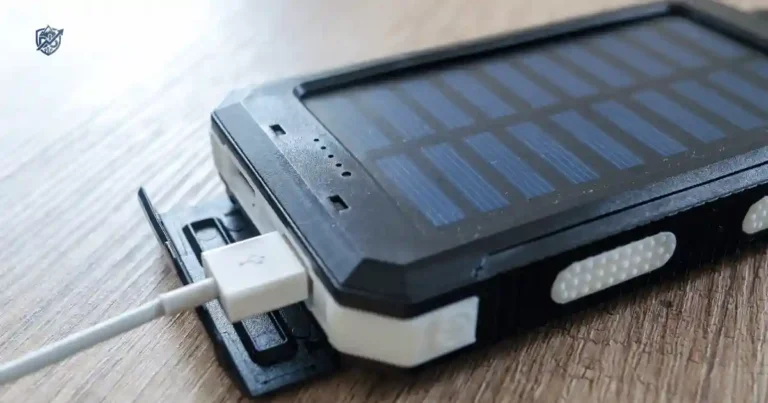
How to Store Electronics You Don’t Use Often Safely
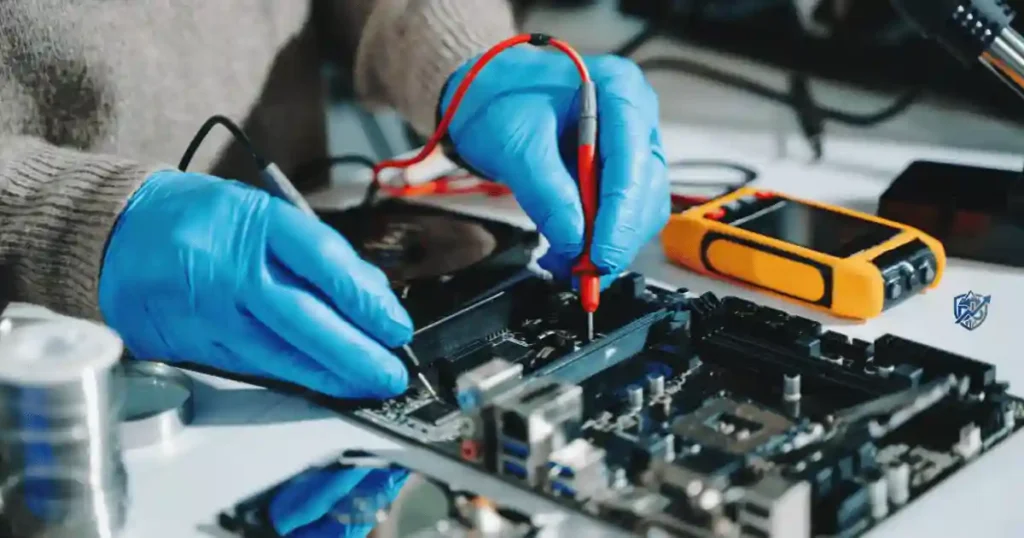
That old laptop sitting in your closet still holds value, but leaving it there without preparation can quietly ruin it. Last year in Dallas, I opened a storage box only to find an old tablet ruined by a swollen battery and corroded ports. Many of us keep spare phones, old cameras, and unused laptops in drawers for months or years. We often assume that turning off a device keeps it safe, but heat, humidity, dust, and aging batteries continue to affect the internal components. If you want your gear to work when you need it again, learning how to store electronics you don’t use often is essential for protecting your investment.
Why Proper Electronics Storage Matters
Electronics do not stay fresh on their own. The goal of good storage is to protect your gear from moisture, heat, dust, battery damage, and accidental impact.
What can happen to electronics during long-term storage?
- Batteries slowly lose charge: Unused batteries drain over time and can drop to unsafe voltage levels.
- Lithium-ion batteries can degrade: Deep discharge can permanently lower total capacity or cause chemical failure.
- Alkaline batteries can leak: Corrosive potassium hydroxide can spill out and ruin metal contacts.
- Humidity can cause corrosion: Moisture in the air creates rust and shorts inside delicate circuit boards.
- Dust can enter ports and vents: Fine particles block air paths and prevent proper electrical connections.
- Extreme heat can damage components: High temperatures weaken adhesives and stress internal chips.
- Cold can create condensation: Moving cold gear into warm air causes water droplets to form on internal parts.
- Screens and plastics can degrade: Rubber coatings become sticky and display layers can separate over time.
- Cables can become brittle: Rubber jackets crack and copper wires snap if stored incorrectly.
- Devices can become forgotten and unsupported: Old operating systems eventually lose access to modern apps and web security updates.
Why “just put it in a drawer” is not always enough
Throwing a device into the nearest drawer often leads to hidden damage. Storage needs change based on time:
- Short-term storage: A few days to weeks. Basic dust protection and power management are usually enough.
- Seasonal storage: A few months. Items like summer drones or winter cameras need clean ports and safe battery levels.
- Long-term storage: Six months to two years. Requires data backups, account sign-outs, and precise climate management.
- Permanent storage: Over two years. Requires routine checks, or a decision to sell or recycle the device.
The five things electronics need during storage
- A stable temperature: Avoid sharp hot or cold swings.
- Low moisture: Keep air dry to prevent rust.
- Physical protection: Use padding to block drops, dust, and crushing.
- Safe battery management: Store batteries at proper charge levels and remove dry cells.
- A record of what is stored: Keep an updated list so items are not forgotten.
Which electronics are most sensitive to storage conditions?
- Smartphones
- Laptops
- Tablets
- Cameras
- Drones
- Game consoles
- Wireless earbuds
- Power banks
- Rechargeable tools
- Smartwatches
- External hard drives
- USB drives
Prepare Electronics Before Putting Them Away
Good storage starts before you close the box. Taking ten minutes to prepare your gear saves you from frustrating hardware failures down the road.
Back up important data first
Always save your files before putting gear into storage. Drives can fail after long periods of inactivity.
- Photos
- Videos
- Documents
- Contacts
- Device settings
- Game saves
- Work files
Sign out of accounts when appropriate
Remove active logins to protect your privacy and ensure you do not get locked out later.
- Apple ID
- Google account
- Microsoft account
- Cloud services
- Streaming accounts
Remove unnecessary personal information
Wiping your personal data is vital if:
- You plan to donate the device later.
- Someone else in your home might pick it up.
- You decide to list it for resale.
- The device sits in a shared storage area.
Clean the device before storage
Dirt and oils degrade materials over time. Give every surface a proper wipe.
- Wipe the screen: Use a clean microfiber cloth.
- Remove fingerprints: Oils can permanently mark screen coatings.
- Clean dust: Blow away loose dirt with compressed air.
- Clean ports carefully: Clear out debris with a plastic pick.
- Remove food residue: Food crumbs attract bugs that eat wiring.
- Clean protective cases: Take cases off to wash away hidden grime.
Let the device dry completely
Trapping moisture inside a storage box guarantees corrosion. Never store items while they are:
- Damp from cleaning liquids
- Wet from rain or spills
- Covered in condensation
- Freshly wiped down with damp cloths
Check for existing damage
Inspect every inch of your hardware before packing it away:
- Cracked screens
- Swollen batteries
- Damaged cables
- Broken ports
- Corrosion on metal connectors
- Loose or missing battery covers
Choose the Right Place to Store Electronics
The best storage spot is usually boring. Electronics prefer a quiet, dry, temperature-controlled room over an unpredictable attic or basement.
The ideal storage environment
Look for a spot that stays:
- Cool and consistent
- Dry with low air humidity
- Clean and free of heavy dust
- Well ventilated
- Dark, away from direct sunlight
- Safe from water pipes and leaks
- Away from space heaters and vents
Good places to store electronics
- Indoor hallway closets
- Bedroom cabinets
- Dedicated office storage shelves
- Climate-controlled spare rooms
- Clean storage cupboards in main living areas
Places to avoid
Hot attics
Summer heat turns attics into ovens. These high temperatures break down battery chemicals, warp plastic frames, and melt internal glue.
Damp basements
Basements carry high humidity that settles inside open ports. Moisture oxidizes copper traces and sparks mold growth on fabric linings.
Garages
Unconditioned garages shift wildly in temperature. Rain, dust, outdoor pests, and car exhaust quickly ruin delicate circuit boards.
Near windows
Direct sunlight bakes plastic shells until they fade and crack. Solar heat also triggers thermal stress on internal screen panels.
Near radiators and heaters
Placing gadgets near heat sources dries out rubber gaskets and causes battery cells to age prematurely.
A practical real-life example
Imagine a hot July afternoon in Dallas—or a humid monsoon day in Rajshahi. Outside, the air feels heavy, and an unconditioned attic can easily top 110 degrees Fahrenheit. If you leave a camera inside a cardboard box up there, its internal seals dry out, its lens coatings degrade, and its battery degrades rapidly. Placing that same camera inside an indoor bedroom closet keeps it at a stable 72 degrees, protecting the sensitive components from extreme stress.
Control Temperature and Humidity During Storage
Temperature and moisture are two major threats to stored electronics. You do not need a specialized laboratory, but keeping environmental conditions steady is critical.
Why heat can damage stored electronics
- Accelerates battery capacity loss.
- Stresses internal silicon components.
- Causes plastic casings to turn brittle.
- Weakens screen adhesives and lens glues.
- Damages delicate LCD display layers.
- Reduces overall battery life permanently.
Why moisture is a problem
- Triggers rapid metal corrosion on circuit boards.
- Promotes rust on steel screws and shields.
- Causes copper line oxidation.
- Leads to short circuits when powered on later.
- Encourages mold inside optical lenses.
What about cold temperatures?
Cold air acts differently than heat:
- Extreme cold itself rarely causes permanent circuit damage.
- Rapid warming causes moisture in the air to condense on internal parts.
- Cold gear must reach room temperature slowly before you turn it on.
Use humidity control when needed
Simple tools help manage excess air moisture:
- Silica gel packets: Pull small amounts of trapped moisture out of closed containers.
- Desiccants: Keep larger storage bins dry.
- Dehumidifier units: Run them in damp rooms to protect stored gear.
- Airtight containers: Great for small gear when paired with fresh silica packets.
Do not let moisture-control products touch electronics directly
- Keep silica gel bags off glass displays and bare metal.
- Follow all product warning labels.
- Replace saturated desiccant packs every few months.
EEAT Note: Temperature and humidity tolerance varies across different electronics. Always check your manufacturer manual for exact operational limits rather than assuming one target number fits every device.
How to Store Electronics With Batteries
Battery-powered items need special care. Even when a device is turned off, its battery chemistry continues to change over time.
Identify the battery type
- Lithium-ion (smartphones, modern laptops)
- Lithium-polymer (tablets, thin gadgets)
- Nickel-metal hydride (older rechargeable tools)
- Alkaline (standard AA/AAA disposable cells)
- Rechargeable AA/AAA cells
- Button or coin cells (watches, motherboard backup power)
Why battery type matters
Different chemistries react differently to long periods of storage:
- Rechargeable cells slowly drain energy on their own.
- Lithium-ion packs suffer permanent capacity loss if left completely empty.
- Alkaline cells expand and leak corrosive fluid over time.
- Removable batteries should always be removed and stored separately in plastic cases.
Should you remove batteries before storage?
Removable alkaline batteries
Always take alkaline batteries out of remotes, flashlights, and toys. They leak over time and ruin battery spring contacts.
Removable rechargeable batteries
Follow vendor instructions. Charge them to the recommended storage percentage and protect their metal terminals with plastic caps.
Built-in lithium-ion batteries
Keep built-in batteries inside the device. Never store them completely empty or at full 100% capacity for extended periods, and keep them away from hot areas.
What to do with spare batteries
- Store them in a cool, dry box.
- Use plastic cases to prevent terminals from touching metal objects.
- Never store loose batteries alongside paperclips, keys, or foil.
- Throw away leaking or dented cells right away.
Never store a swollen or damaged battery
- Do not press down on swollen casings.
- Never puncture or scrape a battery pack.
- Do not attempt to charge a damaged cell.
- Take damaged units to a dedicated hazardous waste site immediately.
Safety Warning: According to the U.S. Environmental Protection Agency (EPA), lithium-ion batteries and devices containing them should never go into standard household trash or curbside recycling bins, as they can cause fires inside waste trucks and sorting facilities.
How to Store Smartphones and Tablets You Rarely Use
Old phones often end up in drawers as emergency backups. Proper care keeps them ready for use when you need them.
Before storing a smartphone
- Back up your photos, contacts, and messages.
- Install available security updates.
- Clean the screen and body thoroughly.
- Remove bulky protective cases and grips.
- Check for any frame bending or glass cracks.
What battery level should you leave?
- Check manufacturer recommendations (Apple and Samsung usually suggest around 50%).
- Never store a phone completely dead.
- Keep the phone away from direct sunlight and heat.
- Check the battery charge every six months.
Should you turn the phone off?
Yes. Always power off a smartphone completely before placing it in storage. Leaving it in standby drains the battery to zero within days, putting the cell into a deep discharge state.
How to protect the phone
- Wrap the device in a soft microfiber sleeve.
- Keep it away from keys, coins, and loose tools.
- Face the glass display toward a padded wall or flat surface.
- Store it in a dry location away from water pipes.
Check it periodically
- Inspect the frame for any gaps caused by battery swelling.
- Check if the screen pops out along the edges.
- Charge the battery back to 50% every few months.
- Run software updates if you plan to use it as an active backup.
Before using it again
- Look for signs of cracks, rust, or swelling.
- Ensure the phone is at normal room temperature.
- Use a original charger and cable.
- Let it charge to 100% before running heavy apps.
- Test the touchscreen, mic, and camera functions.
How to Store Laptops and Computers
Laptops combine screens, hinges, fans, and storage drives in a compact package, making them especially sensitive to storage conditions.
Prepare a laptop for storage
- Back up all personal files to an external drive or cloud storage.
- Install pending OS security updates.
- Shut the computer down completely (do not use sleep mode).
- Blow dust out of the side vents using canned air.
- Wipe clean the keyboard, trackpad, and screen.
- Inspect the chassis for battery swelling or loose screws.
Should you store a laptop with the battery inside?
For modern ultrabooks with non-removable batteries, leave the pack inside. If you have an older laptop with a clip-out battery, detach the pack, place it in a protective sleeve, and store it alongside the computer.
Protect the screen and hinges
- Close the display lid gently.
- Never stack heavy books or other devices on top of a closed laptop.
- Avoid applying pressure to the top display cover.
- Store the unit inside a padded neoprene sleeve.
What about laptops with SSDs?
Solid-State Drives (SSDs) use flash memory chips rather than spinning magnetic platters:
- They handle physical bumps and drops better than older hard drives.
- They do not need magnetic isolation.
- Unpowered flash memory can lose data over several years of total inactivity.
- Always back up critical files to multiple places.
What about older laptops with HDDs?
Traditional hard disk drives use fragile spinning magnetic disks:
- Protect the laptop from heavy vibrations and drops.
- Store the machine flat on a stable shelf.
- Back up files before putting the laptop away.
Before turning on an old laptop
- Let the cold computer adjust to room temperature.
- Inspect the battery area for swelling or cracks.
- Inspect the power cable for fraying or bent pins.
- Clear away any visible dust on the vents.
- Boot up and install modern security patches.
How to Store Cameras, Game Consoles, and Other Electronics
Different gadgets have different weak points. Cameras worry about humidity on glass optics, while game consoles suffer from dust buildup in fans.
Digital cameras
- Take out the removable battery and store it in a dedicated case.
- Put lens caps on both the camera body and lenses.
- Keep optical gear in a dry box with fresh desiccant packs.
- Avoid moving lenses quickly between cold air and humid warmth.
- Keep optics away from damp areas to prevent lens mold.
Game consoles
- Vacuum away dust from intake vents.
- Unplug all HDMI and power cables.
- Store the console on a flat, stable shelf.
- Do not stack heavy items on top of the outer shell.
- Keep controllers, power bricks, and display cords packed together.
Drones and drone batteries
- Check vendor guides for battery storage limits.
- Charge or discharge smart flight packs to their auto-storage level (around 50%).
- Detach flight batteries from the drone frame.
- Inspect battery casings for puffing or cracks.
- Store flight gear in a cool room away from flammable materials.
Wireless earbuds
- Clean earwax off silicone tips and speaker meshes.
- Place the earbuds inside their primary charging case.
- Do not leave the main case battery at 0% for months.
- Top off the charging case every few months.
External hard drives
- Copy important files to a second backup drive.
- Eject the drive safely from your computer OS.
- Protect spinning drives inside padded bubble wrap cases.
- Keep mechanical drives away from strong magnetic fields and moisture.
- Avoid relying on a single external drive for irreplaceable photos.
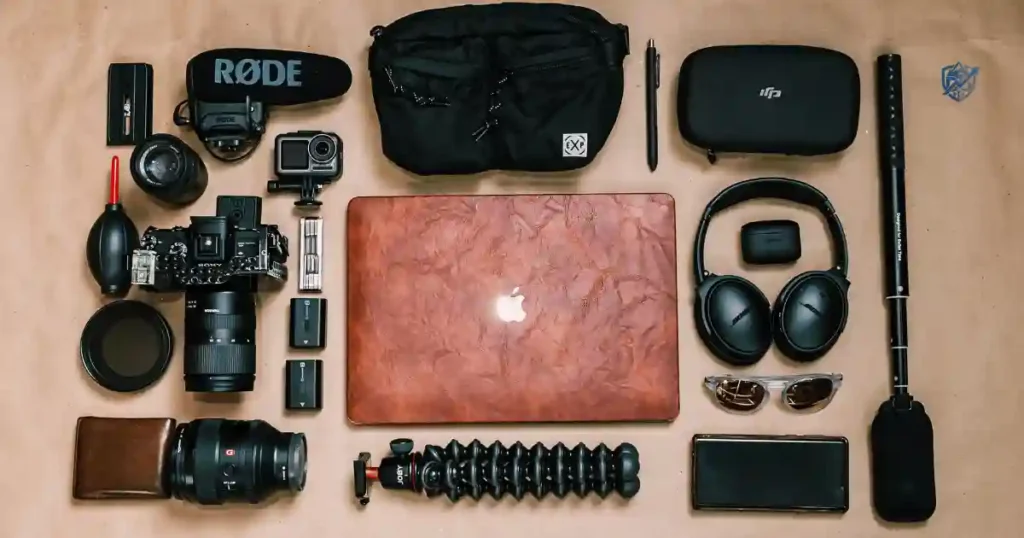
How to Store Cables, Chargers, and Accessories
Unorganized cable piles quickly turn into a mess of tangled, broken wires. Proper organization keeps accessories functional and easy to find.
Organize cables by device
- Tag each cord using zip ties or printed labels.
- Pack matching cables inside labeled clear bags.
- Keep power bricks packed alongside their main devices.
Avoid tight bends
- Do not wrap power cords tightly around transformer bricks.
- Use loose, circular loops (the over-under coiling technique).
- Keep strain reliefs on cable ends straight and stress-free.
Inspect before storage
Look for:
- Cracked outer rubber coats
- Exposed inner copper wires
- Bent USB or HDMI connectors
- Discolored cable ends from past heat damage
Store chargers safely
- Keep all power adapters in dry storage bins.
- Store chargers away from direct sunlight and heaters.
- Avoid placing heavy bins on top of loose cords.
- Coil heavy extension cables loosely.
Create an “electronics storage box”
A great device kit includes:
- The primary device
- Its matching wall charger
- High-speed connection cables
- User manuals
- Small adapters or memory cards
- A note with the date it was packed away
Best Storage Containers for Electronics
Selecting the right container keeps dust and impact away from your gear while preventing trapped moisture.
Cardboard boxes
- Pros: Inexpensive, breathable, easy to write on with markers.
- Cons: Absorbs air moisture, crushes under weight, attracts pests like silverfish.
Plastic storage bins
- Pros: Sturdy, stackable, water-resistant, shields against crushed gear.
- Cons: Traps moisture inside if closed on humid days; can heat up in sunlight.
Original retail packaging
- Pros: Custom foam inserts, great protection against drops, easy to identify.
- Cons: Takes up closet space; cardboard degrades in humid rooms.
Padded cases
- Best for: DSLR cameras, glass lenses, laptops, tablets, portable game systems.
Anti-static bags
- Best for: Exposed PC parts, motherboards, RAM sticks, internal hard drives, graphics cards.
Avoid sealing damp electronics
- Never lock damp gear into airtight plastic bins.
- Ensure both the device and storage container are completely dry before closing.
- Add fresh silica gel packs inside sealed plastic bins.
Electronics Storage Methods Compared
Choosing the right storage container depends on the device type and environment. The comparison table below highlights the key features of common storage options.
| Storage Method | Best For | Main Benefit | Main Risk |
| Original Box | Most consumer electronics | Custom-fit foam protection | Cardboard can absorb air moisture |
| Plastic Bin | Multiple mixed devices | Strong dust and crush shield | Traps humidity if sealed damp |
| Padded Case | Cameras, laptops, lenses | High drop and impact protection | Costs more than simple boxes |
| Indoor Cabinet | Daily small gadgets | Stable temperature and easy access | Limited storage space |
| Anti-Static Bag | PC components, circuit boards | Safe from static charges | No padding against drops |
| Airtight Container | Small sensitive optics | Complete moisture seal | Traps condensation if sealed wrong |
How to Store Electronics in Hot or Humid Climates
Warm, humid regions demand extra care. High humidity speeds up internal metal oxidation and creates ideal conditions for mold growth inside optical gear.
Why humid climates need extra care
- Air moisture condenses on cold metal surfaces.
- Moisture speeds up corrosion on circuit board connections.
- Fungi can grow inside camera glass lenses.
- Batteries degrade faster under heat.
- Cardboard packaging absorbs water and loses structural strength.
Best practices for humid environments
- Keep electronics inside air-conditioned rooms when possible.
- Use a home dehumidifier to keep indoor humidity below 50%.
- Elevate storage bins off concrete floors.
- Place fresh silica gel packs inside sealed device containers.
- Keep gear out of damp basements and unconditioned sheds.
What to do during monsoon season
- Inspect storage boxes monthly for signs of dampness.
- Check cardboard boxes for soft or sagging walls.
- Swap out saturated silica gel packs for fresh dry ones.
- Look for condensation droplets inside plastic bins.
- Let cold gear warm up gradually before turning it on in hot, humid air.
A simple local-language touch
If you live in regions with harsh wet seasons—like South Asia or coastal zones—watching out for “গরম আর আর্দ্রতা” (heat and humidity) is essential for preserving high-end hardware.
How to Store Electronics for Different Lengths of Time
The longer a device sits unused, the more careful your preparation needs to be. Short-term storage requires minimal prep, while long-term storage demands proactive maintenance.
| Storage Period | Preparation | Check Frequency |
| A few weeks | Clean exterior and charge battery | Minimal checks needed |
| 1–3 months | Charge battery to 50% and store cool | Check every few months |
| 3–12 months | Back up files, sign out, charge to 50% | Inspect every 3 to 6 months |
| 1–3 years | Deep clean, remove dry batteries, full backup | Inspect every 6 months |
| Indefinitely | Remove batteries, wipe data, assess value | Check yearly or donate/recycle |
Short-term storage
- Wipe away surface dirt and finger oils.
- Turn the device completely off.
- Put the item in a soft sleeve.
- Store it on an easy-to-reach shelf.
Medium-term storage
- Adjust battery charge to roughly 50%.
- Store in a cool, climate-controlled closet.
- Label the box with the packing date.
- Store all cables alongside the device.
Long-term storage
- Back up photos and personal files to cloud storage.
- Sign out of your accounts and clear personal data.
- Follow specific manufacturer instructions for built-in batteries.
- Schedule calendar reminders to check on the device every six months.
Very long-term storage
- Ask yourself if the old gadget still holds practical value.
- Wipe all personal files from the drive.
- Consider donating or selling the device while it still works.
- Recycle dead gear safely through certified collection channels.
How Often Should You Check Stored Electronics?
Do not let your stored devices sit forgotten. Inspecting your gear every six months helps you catch battery swelling or moisture damage before it turns into a total loss.
What to check
- Inspect battery casings for swelling or warping.
- Look for signs of condensation inside plastic containers.
- Check metal ports for green or white rust.
- Clean away any settled dust on air vents.
- Inspect cables for cracking or sticky rubber coats.
- Look for signs of pest damage on boxes.
What not to do
- Do not try to charge a swollen or dented battery.
- Do not turn on a device that feels damp or wet.
- Do not ignore bulging screens or pop-out case seams.
- Do not force cables into corroded ports.
Keep a simple storage inventory
Keep a basic checklist on your phone or notepad:
- Device name and model number
- Serial number
- Packing date
- Battery status and chemistry
- Date of last inspection
- Storage bin location and charger spot
How to Store Electronics Safely With Lithium-Ion Batteries
Lithium-ion cells power most of our modern gadgets. Because these batteries pack a high energy density, safe storage practices are essential.
Common lithium-ion devices
- Smartphones and tablets
- Laptops and ultrabooks
- Digital mirrorless and DSLR cameras
- Portable power banks
- Wireless earbuds and headphones
- Cordless power tools
- Smartwatches and fitness bands
- Drones
Inspect before storage
Never store batteries or devices that show:
- Bulging or swollen outer shells
- Visible punctures or deep casing dents
- Cracked plastic or split seams
- Scorched metal contacts or burn marks
- Past liquid damage or corrosion
Keep batteries away from metal objects
- Store loose cells inside plastic cases.
- Keep batteries away from loose keys, coins, and paperclips.
- Do not keep loose battery packs inside metal boxes.
- Keep terminal protection caps on tool batteries.
What if a stored battery becomes swollen?
- Stop using and charging the device right away.
- Do not press, puncture, or squeeze the bulging cell.
- Move the device away from flammable materials.
- Take the unit to a certified hazardous waste or recycling center.
EPA Guidance: According to the U.S. Environmental Protection Agency (EPA), lithium-ion batteries should never be thrown into standard trash bins. They must be taken to dedicated battery recycling drop-off locations to prevent dangerous fires in waste processing facilities.
USA Expert Advice on Storing Electronics
To strengthen your approach to electronics maintenance, turn to established repair industry insights and official safety guidance.
Recommended expert reference
Kyle Wiens, co-founder and CEO of iFixit, frequently advocates for repairability and extending product lifespans through proper care and maintenance.
Expert perspective to include
- Proper storage keeps hardware working longer and out of landfills.
- A dead or neglected battery should not turn an otherwise working device into e-waste.
- Keep gear clean, dry, and stored at safe battery charge levels to preserve its lifespan.
- Consider repairing or refurbishing aging devices before replacing them entirely.
Battery safety expert angle
Supplement repair recommendations with safety rules from official U.S. government bodies:
- U.S. Environmental Protection Agency (EPA): Provides clear rules on safe lithium-ion collection and recycling.
- U.S. Consumer Product Safety Commission (CPSC): Warns about thermal hazards, fire risks, and electrical safety during storage and charging.
The CPSC notes that battery hazards—including overheating, fire, and thermal burns—can occur during storage if devices are exposed to extreme heat or physical damage.
Expert Quote Context
Repair experts and safety agencies agree: proper care and controlled storage conditions keep old devices functional, while safe battery handling prevents household safety hazards.
What to Do Before Using Electronics After Long Storage
Taking a computer or camera out of storage after two years requires a few quick safety checks before plugging it in.
Step 1: Inspect the outside
Check the outer frame for screen cracks, body gaps, port rust, or signs of pest damage.
Step 2: Let cold electronics reach room temperature
If the device was stored in a cold room, let it sit in normal indoor air for a few hours so internal condensation can evaporate.
Step 3: Check the battery
Inspect the chassis for any bulging. If the frame looks warped, do not plug the charger in.
Step 4: Inspect the charger
Check wall bricks and charging cords for cracked jackets, exposed wires, or bent pins.
Step 5: Power on carefully
Plug the device into a working outlet using an original adapter. Monitor the unit for excessive heat or unusual chemical smells.
Step 6: Update the device
Once powered up, connect to Wi-Fi and install pending operating system updates, app patches, and security fixes.
Step 7: Test everything
Test the screen, touch input, physical buttons, speakers, microphone, cameras, ports, and wireless connections.
How to Store Electronics Without Losing Track of Them
Organizing your gear properly prevents your home from turning into a graveyard of mystery devices and orphan cables.
Label every box
Mark every storage bin with the device name, model number, charger details, and date stored.
Keep accessories with the device
Store matching power supplies, display cords, remotes, and user manuals inside the same box as the main unit.
Create a simple inventory
Maintain a digital list in your phone’s notes app or a spreadsheet, tracking what gear is stored in each bin.
Photograph the stored equipment
Take a quick photo of the items inside the box before closing the lid, then save that image to your inventory note.
Store valuable electronics separately
Keep high-value items—like camera bodies, expensive lenses, collectible consoles, and premium laptops—in dedicated, padded lockboxes.
Common Mistakes When Storing Electronics
Avoid these common mistakes to keep your stored devices working properly:
- Storing electronics in a hot attic: Extreme heat ruins battery chemistry and warps plastic frames.
- Leaving alkaline batteries inside old devices: Forgotten alkaline cells leak corrosive acid over time.
- Storing devices while damp: Trapped moisture leads to circuit board corrosion.
- Sealing moisture inside plastic containers: Closing plastic bins on humid days traps water inside.
- Forgetting about battery-powered devices for years: Leaving lithium-ion batteries at 0% leads to permanent deep-discharge failure.
- Storing electronics on a basement floor: Concrete floors transfer moisture and invite flood damage.
- Wrapping cables too tightly: Bending cables sharply breaks internal copper wires.
- Throwing damaged lithium batteries into household trash: Damaged batteries can trigger fires in trash trucks.
- Forgetting where chargers are stored: Separating cables from devices leads to lost accessories.
- Never checking stored devices: Failing to inspect long-term storage lets small battery issues turn into permanent damage.
- Keeping electronics that no longer have a purpose: Holding onto broken, obsolete hardware wastes storage space.
How to Store Electronics: Quick Do and Don’t Table
This quick reference guide summarizes the essential best practices for storing your unused electronic devices safely.
| Do | Don’t |
| Store devices in a cool, dry, stable room | Store electronics in a hot attic or damp garage |
| Clean exterior surfaces before packing | Store dirty gear covered in finger oils |
| Keep batteries at recommended storage levels | Leave swollen or damaged batteries in storage |
| Protect glass displays with padded sleeves | Throw loose gadgets into unpadded boxes |
| Label all matching cables and power bricks | Create a mystery box of mixed cords |
| Check on stored devices every six months | Forget stored devices for years |
| Back up important data to cloud storage | Assume old hard drives will run forever |
| Recycle lithium-ion cells at certified sites | Throw lithium-ion batteries into household trash |
When You Should Stop Storing an Old Electronic Device
Sometimes the best storage choice is to let the device go. If a device has sat unused for years with no clear future purpose, passing it along is often the smartest move.
Consider donating it when
The item still works, holds a charge safely, and can help a student, charity, or community center.
Consider selling it when
The device retains resale value, remains in good condition, and you no longer need it.
Consider refurbishing it when
A quick battery swap or fresh storage drive brings a useful device back to life for family use.
Consider recycling it when
The hardware is broken beyond repair, replacement parts are unavailable, or the battery is unsafe to use.
Resource Notice: The U.S. EPA recommends reusing, refurbishing, or donating electronics whenever possible before choosing final recycling channels.
How to Store Electronics You Don’t Use Often: Step-by-Step
Follow this step-by-step process when packing away an unused phone, laptop, camera, or game system.
- Back up the data: Copy your personal files, photos, and settings to a cloud service or external hard drive.
- Clean the device: Wipe down screens, clean keycaps, blow dust out of ports, and wash protective cases.
- Inspect the battery: Check for swelling, deep discharges, or physical damage before packing.
- Power down correctly: Shut the operating system down completely rather than leaving it in sleep mode.
- Prepare removable batteries: Take out AA/AAA alkaline cells and store removable rechargeable packs in protective cases.
- Protect the device: Place the hardware in a soft sleeve, original box, or padded case.
- Choose a suitable storage location: Select a cool, dry indoor closet away from direct sunlight and heaters.
- Label everything: Mark the box with the device name, model number, included cables, and storage date.
- Record the storage date: Add the item details to your home inventory note and set a calendar check for six months out.
- Inspect before reuse: Check for battery swelling, let cold gear warm up, and power on using the correct charger.
Frequently Asked Questions About Storing Electronics
What is the best place to store electronics?
A climate-controlled indoor closet or spare room is best. These spaces maintain steady temperatures and low humidity, shielding your gear from the extreme heat of attics and the damp air of basements.
Should electronics be stored in plastic containers?
Yes, plastic storage bins offer great protection against dust and impacts. However, always make sure the gear is dry and throw in a few silica gel packs to keep trapped air from creating condensation.
Should I remove batteries before storing electronics?
Remove disposable alkaline batteries to prevent corrosive leaks. For devices with built-in lithium-ion batteries, keep them inside the device, charge them to around 50%, and check on them every six months.
How long can electronics be stored without being used?
Electronics can sit in storage for years if properly prepared. However, lithium-ion batteries need charge top-offs every 3 to 6 months to prevent capacity loss from deep discharge.
Is it safe to store a laptop for years?
Yes, provided you back up your files, shut down the OS completely, keep the battery at a partial charge, and store the laptop flat inside a padded sleeve in a climate-controlled room.
Should I leave my phone fully charged when storing it?
No. Mainstream phone manufacturers recommend storing devices at roughly 50% charge. Storing a phone at 100% or 0% for long periods stresses the lithium-ion battery.
Can electronics be stored in an attic?
Attics are poor storage locations because summer temperatures can climb well over 100 degrees Fahrenheit, drying out seals, degrading batteries, and warping plastic frames.
Can electronics be stored in a garage?
Garages are not recommended due to shifting temperatures, outdoor humidity, dust, vehicle exhaust, and potential pest problems.
How do I protect electronics from humidity?
Store devices in a dry room, use plastic bins with silica gel packets, and run a dehumidifier in damp areas. Never seal damp gear inside airtight boxes.
What should I do with old electronics I no longer use?
If the device still works, consider selling, donating, or refurbishing it. If it is broken or unsafe, recycle it through certified e-waste drop-off locations.
Electronics Storage Checklist
Use this handy checklist whenever you pack away unused electronics:
- Back up important data to cloud storage or an external drive
- Clean the screen, keyboard, and outer body
- Let the device dry completely after cleaning
- Inspect the casing for cracks, rust, or swelling
- Check battery condition and charge to roughly 50%
- Take out removable alkaline AA/AAA batteries
- Never store swollen or damaged batteries
- Shut the device down completely
- Wrap the unit in a padded sleeve or case
- Use a sturdy plastic storage bin or original box
- Pick a cool, dry, climate-controlled closet
- Keep gear away from attics, basements, and windows
- Keep storage boxes away from space heaters
- Label the box with its contents and packing date
- Add the items to your home inventory list
- Set a calendar reminder to check the gear in six months
- Inspect for battery swelling before turning devices back on
- Recycle old batteries and broken gear at certified drop-off sites
Final Recommendation
Drawing from my years of experience managing tech gear in Dallas, I have learned that taking time to prepare your devices before putting them away saves you money and hassle down the road. Proper storage is about protecting your financial investment and preserving your personal files.
Always back up your data, keep lithium-ion batteries at a 50% charge, remove loose alkaline cells, and store gear inside a dry, temperature-controlled closet. Avoid unconditioned attics and damp basements. By taking these simple precautions, your stored devices will remain safe, functional, and ready to use whenever you need them again.

Ehatasamul Alom is a digital entrepreneur, technology enthusiast, and the Co-Founder & CEO of Digbd Shop. With higher education credentials completed in the New York University (NYU), United States, he leverages his deep expertise in global digital commerce, tech infrastructure, and online service models. Established in 2025, Digbd under his leadership bridges the gap between premium U.S. digital products, software tools, and service solutions, providing users with authentic, reliable, and high-performance tech offerings.