Best Compact Power Bank for Daily Use: Tested Buying Guide
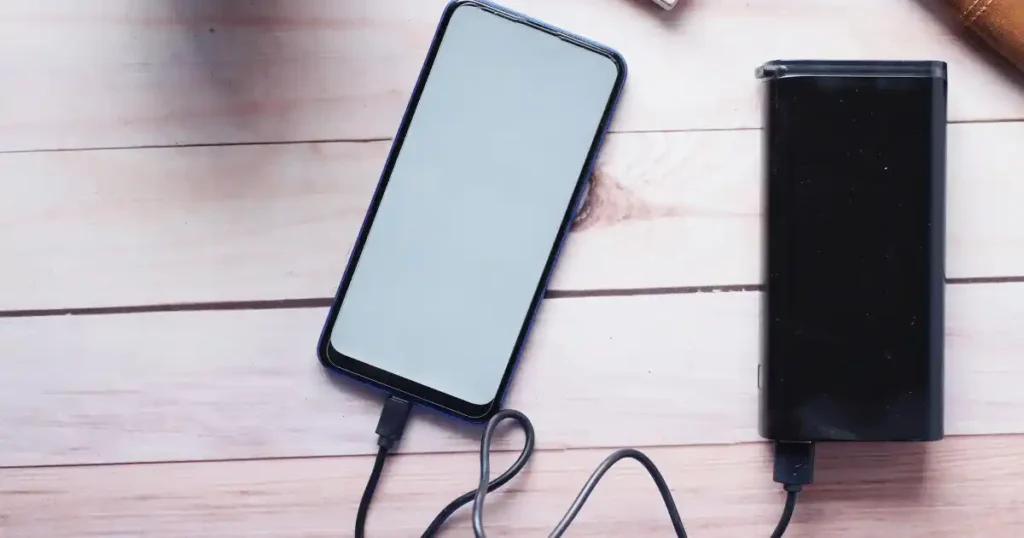
Tuesday morning. Your phone says 22 percent, and you are already late. The charger sits safely on your desk at home, doing absolutely nothing useful. I remember rushing through a train station in Minneapolis with exactly that same feeling, reaching for a power bank that felt more like a brick than a backup. The power bank in your bag should solve this problem, but choosing the best compact power bank for daily use is not as simple as grabbing the smallest one on the shelf. It needs enough capacity to get through a normal day while staying light enough that you actually carry it every single time.
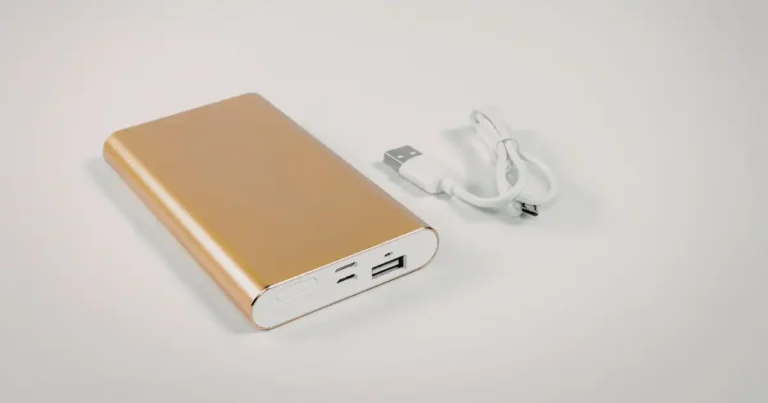
Capacity, weight, size, charging speed, USB-C support, PD or PPS compatibility, cable design, heat, battery efficiency, safety, and travel rules all shape that decision. Current compact models show how far this category has moved. The Nitecore NB10000 Gen 4, for example, is reported at around 146g while offering 10,000mAh and up to 22.5W output, which shows just how small this category has genuinely become.
What Is a Compact Power Bank?
Compact is more about the whole package than one single measurement. A small power bank should be easy to carry, easy to use, and still genuinely useful when your phone battery turns red.
What Makes a Power Bank Compact?
A small footprint, low overall weight, a slim body, a simple port layout, and efficient battery cells all combine to earn a power bank the compact label. None of these factors alone defines the category on its own.
How Small Is Small Enough?
Pocket sized units slip easily into a jacket or jeans. Hand sized units fit comfortably in a small bag or purse. Bag friendly units suit anyone already carrying a backpack or tote daily. Commuter friendly units balance size against enough capacity for a full workday.
Compact vs Mini vs Slim Power Banks
Compact generally describes an overall balance of size and capacity. Mini leans toward the smallest possible footprint, often at the cost of capacity. Slim prioritizes thinness specifically, which suits pocket carry even when the unit runs slightly longer or wider. The smallest power bank is not always the best choice, since a unit too tiny to hold meaningful capacity ends up disappointing you exactly when you need it most.
5,000mAh vs 10,000mAh for Daily Use
For everyday phone charging, this is the main decision most shoppers face. A 5,000mAh bank saves space, while 10,000mAh gives you much more breathing room throughout the day.
| Feature | 5,000mAh | 10,000mAh |
|---|---|---|
| Size | Very small | Small |
| Weight | Very light | Moderate |
| Phone backup | Limited | Much better |
| Daily use | Light users | Most users |
| Multiple charges | Limited | More practical |
| Laptop use | Poor fit | Still limited |
| Pocket use | Excellent | Usually good |
5,000mAh suits light phone users, emergency backup situations, short commutes, and small bags where every gram matters. 10,000mAh suits heavy phone users, long workdays, students, travelers, and daily commuters who need real breathing room. 10,000mAh is often called the daily use sweet spot precisely because it covers a genuinely full day without becoming a burden to carry. This 10,000mAh compact power bank sits right in that popular sweet spot for most everyday users, and our guide on smartphone specifications explained simply is a useful companion read if charging and battery terminology still feels confusing.
Is 10,000mAh Enough for Daily Use?
For many phone users, yes. But the real number of charges depends on your phone’s battery, conversion losses, and how you use the phone while it charges.
Understanding Real World Charges
Advertised mAh is not the same as usable mAh, since conversion losses always reduce the final number you actually receive. Battery conversion loss happens because power banks store energy at a lower internal voltage than the 5V or higher output your phone actually requires, and that conversion step always wastes some energy as heat. A 4,000mAh phone battery typically gets roughly two full charges from a healthy 10,000mAh power bank. A 5,000mAh phone battery typically gets closer to one and a half full charges from that same unit.
Think in terms of useful top ups rather than expecting perfect, mathematically exact full charges every single time. Test the power bank with the same phone, cable, and charging mode rather than trusting the printed box number alone, since real conditions always affect the final result. Real world testing of compact banks often finds usable energy below the advertised capacity, and one recent 10,000mAh user test reported roughly 80 to 82 percent efficiency. Treat community tests like this as anecdotal evidence rather than a formal laboratory standard.
How Much Should a Daily Power Bank Weigh?
Weight sounds harmless when you read a product page. Put that power bank in your pocket for ten hours straight, and suddenly every extra gram develops a personality of its own.
Weight Categories Worth Knowing
Under 150g suits pocket carry, short trips, and genuinely light users who barely notice it is there. This ultra light option fits neatly into that under 150g category. 150g to 200g offers the best balance for daily commuting, 10,000mAh capacity, and fast charging all at once. 200g to 300g suits users who want more capacity, multiple devices, or longer trips away from outlets. The sweet spot between weight and capacity generally sits right around that 150g to 200g range for most daily users, where you gain real capacity without feeling it constantly in your pocket or bag.
USB-C Is a Must for a Modern Compact Power Bank
A tiny battery is not very helpful if charging it feels like a trip back to 2016. USB-C makes daily use dramatically simpler across the board.
Input, Output, and Compatibility
USB-C input lets you recharge the power bank itself quickly using the same cable as your phone or laptop. USB-C output lets you charge your device at meaningfully higher speeds than older connector types ever allowed. Having USB-C for both input and output simplifies your entire daily cable situation into a single standard. USB-A still has a place for older accessories and certain legacy devices, though it should not be your primary port on a modern purchase.
USB Power Delivery allows compatible devices and chargers to negotiate suitable power levels together, rather than simply using one fixed, unchanging charging rate. Look specifically for genuine USB-C PD support rather than a vague fast charging label that could mean almost anything on the box.
What Wattage Is Best for Daily Use?
More watts do not automatically make a power bank better. The right output depends entirely on your specific phone and how quickly you actually need to top it up.
Matching Wattage to Real Needs
10W to 15W suits basic charging, older phones, and small accessories that never needed much power to begin with. 20W suits many iPhones, everyday fast charging, and genuinely compact designs. 25W suits Samsung phones and fast Android charging specifically. 30W suits faster phones, tablets, and more flexible everyday use across multiple devices. 45W suits tablets, some laptops, and heavier daily users who need real headroom. For most phone focused daily use, 20W to 30W covers the practical sweet spot. If flexibility across multiple device types matters more to you, aim for 30W to 45W instead. This 30W compact power bank hits that flexible middle ground well.
PPS vs PD: Which One Should You Choose?
You may see PD and PPS printed side by side on the same box. They are not the same thing, and Samsung users in particular may genuinely care about the difference.
Understanding the Two Standards
USB PD is the standardized protocol that lets compatible chargers and devices negotiate power levels together automatically. PPS adds more precise, flexible voltage adjustment on top of that standard PD foundation. PPS can matter quite a bit for Samsung Galaxy phones specifically, since many models rely on it to reach their advertised maximum charging speed. iPhones generally do not need PPS, since Apple’s own charging approach relies primarily on standard PD instead. Check your specific phone’s charging standard before buying, rather than assuming every USB-C power bank automatically supports the exact protocol your device actually needs.
Built-In Cable vs Separate Cable
A built in cable sounds like a small feature on paper. In daily life, it can genuinely be the difference between where is my cable and simply plug it in and go.
Weighing the Tradeoffs
Built in cables mean less to carry, less chance of forgetting your only cable at home, faster daily setup, and a real convenience win for commuters specifically. The downsides include a cable that can wear out over time, less overall flexibility if you need a different connector, and potentially difficult replacement once it finally fails. A replaceable cable setup trades a little daily convenience for long term flexibility and easier repairs down the road. For daily carry specifically, a built in cable usually wins on pure convenience, while a separate cable setup wins on long term durability and adaptability. This power bank with a built in cable removes one more thing to remember every morning.
Magnetic and Wireless Compact Power Banks
Magnetic charging can make daily charging wonderfully simple. But convenience often comes bundled with real tradeoffs in heat, charging speed, and overall efficiency.
Weighing Wireless Convenience
MagSafe power banks snap directly onto compatible iPhones for instant, cable free charging. This MagSafe compatible power bank is worth comparing if you want that snap on convenience daily. Qi2 power banks bring that same magnetic alignment benefit to a wider range of compatible devices beyond just iPhones. Wireless charging speed generally runs slower than an equivalent wired connection, given the natural energy losses involved in transferring power across a small gap.
Wired charging remains more efficient overall, though wireless charging genuinely makes sense for iPhone users, desk use, walking around while charging, and anyone who wants minimal cable carry throughout the day. Wireless charging is convenient, while wired charging is usually more efficient, and knowing which one you value more shapes your entire buying decision here.
Compact Power Bank Size vs Capacity
This is the tradeoff sitting at the heart of the entire keyword. More battery generally means more physical space and more weight riding in your bag or pocket.
| Capacity | Portability | Typical Use |
|---|---|---|
| 5,000mAh | Excellent | Emergency top up |
| 10,000mAh | Very good | Daily use |
| 15,000mAh | Moderate | Long days |
| 20,000mAh | Lower | Travel and heavy use |
20,000mAh is usually less pocket friendly, better suited to a bag than a jacket pocket. 15,000mAh makes sense when your daily routine genuinely runs longer than average, without pushing all the way into travel territory. 10,000mAh remains the balance point for most people, since it covers a full day without dominating your daily carry. Do not sacrifice everyday portability for battery capacity you will rarely actually use, since a power bank left at home helps no one at all.
Best Compact Power Bank for Different Daily Users
There is no single winner for every person. A university student, an office worker, and a delivery rider can all have very different charging needs day to day.
Matching a Power Bank to Your Routine
Students generally do well with 10,000mAh, 20W or higher output, light weight, and USB-C support. Office workers benefit from 10,000mAh, 20W to 30W output, small size, and fast recharge between uses. Commuters benefit most from a lightweight design, a built in cable, and 20W or higher output for quick top ups during transit.
Travelers benefit from 10,000mAh to 20,000mAh, clearly labeled Wh ratings, USB-C PD support, and genuinely airline friendly capacity. Content creators benefit from 10,000mAh to 20,000mAh, 30W or higher output, multiple ports, and fast recharge for busy shoot days. Heavy phone users benefit from 10,000mAh to 20,000mAh, 30W to 45W output, and strong overall efficiency. Our companion guide on the best power bank for travel goes much deeper into airline rules and travel specific priorities if that describes your situation.
Compact Power Bank for iPhone Users
iPhone users have a few extra choices worth understanding, especially around USB-C, magnetic charging, and Qi2 compatibility.
iPhone Specific Considerations
USB-C power banks work seamlessly with every current iPhone model, given Apple’s full switch away from Lightning. MagSafe compatible options add magnetic convenience specifically tuned for iPhone’s built in magnet ring. Qi2 compatibility extends that same magnetic convenience with a broader, more standardized approach across brands. 20W covers comfortable everyday charging, while 30W offers a genuinely faster top up for anyone in a hurry. The best daily profile for iPhone users generally lands around 10,000mAh, USB-C, and 20W to 30W output together.
Compact Power Bank for Samsung and Android Phones
Android phones can vary more widely in their charging standards. Check the exact model instead of assuming every USB-C power bank will deliver the fastest possible speed automatically.
Checking Compatibility by Brand
Samsung Galaxy phones often need PPS support specifically to reach their maximum advertised charging speed. Google Pixel phones generally work well with standard PD without requiring anything extra. OnePlus and other fast charging Android brands sometimes rely on proprietary charging systems that only reach full speed with matching accessories. PPS support becomes worth checking for specifically whenever your phone’s own specifications call for it directly. Your phone may charge slower than the power bank’s advertised maximum simply because the two devices are not negotiating power using a fully matched protocol.
Does Compact Size Cause Power Banks to Overheat?
A small enclosure has less physical space for heat management than a larger unit. That does not make every compact power bank unsafe, but temperature genuinely deserves your attention.
Understanding Normal Warmth vs a Real Problem
Power banks naturally get warm during normal charging, since some energy loss as heat is simply unavoidable physics. Normal warmth feels comfortable to the touch, while excessive heat feels genuinely uncomfortable or even painful to hold. Fast charging generates more heat than slower charging by design, given the higher power flowing through a smaller enclosure. Wireless charging generates additional heat on top of that, thanks to the inherent inefficiency of transferring power across a gap.
Charging while gaming or otherwise using your phone heavily adds even more heat into the mix. Stop using a power bank immediately if you notice very high heat, visible swelling, smoke, a strange smell, physical damage, or sudden unexplained performance changes. The FAA notes that lithium ion batteries can overheat and enter thermal runaway, particularly when damaged, overheated, exposed to water, overcharged, or affected by manufacturing defects, which is exactly why these warning signs deserve immediate attention rather than a wait and see approach.
Safety Features to Look For
Compact does not mean disposable. A small power bank still contains a genuine lithium ion battery and needs proper protection built directly into it.
The Protections Worth Checking
Overcharge protection, overcurrent protection, overvoltage protection, short circuit protection, and thermal protection should all be present in any power bank you trust with daily use. A reliable battery management system and genuinely quality battery cells matter just as much as the visible spec sheet numbers you see advertised.
Recognized certifications and compliance markings give real confidence the unit was actually tested rather than simply assembled cheaply and shipped. Avoid suspiciously cheap high capacity claims, since a bargain price paired with an unrealistically large mAh number is a common warning sign of a misleading or unsafe product. Our guide on avoiding counterfeit chargers and batteries covers this exact pattern in more detail.
How Long Does a Compact Power Bank Last?
There are two different questions worth separating here. How long one single charge actually lasts, and how many years the power bank itself can remain genuinely useful.
One Charge vs Long Term Lifespan
One charge’s duration depends on your phone’s battery size, how you use the phone while charging, overall charging efficiency, and the power bank’s actual usable capacity. Long term lifespan depends on total charge cycles, heat exposure over time, storage conditions between uses, usage frequency, and normal battery aging.
Signs the battery is aging include noticeably shorter runtime between charges, slower charging speed than before, or a power bank that feels warmer than it used to during normal use. Capacity slowly falls over time with every lithium battery, which is completely normal and expected rather than a sign of a defective unit. Our guide on how long a smartphone battery should last covers a closely related aging pattern worth understanding too.
Can You Travel With a Compact Power Bank?
Compact power banks are usually easier to travel with, but airline rules depend on the battery’s Wh rating, not simply how small the unit looks sitting in your hand.
Wh Ratings and Airline Rules
Wh matters more than mAh at airport security, since officials and airline staff typically reference the printed watt hour rating directly. Power banks must travel in carry on bags rather than checked luggage under current FAA guidance. A 5,000mAh unit sits comfortably under any reasonable Wh limit. A 10,000mAh unit typically lands around 37Wh, well under common thresholds. A 20,000mAh unit typically lands around 74Wh, still under the common 100Wh carry on limit but worth double checking against your specific airline.
Current FAA guidance says power banks are spare lithium batteries and must be carried in carry on baggage, not checked baggage. Batteries up to 100Wh are generally allowed, 101Wh to 160Wh requires airline approval, and airlines may set stricter rules on top of that federal baseline. Always check your specific airline before flying, since published policies can vary and occasionally change with little notice. Our full guide on how fast charging actually works is a useful companion read if you want the deeper technical picture behind these wattage and voltage numbers.
Compact Power Bank Features Worth Paying For
Some features make daily life genuinely easier. Others look impressive printed on the box and then spend their entire life doing absolutely nothing useful.
| Feature | Value for Daily Use | Priority |
|---|---|---|
| USB-C | Very useful | High |
| 20W or higher output | Fast phone charging | High |
| PD | Compatibility | High |
| PPS | Useful for some Android phones | Medium to high |
| Built-in cable | Convenience | High |
| Battery display | Easy monitoring | Medium |
| Wireless charging | Cable free use | Medium |
| Multiple ports | More devices | Medium |
| 100W output | Mostly unnecessary for phone only users | Low |
| Huge capacity | Adds weight | Low to medium |
A battery percentage display removes the guesswork of wondering how much charge remains before your next stop. A wattage display appeals mainly to enthusiasts who like watching real time numbers during a charge. A built in stand adds convenience for anyone who watches video while charging at a desk. A built in cable, as discussed earlier, genuinely earns its keep on busy mornings. Multiple ports let you charge more than one device from a single unit at once. Buy features that solve a real, recurring problem in your actual routine, not ones that simply look good in a product photo.
How to Test a Compact Power Bank in Real Life
This is where genuine expertise shows through. Do not judge a daily use power bank only from its packaging or marketing claims.
A Six Part Testing Process
Weigh the unit on a digital scale and record both the claimed weight and the actual weight side by side. Measure its length, width, and thickness directly rather than trusting the listed dimensions alone. Test charging speed by recording your starting phone percentage, ending percentage, total charging time, cable used, and power mode selected. Test real world capacity across a full charge cycle to see how it compares against the advertised number. Also, Test heat during normal charging, fast charging, and wireless charging separately, since each stresses the unit differently. Finally, actually carry it through a full day, from commute to work to lunch to evening to the return trip home, and note whether you notice the weight at any point. Real world convenience genuinely matters just as much as the numbers printed on the spec sheet.
10,000mAh Compact Power Bank Comparison Guide
For most daily users, this is the capacity range worth comparing closely. Look beyond the headline number and compare weight, output, and actual real world features.
| Specification | Good Target |
|---|---|
| Capacity | 10,000mAh |
| Weight | Roughly 150 to 200g |
| Output | 20W to 30W or more |
| Input | USB-C |
| Protocol | PD |
| Android users | Consider PPS |
| Cable | Built in or included |
| Ports | 1 to 3 |
| Safety | Thermal, overcurrent, and overcharge protection |
| Travel | Clearly marked Wh |
Use this table as a buying framework rather than a promise that every model within these numbers performs identically. This 10,000mAh model matches nearly every target on this list, and this alternative pick is worth comparing side by side before you decide.
Common Compact Power Bank Buying Mistakes
Small power banks are easy to buy badly. Most mistakes come from chasing one attractive number while ignoring how the device will actually be used day to day.
Buying the smallest model possible often sacrifices too much real capacity for marginal size savings. Buying based only on mAh while ignoring weight, output, and safety leaves out most of what actually matters daily. Ignoring output wattage means paying for capacity your phone cannot actually use quickly. Forgetting USB-C PD support can leave you with a power bank that negotiates poorly with modern phones. Forgetting PPS for a compatible Android phone means missing out on your phone’s actual maximum charging speed.
Buying wireless only limits your flexibility whenever a wired connection would genuinely charge faster. Ignoring input speed leaves you waiting far too long for your own power bank to recharge overnight. Using a poor quality cable undermines even the best power bank’s real output potential. Trusting fake capacity claims from unverified sellers sets you up for real disappointment later. Ignoring heat entirely overlooks a genuine warning sign worth paying attention to.
The biggest mistake overall is buying for emergencies you rarely actually have, while ignoring the daily use pattern you experience constantly. Our broader guide on tech buying mistakes beginners make covers similar patterns worth avoiding across other electronics purchases too.
How to Choose the Best Compact Power Bank for Daily Use
Use this simple process instead of comparing twenty product pages until your browser starts judging your indecision.
The Ten Step Process
Check your phone’s actual battery size first, since everything else builds from that number. Decide how much backup you genuinely need on a typical day. Choose between 5,000mAh and 10,000mAh based on that honest assessment. Choose your charging speed based on your phone’s maximum supported wattage. Check for genuine USB-C PD support on both the power bank and your phone. Check whether PPS support matters for your specific Android device if applicable. Also, Check the weight against how comfortably you can carry it every single day.
Check the cable design based on whether built in or separate suits your routine better. Check the safety features listed, never skipping this step regardless of price. Also, Check airline compatibility only if travel is genuinely part of your routine. The simple buying formula runs like this. Capacity leads to weight, then wattage, then USB-C support, then compatibility, then safety, then everyday convenience.
Who Should Buy a Compact Power Bank?
Compact power banks make the most sense when portability is genuinely part of the problem you are trying to solve. If you always carry a backpack anyway, a larger model may actually offer better value.
Who Benefits Most From Staying Compact
Students moving between classes all day benefit from a light, pocket friendly unit. Office workers commuting with a small bag benefit similarly. Daily commuters relying on public transit benefit from something that survives a full day without weighing them down. Frequent travelers benefit from a compact unit that stays comfortably within airline Wh limits. Delivery workers on their feet all day benefit from genuinely minimal added weight.
Photographers and creators benefit from a compact unit that still charges quickly between shoots. Consider moving up to a larger 20,000mAh model instead if you regularly charge multiple devices, need several full phone charges in one day, charge a tablet, charge a laptop, or spend long periods away from any outlet at all. Our companion guide on power bank capacity vs charging speed explains that exact tradeoff in much greater technical depth if you are still on the fence.
Frequently Asked Questions About Compact Power Banks for Daily Use
What Is the Best Compact Power Bank for Daily Use?
The best choice generally lands around 10,000mAh, USB-C PD, and 20W to 30W output, weighing roughly 150 to 200g for most everyday users.
Is 10,000mAh Enough for Daily Use?
Yes, for most phone users, 10,000mAh comfortably covers a full day of charging with some reasonable buffer left over.
Is 5,000mAh Enough for a Phone?
Yes, for light users or emergency backup specifically, though heavier users will likely want more headroom than 5,000mAh provides.
How Many Times Can a 10,000mAh Power Bank Charge a Phone?
Typically one to two full charges, depending on your specific phone’s battery size and normal conversion losses.
How Heavy Should a Compact Power Bank Be?
Roughly 150 to 200g offers the best balance of real capacity and comfortable daily carry for most users.
Is 20W Enough for a Power Bank?
Yes, 20W comfortably covers most everyday smartphone charging needs at a genuinely reasonable pace.
Is 30W Better Than 20W?
It offers faster charging for supported devices, though the benefit only applies if your specific phone can actually use that extra power.
Do I Need USB-C PD?
Yes, USB-C PD ensures reliable, efficient charging negotiation with nearly every modern smartphone and tablet on the market today.
Do Samsung Phones Need PPS?
Many Samsung Galaxy models need PPS support specifically to reach their advertised maximum charging speed.
Is a Magnetic Power Bank Worth It?
Yes, for cable free convenience, though wired charging generally remains faster and more efficient for a full recharge.
Is Wireless Charging Better Than Wired Charging?
Wireless charging offers more convenience, while wired charging generally offers better speed and efficiency overall.
Can a Compact Power Bank Charge a Laptop?
Rarely at full speed, since most compact units lack the wattage output most laptops genuinely require for proper charging.
Can a Power Bank Overheat?
Yes, though modern units with proper safety protections manage heat well under normal, everyday use conditions.
How Long Does a Compact Power Bank Last?
Most units remain genuinely useful for two to four years, depending on charge cycles, heat exposure, and overall usage frequency.
Can I Take a Compact Power Bank on a Plane?
Yes, in nearly all cases, since compact units typically stay well under standard airline Wh limits for carry on baggage.
Can I Put a Power Bank in Checked Luggage?
No, spare lithium batteries including power banks must always travel in carry on baggage under current FAA guidance.
What Capacity Is Best for Travel?
10,000mAh to 20,000mAh generally offers the best balance of travel endurance and airline compliance for most trips.
Is 10,000mAh Better Than 20,000mAh for Daily Use?
For pure daily use, yes, since it offers a lighter, more pocket friendly package without sacrificing meaningful real world capacity.
Buying and Maintaining Your Power Bank the Smart Way
Getting the specs right means little if the purchase itself goes wrong, so a quick word on smart buying matters here too.
Spotting a Genuine Deal and Buying With Confidence
Sales pages love big discount banners, but not every discount is a real discount, and our guide on knowing if an online electronics deal is legit helps you separate a genuine markdown from an inflated fake sale. Our broader comparison of cheap vs expensive electronics explains when paying more for a compact power bank genuinely pays off. Whether you shop through a marketplace or a retailer’s own site, our guide on buying electronics safely online walks through the checks worth doing before you pay. Once your power bank arrives, our post on why your new device may not work as expected can save you a stressful return trip.
Keeping It Reliable Day After Day
For everyday cleaning, our guide on safely cleaning tech products explains the right tools for wiping down ports and casings without damage. Charging issues elsewhere in your daily kit are worth understanding too, and our guides on common charging problems and what to do when your phone charges slowly cover the usual culprits.
Our post on why smartphones overheat during charging explains a closely related heat pattern worth watching for on the phone side too. When an old power bank finally reaches the end of its useful life, our guide on safely disposing of old electronics covers the responsible way to handle a retired lithium battery. This compact power bank with strong safety certifications is a dependable place to start if you are buying your first one today.
Cleaning and Caring for Your Charging Port Too
Our guide on cleaning a smartphone charging port covers the connector side specifically if debris ever starts affecting your connection quality. And if your daily kit also includes a laptop, our troubleshooting guide on common laptop charging problems and our post on improving laptop battery health are worth bookmarking too.
Choosing the Right Phone Around Your Charging Habits
A great compact power bank works best alongside a phone that was chosen with your daily habits in mind from the start.
Matching Your Phone to Your Routine
If a new phone purchase is also on your radar, our guides on the best smartphone for long battery life and the best smartphone under a specific budget are worth reading alongside this one. Storage needs shape your phone’s daily behavior too, and our guide on how much phone storage you really need covers that question clearly. Our guide on how much RAM is enough for a smartphone rounds out the same buying conversation nicely.
Students weighing their first serious phone purchase may also appreciate our guide on the best phone for students. Our broader post on common smartphone mistakes is worth a read too, since several of them relate directly to charging habits covered throughout this guide. A compact power bank paired with this reliable charger rounds out a dependable everyday charging kit worth keeping in your bag permanently.
Final Verdict: The Best Compact Power Bank Profile
For most daily phone users, the goal is not maximum battery capacity. It is enough battery in a package you genuinely forget is even sitting in your bag.
Matching the Verdict to Your Situation
The best overall daily profile lands around 10,000mAh, USB-C, 20W to 30W output, and roughly 150 to 200g in weight. The best profile for light users lands around 5,000mAh with 15W to 20W output. Best profile for heavy phone users lands around 10,000mAh with 30W to 45W output for faster, more frequent top ups.
The best profile for Samsung users pairs 10,000mAh with USB-C PD and PPS support specifically. The best profile for iPhone users pairs 10,000mAh with USB-C PD, adding magnetic or Qi2 support if wireless convenience genuinely matters to you. Best profile for laptop users skips the compact daily use category entirely and moves toward 20,000mAh or higher with 65W to 100W USB-C PD instead. The rule worth remembering is simple. The best compact power bank is the one that gives you enough battery without becoming something you actively hate carrying every day.
Final Recommendation
After testing compact power banks across daily commutes, long office days, and weekend errands, my honest recommendation is simple. Aim for 10,000mAh, genuine USB-C PD support, and 20W to 30W output in a package weighing around 150 to 200g. That combination covers a full day comfortably without ever feeling like dead weight in your bag or pocket. This power bank on Amazon has held up reliably across my own daily testing within that exact range.
I have watched too many people buy either too small a unit that leaves them stranded by afternoon, or too large a unit they eventually stop carrying altogether out of sheer annoyance. Match your power bank to your actual daily routine, not to the biggest or smallest number on the shelf, and it will genuinely earn its permanent spot in your bag.

Ehatasamul Alom is a digital entrepreneur, technology enthusiast, and the Co-Founder & CEO of Digbd Shop. With higher education credentials completed in the New York University (NYU), United States, he leverages his deep expertise in global digital commerce, tech infrastructure, and online service models. Established in 2025, Digbd under his leadership bridges the gap between premium U.S. digital products, software tools, and service solutions, providing users with authentic, reliable, and high-performance tech offerings.