How Much Laptop Storage Is Enough? A Simple Guide

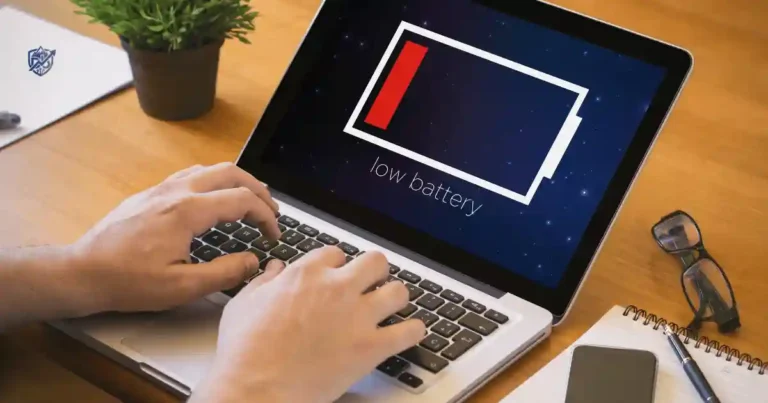
Sitting in a coffee shop in New York, I watched a student stress over a full drive pop-up. Her screen froze right before class. Understanding how much laptop storage is enough saves you from this exact panic. A 256GB drive works well for light daily tasks. A 512GB SSD fits most users best. A 1TB drive suits gamers and creators. A 2TB drive handles heavy pro workloads. Your storage holds your operating system, apps, games, photos, videos, downloads, and work files.
Future system updates also eat up space over time. Drive makers show total space, but usable free space is always lower. Microsoft reserves storage for Windows system files and recovery data. A student with video lectures, a remote worker with PDFs, or a gamer downloading a 150GB game all need different drive space. This guide shows you the right drive size for your real daily needs.
How Much Laptop Storage Is Enough?
Finding how much laptop storage is enough depends on your habits. There is no single storage size that fits every person. Your choice comes down to what you save locally, how often you download big files, and if you use cloud drives.
Quick Answer: 256GB, 512GB, 1TB, or 2TB?
Here is a quick look at drive sizes to help you decide fast:
| Laptop Storage | Best For | Overall Verdict |
| 128GB | Very light use | Usually too small |
| 256GB | Basic users | Minimum practical choice |
| 512GB | Most users | Best overall balance |
| 1TB | Gamers and creators | Great for heavy use |
| 2TB | Professionals and large libraries | Best for local storage |
| 4TB+ | Specialized workloads | Only for specific needs |
Is 256GB Enough for a Laptop?
A 256GB drive works well if you mostly browse the web. It handles Microsoft Office, Google Workspace, email, and video streaming with ease. Students who do light work and rely on cloud drives can get by on this size. People who rarely save large media files locally will find it fits their budget.
However, a small drive gets full fast. Big Windows updates take up extra room. Installing apps, saving photos, and downloading videos quickly cuts into your free space. Modern games and offline files will make a 256GB drive feel very tight.
Is 512GB Enough for Most People?
A 512GB SSD is the sweet spot for average users. It gives you plenty of room for everyday apps, school projects, and work files. You can keep your personal photo albums and video clips without stressing about red warning bars.
Choosing 512GB helps your laptop last for years. You will not need to delete downloads every week just to install a basic update. It offers a great balance between cost and everyday peace of mind.
Do You Need 1TB of Laptop Storage?
A 1TB drive is ideal for gamers with large game libraries. Photographers, video editors, and coders also benefit from this size. It easily holds heavy software packages, raw media files, and local code projects.
Having 1TB gives you years of breathing room. You can store high-resolution movies and large game downloads without worry. It is the best choice if you prefer keeping everything directly on your device.
Who Actually Needs 2TB or More?
- Professional video editors working with 4K or 8K media.
- Photographers with massive libraries of RAW images.
- 3D artists and animators managing huge project assets.
- Music producers building giant sound sample banks.
- Software developers running several virtual test systems.
- Gamers who keep dozens of AAA titles ready to play.
What Uses Up Laptop Storage?
Drive space disappears much faster than most people expect. Your operating system takes up room on day one, and daily use fills the rest.
Operating System and System Files
Windows and macOS require significant space just to boot up. System files, hidden recovery partitions, and OS updates use up drive space instantly. Microsoft also sets aside reserved storage so future updates install without crashing your system.
Apps and Software
Productivity suites like Microsoft 365 and Adobe Creative Cloud take up several gigabytes. Web browsers expand as they save cache data. Development environments, video editing software, and CAD tools need even more room to operate smoothly.
Photos and Videos
Backing up smartphone camera rolls eats up local storage fast. High-resolution photos and RAW files take up substantial space. Video files in 1080p or 4K consume gigabytes in minutes, especially if you record screen clips or personal vlogs.
Games
Modern AAA games are huge installation files. Single titles often require 100GB to 150GB of free space. Add DLC packs, patch updates, and game launchers, and a small drive fills up after just two or three game installs.
Downloads and “Temporary” Files
Your web download folder gathers files silently. Unextracted ZIP archives, software installer packages, duplicate documents, and offline media files pile up over time. These forgotten files quietly steal precious gigabytes from your primary drive.
The Storage You Forget About
Browser caches, old setup files, and filled Recycle Bins eat up space. Hidden app data, local backup folders, and chat attachments also clog your SSD. Cleaning these out regularly helps free up hidden capacity.
How Much Storage Does a Laptop Need for Everyday Use?
Basic daily tasks do not require a massive SSD. But you still need enough room so one media folder does not trigger low-space warnings.
Storage for Web Browsing and Streaming
A 256GB drive handles general browsing and web streaming easily. Sites like Netflix, YouTube, and Spotify stream data without filling your drive. Your browser cache uses a small amount of room, but it rarely causes storage issues on its own.
Storage for Microsoft Office and Productivity
Office apps like Word, Excel, and PowerPoint use very little drive space. Storing PDFs, text documents, and spreadsheets takes up minimal room. A 256GB to 512GB drive holds thousands of work files with space to spare.
Storage for Remote Workers
Remote work requires space for communication apps like Teams, Zoom, and Slack. Local downloads, call recordings, work screenshots, and cloud sync folders add up. A 512GB drive keeps remote workers running smoothly without storage alerts.
Storage for Students
- Saving research papers, class notes, and PDF textbooks.
- Downloading recorded video lectures for offline study.
- Installing basic coding tools or design software.
- Storing personal photos and group project files.
- Recommended range: 512GB for a stress-free college experience.
Best Storage for Basic Users
While 256GB can work for light tasks, a 512GB drive offers better everyday breathing room.
How Much Storage Do You Need for Gaming?
Gaming pushes laptop drives to their limits fast. While one small game is easy to store, keeping five modern games installed requires a much larger SSD.
Is 256GB Enough for Gaming?
A 256GB SSD is not ideal for modern PC gaming. After Windows takes its share, you may only have 180GB of usable space left. That is barely enough for one large game title alongside your essential daily software.
Is 512GB Enough for Gaming?
A 512GB drive works for casual gamers who play lightweight or older games. You can keep a few popular titles installed at once. However, you will need to uninstall older games when new updates arrive.
Is 1TB Enough for Gaming?
A 1TB drive is the best starting point for active gamers. It holds your operating system, daily apps, and several large games at the same time. You will not have to re-download games constantly on slow internet connections.
When Gamers Should Choose 2TB
Pick a 2TB SSD if you keep a massive Steam library installed locally. It offers space for large AAA titles, custom game mods, and high-definition gameplay recordings without running out of room.
Does More SSD Storage Increase Gaming FPS?
Drive capacity does not increase your frame rates in games. SSD speed helps games load faster, but your CPU and graphics card dictate game performance. Extra storage simply lets you store more games locally.
Gaming Storage Recommendation Table
Here is a quick look at storage needs for different gaming habits:
| Gaming Style | Recommended Storage |
| Casual gaming | 512GB |
| Regular gaming | 1TB |
| Heavy AAA gaming | 1TB to 2TB |
| Gaming and recording | 2TB |
| Huge local game library | 2TB+ |
How Much Laptop Storage Do Students Need?
Students start with simple documents but end up with an array of files. PDFs, slide decks, class recordings, and specialized tools fill up drives quickly over a four-year degree.
Storage for High School Students
A 256GB to 512GB drive is plenty for high school needs. Most classwork relies on web browsers, cloud docs, and simple PDF files. This range leaves room for personal photos and school projects.
Storage for College Students
A 512GB SSD is the ideal pick for college. It holds research databases, large lecture videos, and offline course materials. You get plenty of local space even when syncing files with Google Drive or OneDrive.
Storage for Engineering and Design Students
Engineering and design courses require heavy software tools like AutoCAD, MATLAB, or SolidWorks. These programs need significant installation space and create large project files. A 512GB to 1TB drive keeps these tools running without hitch.
Storage for Computer Science Students
Coding students need space for development tools, code libraries, and database systems. Running Docker environments or virtual test machines eats up local space quickly. A 512GB to 1TB drive provides the capacity needed for coding projects.
The Student Who Thinks “I’ll Just Use Google Drive”
Cloud storage is great, but offline access still requires local drive space. Cloud sync folders mirror files straight onto your hard drive. Without reliable internet, local storage is essential for getting work done.
How Much Storage Do You Need for Work and Business?
Workplace storage needs vary by job role. An accountant managing spreadsheets needs much less room than a video editor handling raw camera footage.
Office and Administrative Work
Administrative work relies mostly on documents, emails, and small spreadsheets. Most business files live in cloud storage systems today. A 256GB to 512GB drive is plenty for general office duties.
Remote Work
Remote workers handle video meetings, downloaded presentation decks, and shared project files. Keeping local copies of team assets ensures work continues during internet outages. A 512GB drive handles these remote tasks easily.
Business and Data Analysis
Data analysts work with large Excel workbooks, SQL databases, and data sets. Analyzing business information locally requires strong system memory and ample drive space. A 512GB to 1TB SSD fits this workload well.
Programming and Software Development
- Storing multiple code repositories and build folders.
- Installing heavy code editors and software development kits.
- Running Docker containers and virtual machine setups.
- Managing local databases for app testing.
- Recommended: 512GB to 1TB+ for developer systems.
Why Developers Often Need More Space
Developer tools generate thousands of hidden files. Package managers, build files, and container images quietly fill up drives. Having a 1TB drive prevents sudden out-of-space errors during code builds.
How Much Storage Do Photographers and Creators Need?
Creative files are some of the largest data hogs in computing. A single afternoon shooting photos or video creates more data than months of standard office work.
Storage for Casual Photography
Editing family photos and social media pictures does not demand massive space. A 512GB drive easily holds your image organization software and JPEG exports alongside daily apps.
Storage for Professional Photography
Shooting RAW camera files fills up drives at a rapid rate. Professional photographers need room for Lightroom catalogs, Photoshop cache files, and high-res exports. A 1TB to 2TB drive is recommended for serious photo work.
Storage for Video Editing
Video editing requires high-speed local storage to play back clips smoothly. Raw 4K footage, proxy files, and render caches eat through gigabytes in minutes. Serious editors need at least 1TB to 2TB of fast internal SSD space.
Storage for Music Production
Digital Audio Workstations use large sample libraries and virtual instrument plugins. A single high-end piano plugin can take up 50GB of space. Audio producers need 1TB to 2TB of storage for seamless track creation.
Storage for 3D and CAD
3D models, texture packs, and render caches demand substantial drive capacity. Complex architectural CAD drawings also take up major space. Creative pros in these fields should target 1TB to 2TB+ for internal storage.
Creative Workload Storage Table
This table outlines recommended drive capacities for creative fields:
| User Type | Recommended Storage |
| Casual photo editing | 512GB |
| Serious photography | 1TB |
| Professional photography | 1TB to 2TB |
| 1080p video editing | 512GB to 1TB |
| 4K video editing | 1TB to 2TB+ |
| Music production | 1TB to 2TB+ |
| 3D / CAD work | 1TB to 2TB+ |
256GB vs 512GB vs 1TB vs 2TB Storage
Understanding actual usable space makes picking the right drive tier much simpler.
256GB SSD
- Pros: Lower initial cost, fits basic web usage, good for tight budgets.
- Cons: Fills up very fast, little room for games or video, requires careful file management.
512GB SSD
- Pros: Ideal balance for most buyers, holds daily apps and documents easily, comfortable for work and study.
- Cons: Can still get tight if you install multiple large games or edit 4K video clips.
1TB SSD
- Pros: Great for gamers and creative pros, holds large local file collections, future-proofs your laptop.
- Cons: Increases laptop purchase price, unnecessary for simple web browsing.
2TB SSD
- Pros: Massive local storage space, perfect for pro media workflows, holds giant game libraries easily.
- Cons: High cost, overkill for average daily laptop users.
Quick Storage Comparison Table
Here is a summary of all major storage options:
| Storage | Best For | Verdict |
| 256GB | Light users | Budget choice |
| 512GB | Most people | Best overall |
| 1TB | Gamers and creators | Best for heavy use |
| 2TB | Professionals | Large local libraries |
| 4TB+ | Specialized work | Niche requirement |
Why You Should Not Fill Your Laptop SSD Completely
Buying a 1TB SSD does not mean you should fill every last gigabyte. Solid-state drives need free space to manage internal data efficiently and keep running smoothly.
What Happens When Storage Gets Too Full?
- Windows updates fail due to lack of temp space.
- Apps freeze when trying to save temporary cache files.
- Overall system management becomes sluggish.
- Low disk space warnings pop up repeatedly.
Microsoft notes that low disk space can cause system issues. Windows Storage settings show clear breakdowns for apps, temporary files, and reserved space so you can clear out unwanted data easily.
How Much Free Space Should You Keep?
Avoid filling your drive right to the edge. Maintaining tens of gigabytes of free space gives your operating system room for virtual memory and background updates. Keeping a comfortable cushion helps your laptop run reliably.
The “One More Download” Problem
We often tell ourselves we will clean out our downloads folder tomorrow. Then your laptop throws a low storage error right when you need to save an important project. Maintaining extra space saves you from that sudden headache.
Does SSD Speed Matter More Than Storage Capacity?
Fast drive speeds look great in spec lists, but getting enough space should always come first. A super-fast drive does you no good if it is constantly full.
SATA SSD vs NVMe SSD
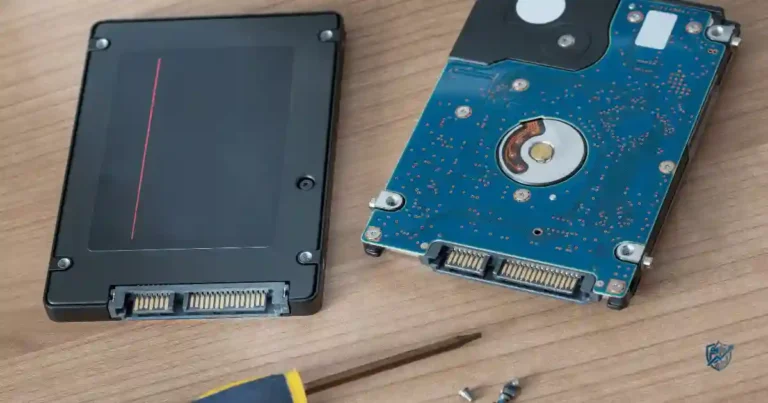
Older SATA SSDs max out around 550MB/s, while newer NVMe SSDs easily pass 3000MB/s. Both technologies make traditional mechanical hard drives feel obsolete. NVMe drives make system boots and file transfers lighting fast.
PCIe 3.0 vs PCIe 4.0 vs PCIe 5.0
Newer PCIe generations double theoretical drive speeds on paper. While heavy video editors notice these faster transfer rates, everyday users rarely feel a difference in basic tasks. Top benchmark scores do not always mean a better daily experience.
Should You Choose a Larger SSD or a Faster SSD?
Prioritize getting adequate capacity over ultra-fast drive speeds. Recent market reports note that drive size matters more than extreme speed for everyday users and gamers. CPU and GPU power have a much bigger impact on actual gaming speeds than SSD generation.
What to Prioritize
- Select enough total drive space for your long-term needs.
- Ensure the laptop uses a fast SSD rather than an old HDD.
- Pick a system with solid CPU and memory hardware.
- Check if the internal drive can be upgraded later.
- Worry about top PCIe speed numbers last.
Laptop Storage vs Cloud Storage: Which Should You Use?
Cloud drives help reduce the clutter on your local drive, but they do not replace built-in storage completely. Combining local storage with cloud tools offers the best overall experience.
When Cloud Storage Can Save Space
Cloud services like OneDrive, Google Drive, iCloud, and Dropbox keep archives off your main drive. They work great for storing old photos, completed school projects, and document backups that you rarely open.
When You Still Need Local Storage
Local drive space is essential when working without internet access. Large application installs, modern games, and high-res video editing require fast local storage to run properly.
Cloud Storage Is Not the Same as Physical Storage
Cloud drives require paid monthly subscriptions and steady internet connections. Local sync folders still use space on your physical drive unless you set them to online-only mode.
Important Buying Warning
Do not confuse cloud storage promotions with real internal drive space. Recent misleading laptop listings show why buyers must check actual SSD hardware specs before making a purchase.
Can You Upgrade Your Laptop Storage Later?
If you are split between 512GB and 1TB, drive upgradeability changes your decision. Laptops with accessible drive slots give you freedom to add space down the road.
Upgradeable SSDs
Many laptops use standard M.2 NVMe SSD slots. These allow you to open the bottom panel and swap in a larger drive whenever your storage needs grow.
Soldered Storage
Thin laptops often solder storage chips directly to the main board. Soldered storage cannot be upgraded later, making it vital to pick the right capacity on day one.
Laptops With a Second SSD Slot
Some gaming laptops and workstations include a second open M.2 slot. This lets you add a second drive easily without reinstalling your operating system.
How to Check Storage Upgradeability
Check manufacturer specification pages or service manuals before buying. Look at the number of M.2 slots and verify whether the drive uses a standard removable card or soldered chips.
The Buying Rule
If storage cannot be upgraded later, buy one tier more capacity today.
How to Choose Laptop Storage Based on Your Budget
Drive capacity is just one factor in a laptop budget. Do not overspend on a massive drive while settling for a weak CPU or a poor screen.
Budget Laptop: 256GB vs 512GB
Stick with 256GB only if your budget is tight and your usage is basic. Upgrade to 512GB if the price jump is small, as it offers much better long-term value.
Mid-Range Laptop: 512GB vs 1TB
512GB is the default standard for mid-range systems. Step up to 1TB if you game frequently, edit media, or store large photo libraries locally.
Premium Laptop: 1TB vs 2TB
Premium laptops should start at 1TB for power users. Professionals managing heavy media assets or local databases should consider 2TB.
The “Balanced Laptop” Rule
- Select a powerful processor first.
- Get enough system memory for multitasking.
- Choose a solid SSD with ample space.
- Pick a dedicated graphics card if you game.
- Ensure screen quality and battery life meet your needs.
Do not buy a weak laptop just because it features a large drive. Balanced hardware performs better overall.
How Much Laptop Storage Do You Need for the Next Five Years?
Laptops are multi-year investments. Your storage choice should account for how software and personal file sizes grow over time.
Buying for Two Years
A 256GB to 512GB drive handles short ownership periods well if your current workload is lightweight.
Buying for Three to Five Years
512GB is the safest baseline for a multi-year laptop purchase. Gamers and creative workers should look at 1TB to avoid running out of room later.
Buying for Long-Term Ownership
Aim for 1TB or ensure the laptop drive is easily upgradeable. Having extra capacity keeps your system fast as software updates grow heavier.
How to Future-Proof Without Overspending
Buy one storage tier above your current minimum needs. Choosing 512GB instead of 256GB gives you cheap insurance against future space issues.
How to Check How Much Storage You Actually Use
Your current computer provides the best blueprint for your next purchase. Checking your active usage numbers beats guessing every time.
Check Storage Usage in Windows
- Open Settings from the Start Menu.
- Click on System and select Storage.
- Review the breakdown showing apps, temp files, and documents.
Windows Storage settings give a clear look at what uses up your space.
Check Storage Usage on macOS
- Open the Apple Menu in the top corner.
- Click System Settings and select General.
- Click Storage to see a color-coded bar of your drive usage.
Find Your Biggest Files
Look in your Downloads folder, video libraries, and old game folders. Unused installers and old media files are usually the biggest culprits behind full drives.
The Simple Calculation
Take your current used space, add expected file growth for two years, and add a 50GB cushion. That total gives you your target SSD size.
USA Expert Advice on Choosing Laptop Storage
Focusing on real usability rather than top specs yields better buying decisions. Match your hardware to how you actually manage files every day.
Expert Perspective: Jason Cipriani
Tech journalist Jason Cipriani emphasizes matching hardware choices to actual everyday workloads. Buyers often waste money on massive drives they never fill, or cheap out on small drives that cause daily headaches. Choose hardware that fits your daily habits.
Practical Expert Buying Advice
- 256GB: Buy only if your usage is light and you use cloud storage.
- 512GB: The best starting point for most new buyers today.
- 1TB: Ideal for gamers, content creators, and power users.
- 2TB+: Choose this only if your work involves large local media files.
Expert-Level Storage Rule
Drive capacity should match your current work, while upgradeability protects your future.
A Real-Life Example: Choosing Storage for a Typical Day
Hardware options make much more sense when you imagine a real day in action.
A Student in Rajshahi
- Browsing research sites for class.
- Reading PDF textbook chapters.
- Typing papers in Word.
- Attending Zoom lectures.
- Syncing files to cloud storage.
- Recommended: 512GB drive space.
A Remote Worker in Dhaka
- Running video calls on Teams.
- Managing large Excel files.
- Downloading client documents.
- Saving work screenshots.
- Managing shared cloud folders.
- Recommended: 512GB drive space.
A Gamer in the USA
- Installing large AAA titles on Steam.
- Chatting on Discord with friends.
- Saving game highlights locally.
- Keeping multiple launchers updated.
- Recommended: 1TB to 2TB drive space.
A Video Creator
- Importing camera footage from SD cards.
- Editing 4K project files.
- Rendering video caches locally.
- Exporting final video files.
- Recommended: 1TB to 2TB+ built-in space plus external drives.
Natural Human Detail
You sit down at your warm desk, watching a progress bar crawl across the screen as a download finishes. You check your system settings and wonder where 180GB went. Yep, games. It was the games.
Common Laptop Storage Buying Mistakes
Avoiding a few common traps saves you from constant file deletion headaches down the road.
Buying 128GB or 256GB to Save a Little Money
Saving twenty dollars today on a tiny drive often leads to years of deleting files just to install basic updates.
Assuming Advertised Capacity Equals Free Space
System formatting, OS partitions, and recovery files eat into total space right out of the box. A 256GB drive only gives you around 200GB of actual free space.
Apple notes that formatted drive capacity on devices always reads lower than advertised numbers because system files and formatting take up space.
Confusing RAM With Storage
System RAM runs your active apps, while SSD storage holds your permanent files. Having 16GB of RAM does not mean you have 16GB of file space.
Confusing Cloud Storage With SSD Storage
Cloud storage plans do not replace built-in drive capacity. You still need physical drive space for apps, system files, and offline usage.
Buying a Huge SSD Instead of a Better Laptop
Do not buy a laptop with a 2TB drive if it comes with a slow processor and low RAM. Balanced hardware is always more important.
Ignoring Upgradeability
Buying a soldered 256GB laptop locks you in forever. If your storage needs grow, you will be forced to buy a whole new device.
The “Big Number” Trap
A laptop listing boasting “1TB Storage!” sounds great, but 1TB of space cannot rescue a system with a weak processor that struggles with basic tasks.
Laptop Storage Recommendations at a Glance
This guide summarizes storage recommendations across user types:
| User Type | Minimum Practical | Recommended | Heavy Use |
| Basic user | 256GB | 512GB | 1TB |
| Student | 256GB | 512GB | 1TB |
| Office worker | 256GB | 512GB | 1TB |
| Remote worker | 256GB | 512GB | 1TB |
| Programmer | 512GB | 1TB | 2TB |
| Gamer | 512GB | 1TB | 2TB+ |
| Photographer | 512GB | 1TB | 2TB+ |
| Video editor | 1TB | 1TB to 2TB | 2TB+ |
| 3D professional | 1TB | 2TB | 4TB+ |
Frequently Asked Questions About Laptop Storage
Is 256GB Enough for a Laptop?
Yes, 256GB works for light tasks, web browsing, and cloud users. However, 512GB is much more comfortable for modern laptops.
Is 512GB Enough for a Laptop?
Yes, 512GB is the best overall storage choice for students, office workers, and average users.
Is 1TB Enough for a Laptop?
Yes, 1TB offers plenty of room for gamers, creative professionals, coders, and power users.
Is 2TB Too Much Laptop Storage?
2TB is unnecessary for basic web browsing, but it is great for 4K video editors, heavy gamers, and large local libraries.
Is 128GB Enough for a Laptop?
No, 128GB is too restrictive for modern Windows laptops. The OS and basic updates fill the drive very quickly.
How Much Storage Does Windows 11 Need?
Microsoft lists 64GB as the minimum system requirement for Windows 11. However, a practical laptop purchase should start at 256GB or 512GB.
How Much Storage Does a Student Need?
A 512GB SSD is recommended for most college students. It easily holds course materials, apps, and personal media files.
How Much Storage Does a Gaming Laptop Need?
1TB is the recommended starting size for gaming laptops. It lets you store several large AAA titles at once.
Should I Buy 512GB or 1TB?
Choose 512GB if you do basic work and study. Step up to 1TB if you play modern games, edit media files, or want extra future-proofing.
Can I Add More Storage to a Laptop Later?
Yes, if your laptop includes an open M.2 slot or replaceable drive. Laptops with soldered storage cannot be upgraded later.
Does More Storage Make a Laptop Faster?
No, drive capacity alone does not make your laptop faster. However, keeping free space on your SSD keeps system operations smooth.
How to Choose the Right Laptop Storage
Follow these simple steps to figure out your ideal drive capacity.
Step 1: Identify Your Main Use
Determine whether your daily usage centers on light web browsing, general work, gaming, coding, or heavy video production.
Step 2: Check Your Current Storage
Look at your current computer to see how much space you use right now and what types of files take up the most room.
Step 3: Decide How Much You Keep Offline
Consider whether you rely heavily on cloud drives or prefer keeping all your files, media, and games saved locally.
Step 4: Check Laptop Upgradeability
Verify whether your prospective laptop features a removable M.2 SSD or permanently soldered storage.
Step 5: Consider How Long You Will Keep It
If you plan to use the laptop for four or five years, buy one storage tier higher to handle growing file sizes.
The Simple Storage Formula
- Light user: 256GB to 512GB
- Most users: 512GB
- Power users: 1TB
- Professionals: 1TB to 2TB+
Final Laptop Storage Buying Checklist
Review this quick checklist before making your final purchase:
Choose 256GB If
- You only browse the web and stream videos.
- You store almost all your files in the cloud.
- You rarely download large games or media files.
- Your budget is strictly limited.
- The laptop allows future drive upgrades.
Choose 512GB If
- You want the best balance of cost and capacity.
- You work or study on your laptop daily.
- You install standard software and keep photos locally.
- You want a stress-free daily experience.
Try/Choose 1TB If
- You play modern games regularly.
- You edit photos or work on coding projects.
- You prefer keeping all files stored locally.
- You want long-term future-proofing.
Choose 2TB+ If
- You work with 4K video or complex 3D renders.
- You keep massive game libraries downloaded.
- You manage large local data archives.
- You need high-capacity internal performance.
Final Decision Rule
For most buyers today, a 512GB SSD is the practical sweet spot. Gamers and creators should aim for 1TB, while heavy media pros need 2TB or more.
Final Recommendation
From my years of testing hardware and helping people choose laptops, I have seen small drives cause endless frustration. For most buyers today, a 512GB SSD is the absolute sweet spot. It holds your operating system, daily productivity apps, and personal media files without forcing you to delete items every month. If you are a dedicated gamer, video editor, or programmer, stepping up to a 1TB drive gives you the local space you need for large project builds and game installs.
Only pick a 256GB drive if your budget is tight, your tasks are light, and you rely heavily on cloud storage. Always balance drive capacity with processor speed and memory so your laptop stays fast, useful, and hassle-free for years to come.

Ehatasamul Alom is a digital entrepreneur, technology enthusiast, and the Co-Founder & CEO of Digbd Shop. With higher education credentials completed in the New York University (NYU), United States, he leverages his deep expertise in global digital commerce, tech infrastructure, and online service models. Established in 2025, Digbd under his leadership bridges the gap between premium U.S. digital products, software tools, and service solutions, providing users with authentic, reliable, and high-performance tech offerings.