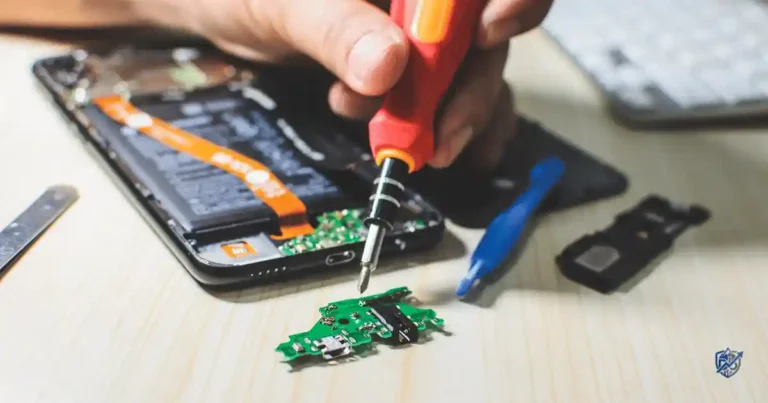
iPhone Air Multiple Apps Not Working? Try These Fixes
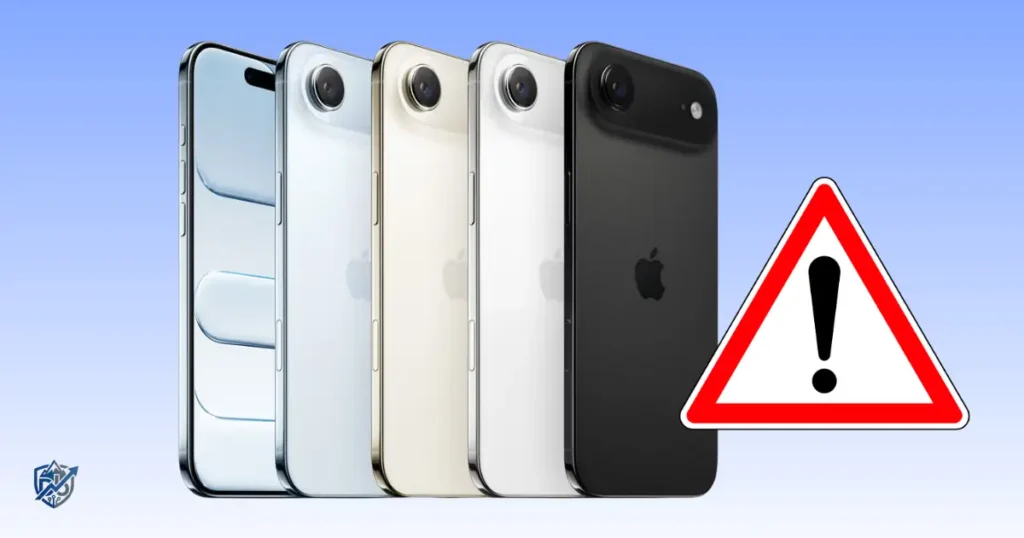
Standing in line at a Seattle coffee shop with an iPhone Air multiple apps not working error popping up everywhere can ruin your morning in seconds. It is especially annoying when Maps, Messages, and your banking app all decide to misbehave on the same morning. In my years testing iOS hardware, I have learned that when several programs crash together, the apps themselves are rarely to blame.
Instead, shared background services, network routing, or storage bottlenecks are usually choking system memory. This guide walks you through clean, non-destructive steps to fix multi-app crashes quickly without losing your personal data.
Why Are Multiple Apps Not Working on iPhone Air?
When several apps fail at once, it is worth looking beyond the individual apps. A shared system, network, storage, or software issue is often the better place to start.
One app versus multiple apps failing
When a single third-party program quits, the developer likely pushed a bad patch or corrupted a local database file. When half your library acts up together, the underlying operating system is struggling to allocate memory or handle background network connections.
Common multi-app failure symptoms include:
- Apps open and immediately close back to the Home Screen.
- Apps remain stuck indefinitely on the initial splash loading screen.
- Apps freeze completely the moment you tap an interactive button.
- Apps display “Unable to Connect” errors despite active signal bars.
- Apps refuse to launch or load background data at all.
Common causes behind the problem
- Temporary iOS operating system glitch or RAM deadlock.
- Multiple outdated apps running on an updated software build.
- Outdated iOS missing crucial developer framework patches.
- Nearly full iPhone storage choking temporary system caching.
- Weak, unstable Wi-Fi or intermittent cellular data connections.
- Apple server outages affecting iCloud framework authentication.
- Conflicting app privacy permissions or local network blocks.
- Active VPN profiles blocking secure background sockets.
- Low available system resources from intense background processing.
- Corrupted shared system caches or dynamic temporary files.
- Account authentication timeouts across Apple Account services.
When the problem is probably not the apps
- Multiple completely unrelated apps fail at the exact same moment.
- Core Apple system services like Photos, App Store, or Safari behave strangely.
- The Home screen, Notification Center, or Settings menu feels laggy.
- Internet loads web pages inside Safari but fails inside third-party apps.
- Widespread crashing began immediately following a fresh iOS update.
Check These Things Before Trying Bigger Fixes
A few quick checks can save you from deleting apps, resetting settings, or spending an hour chasing the wrong problem.
Check whether the iPhone Air has an internet connection
- Open Safari and attempt to load a heavy news website.
- Toggle Wi-Fi off in Control Center to force cellular data testing.
- Turn Airplane Mode on, wait 10 seconds, then switch it back off to reset radios.
- Join a secondary Wi-Fi network to check if your main router is dropping packets.
Check Apple’s system status
Server-side outages regularly cause local apps to freeze while verifying security certificates or syncing iCloud data. Visit Apple’s official System Status webpage using a browser.
Distinguish between:
- Apple service problems: iCloud, App Store, or Apple Account servers are down.
- Third-party app outages: External servers like Meta or AWS are experiencing issues.
- Local network problems: Your router has lost its internet gateway connection.
- Device problems: Local hardware or iOS software is hanging.
Check iPhone storage
Navigate to Settings → General → iPhone Storage. When internal memory fills up, iOS loses the temporary swap space required to open new applications.
Look out for space hogs like:
- High-resolution 4K video recordings.
- Offline music and movie downloads.
- Abandoned games you no longer play.
- Uncleared attachments inside Messages.
- Large offline map packages.
How much free storage should you keep?
Maintain at least 10% to 15% of your total capacity as free space (ideally 5GB to 10GB). Avoid running your device within a few hundred megabytes of its maximum limit, as storage pressure directly triggers instant app crashes.
Restart the iPhone Air First
A normal restart sounds simple, but it is the fastest way to clear temporary software hiccups.
Why restarting can fix several apps
Rebooting flushes system RAM, shuts down frozen background threads, and re-establishes fresh cryptographic keys with your wireless carrier and Wi-Fi network.
How to restart the iPhone Air
- Press and hold the Side button and either Volume button simultaneously until the power-off slider appears.
- Drag the slider to turn off your phone completely.
- Wait 30 seconds for the device to power down.
- Press and hold the Side button again until the Apple logo illuminates the screen.
If the screen is totally frozen and won’t display the slider, perform a forced hardware reset instead.
When a force restart is better
Use a forced restart only when the screen refuses to respond to touch input. Press and quickly release Volume Up, press and quickly release Volume Down, then press and hold the Side button until the Apple logo appears. Do not force-restart a smoothly running phone repeatedly, as unmounting active system databases can corrupt minor app caches.
Update iOS and All Your Apps
Software compatibility is a major check when multiple apps suddenly stop behaving normally.
Check for an iOS update
Go to Settings → General → Software Update. Apple frequently issues rapid security and bug-fix updates to address system framework crashes, background memory leaks, and cellular modem bugs.
Update apps from the App Store
- Open the App Store.
- Tap your Profile icon in the top right corner.
- Scroll down to see pending updates and tap Update All.
What if the problem started after an update?
A new version of iOS sometimes alters background API rules before third-party developers issue matching app updates. Watch the App Store closely over the next 48 hours for developer patches, or check for follow-up point updates from Apple.
Check Whether Your Network Is Causing the Apps to Fail
Sometimes the iPhone is perfectly healthy, but network data isn’t moving through your connection.
Test Wi-Fi against cellular data
Turn off Wi-Fi in Settings → Wi-Fi and launch your crashing apps over cellular data. Next, turn off Cellular Data in Settings → Cellular and re-test over Wi-Fi. Isolating the data pathway quickly reveals if a single network antenna or protocol is causing app timeouts.
Restart the router
Unplug your home Wi-Fi router from wall power, wait 30 seconds, and plug it back in. Routers frequently experience DNS lookup hangs that prevent iOS apps from establishing secure connections.
Check whether a VPN is interfering
Navigate to Settings → General → VPN & Device Management. Disable any active VPN tunnels or security profiles. Third-party VPN configurations often block necessary domain name requests, causing secure apps like banking software to close immediately.
Forget and reconnect to Wi-Fi
Go to Settings → Wi-Fi, tap the Info (i) button next to your active network, and select Forget This Network. Re-select the network from the list, enter your password, and re-test your apps.
Check App Permissions and Restrictions
An app can appear broken when it simply cannot access something it needs.
Review app permissions
Open Settings → Privacy & Security to ensure affected apps are not being forcefully shut down due to blocked permissions:
- Cellular Data: Ensure individual toggles are enabled.
- Local Network: Essential for media streaming and smart home gear.
- Location Services: Needed for navigation and weather tracking.
- Photos, Camera, & Microphone: Required for social and messaging apps.
- Bluetooth: Required for health and accessory tracking.
Check Screen Time restrictions
Go to Settings → Screen Time → Content & Privacy Restrictions. Ensure strict parental controls or App Limits aren’t automatically pausing apps or blocking secure web traffic.
Check cellular data permissions
Open Settings → Cellular and scroll down to the app list. Verify that the toggle switches next to your crashing apps are turned on. If an app’s cellular access was turned off, it will crash or show network connection errors as soon as you leave Wi-Fi range.
Fix Apps That Crash, Freeze, or Refuse to Open
Once basic system checks are complete, move to app-level troubleshooting.
Close and reopen the affected app
Swipe up from the bottom of your screen to open the App Switcher. Swipe up on the preview card of the broken app to force it closed. Reopen it from your Home Screen. Avoid force-closing working apps continuously, as doing so consumes extra battery power when relaunching them from scratch.
Delete and reinstall the affected app
Touch and hold the problematic app icon, tap Remove App, then select Delete App. Re-download it from the App Store. Reinstalling replaces corrupted local data directories with a fresh installation.
Before deleting an important app
- Confirm you remember your account login credentials.
- Ensure cloud backup toggles are switched on.
- Back up un-synced local files to the Files app.
- Use extreme caution with two-factor authenticators, local notes, or offline banking apps.
Check for app-specific compatibility issues
Check the App Store details page for affected software. Very old apps that haven’t received updates in years often fail on newer iOS software builds. In those cases, you must wait for the developer to issue a patch.
Low Storage Can Make an iPhone Behave Strangely
Storage is easy to ignore until the phone starts throwing little tantrums.
Find what is consuming storage
Open Settings → General → iPhone Storage and let the breakdown load. Review the top storage hogs across your device:
- Photo and video libraries.
- Heavy messaging app attachment caches.
- Downloaded streaming videos and offline podcasts.
- Unused large games.
- Offline map packages.
- Cached web browser data.
Safe ways to free up storage
Tap individual heavy apps in the Storage menu and choose Offload App. This deletes the app’s core code to free up gigabytes of space while keeping all your personal data intact on your device. Enable Optimize iPhone Storage for photos to automatically move full-resolution originals to iCloud.
What not to delete blindly
- Authentication app databases without export backups.
- Tax documents or work files stored locally in the Files app.
- Photos and videos that are not backed up to a secondary cloud service.
- Custom document files needed for school or work software.
Reset Network Settings if Many Apps Cannot Connect
This is a useful middle-ground fix when several apps have connection problems.
When resetting network settings makes sense
- Multiple internet-dependent apps fail to load data while Safari works.
- Wi-Fi connections drop intermittently or refuse to authenticate.
- Cellular data connections are unresponsive after an iOS update.
- Installing complex VPN or custom profile profiles altered default network routes.
What a network reset actually removes
Resetting network settings deletes saved Wi-Fi networks and their passwords, cellular data connections, custom APN profiles, and saved VPN configurations.
What it does not delete
A network reset leaves your photos, contacts, messages, apps, and Apple Account personal data completely untouched.
How to reset network settings
Go to Settings → General → Transfer or Reset iPhone → Reset → Reset Network Settings. Enter your device passcode and confirm the action. Write down important Wi-Fi passwords before starting, as you will need to re-enter them afterward.
Use this diagnostic table to match your exact symptoms with the fastest solution:
| What you see | Likely cause | First thing to try |
| Several apps crash instantly | iOS or app compatibility issue | Restart device and update apps |
| Apps refuse to connect to data | Wi-Fi/cellular configuration issue | Switch between networks or toggle Airplane Mode |
| Apps freeze on splash screen | Temporary system RAM glitch | Perform a normal system restart |
| Apps fail right after updating iOS | API or developer compatibility bug | Check App Store for app patches |
| Apps fail under low storage | System memory allocation pressure | Offload unused apps and free up 5GB+ |
| Only one specific app fails | App-specific database corruption | Update or reinstall the broken app |
| Apps fail only on Wi-Fi | Local router or DNS lookup issue | Restart router or test cellular connection |
| Apps fail only on cellular data | Disallowed cellular data permissions | Enable app access in Settings → Cellular |
Advanced Fixes for Persistent iPhone Air App Problems
If basic steps fail, move carefully to isolate deeper system bugs without erasing your phone.
Sign out and back into the affected account
If apps tied to your Apple Account (like App Store, Music, or Podcasts) crash repeatedly, open Settings → [Your Name], scroll down, and tap Sign Out. Restart your phone and sign back in to refresh system authentication tokens.
Check date and time settings
Navigate to Settings → General → Date & Time and ensure Set Automatically is turned on. Incorrect system dates break security certificates, causing secure apps to immediately close.
Remove unusual configuration profiles
Go to Settings → General → VPN & Device Management. Check for outdated beta software, work, or school configuration profiles that may be applying restrictive network filters. Tap suspicious profiles and select Remove Profile.
Reset all settings
Navigate to Settings → General → Transfer or Reset iPhone → Reset → Reset All Settings. This resets network connections, home screen layouts, privacy permissions, and Apple Pay cards to factory defaults without erasing your personal documents or photos.
When Multiple Apps Stop Working After an iOS Update
A sudden change after an update deserves a targeted troubleshooting approach.
Check app updates first
Developers frequently release small patch updates over the days following an iOS release to fix newly discovered crashes. Check the App Store daily.
Look for a follow-up iOS update
If a broad system bug slipped into an official update, Apple typically issues a quick follow-up release (like iOS .0.1) to resolve background system freezes. Check Settings → General → Software Update.
Give developers time to fix third-party problems
If an isolated app continues crashing after a major update, check the developer’s official social media or support site for acknowledged bug reports.
Avoid random “fix” apps
Steer clear of third-party desktop tools promising “one-click iOS system repairs.” These unauthorized utility programs are unnecessary, often require expensive subscriptions, and can expose your personal data to security risks.
Signs the Problem May Be Hardware Related
Most multi-app problems are software-based, but hardware failures can cause similar symptoms.
Watch for these warning signs
- Unexpected system shutdowns accompanied by rapid battery level drops.
- The phone chassis feels extremely hot to the touch during light usage.
- Touchscreen taps fail to register or trigger erratic inputs.
- Display flickering or graphical artifacts appear before apps crash.
- The device refuses to charge reliably over USB-C.
- Hardware damage occurred following a drop or liquid exposure.
- The entire operating system freezes up completely instead of just apps.
Why overheating matters
When an internal processor reaches dangerous thermal thresholds, iOS throttles background app performance to prevent permanent silicon degradation. Thermal throttling can lead to unexpected app closures. Allow your phone to cool down in the shade before troubleshooting further.
When professional service is appropriate
If your device crashes repeatedly across a completely clean, factory-restored installation, or if physical or liquid damage occurred right before the errors started, schedule a service appointment at an Apple Authorized Service Provider.
How to Tell If the Problem Is Apple, Your Network, or the App
Use an isolation process instead of guessing randomly:
Test another app
If Safari loads web pages smoothly but a third-party app crashes, the issue lies with that specific app or its server. If all internet-dependent apps fail, target your network settings.
Test another network
Switch between your home Wi-Fi network, mobile cellular data, and a trusted public hot spot to confirm if your primary connection is dropping packets.
Test another device
Try opening the failing service on another phone, tablet, or computer. If the service fails across multiple devices, the developer is experiencing a server-side outage.
Build a simple troubleshooting timeline
Ask yourself these basic diagnostic questions:
- When exactly did the crashing behavior start?
- Which specific apps failed first?
- Did you recently install an iOS update?
- Did the issue start after joining an unfamiliar Wi-Fi network or enabling a VPN?
- Was available internal storage already nearly full?
USA Expert Advice on Troubleshooting iPhone App Problems
Mobile technology repair professionals recommend taking a structured approach to app issues. “Always exhaust simple, non-destructive software steps like freeing up internal storage and testing network connections before considering invasive device wipes,” notes senior technology analysts.
The expert troubleshooting principle
- Apply simple, easily reversible fixes first.
- Change only one setting at a time so you know what worked.
- Test your failing apps after every adjustment.
- Keep track of which step resolved the issue for future reference.
Why a factory reset should not be step one
A full factory reset wipes your device, takes hours to restore from backups, and forces you to re-authenticate every secure app on your phone. Because most app crashes stem from simple network blocks or low storage, jumping to a full reset is rarely necessary.
Common Mistakes to Avoid When Fixing iPhone Air Apps
Avoid turning a minor software glitch into a major data loss headache.
Do not erase the iPhone too quickly
Never perform a factory restore without exhausting simpler fixes and verifying you have a complete, recent iCloud backup.
Do not delete every affected app at once
Mass-deleting apps removes diagnostic clues and forces you to log back into every service individually. Test your fixes on a single app first.
Do not install questionable repair software
Never trust unverified third-party websites or desktop tools claiming to fix iOS bugs automatically, and never enter your Apple Account credentials into unverified utilities.
Do not ignore storage warnings
Running your device with low free storage degrades overall system stability, risks data corruption, and prevents apps from creating working caches.
Do not assume every crash means hardware failure
App crashes are almost always caused by temporary software memory errors, low storage, or network routing bugs rather than permanent hardware failures.
A Quick Troubleshooting Checklist
Follow this simple diagnostic order:
First 5 minutes
- Test your internet connection in Safari.
- Perform a standard restart of your iPhone Air.
- Check Settings → General → iPhone Storage for available space.
- Check Settings → General → Software Update for available fixes.
Next 15 minutes
- Open the App Store and update all pending apps.
- Toggle Wi-Fi off to test apps over cellular data.
- Disable any active VPN profiles in Settings.
- Delete and reinstall one of your crashing apps.
If nothing works
- Check Apple’s online System Status page for server outages.
- Perform a Reset Network Settings operation.
- Execute a Reset All Settings operation if bugs persist.
- Reach out to Apple Support or the individual app developers.
When to Contact Apple Support
Knowing when to hand off troubleshooting to professionals saves time and prevents unnecessary frustration.
Contact Apple when
- Multiple apps continue crashing after performing a Reset All Settings operation.
- The entire iOS operating system freezes or enters continuous reboot loops.
- The device shows physical screen damage or suffered liquid ingress.
- Hardware components like cameras, speakers, or touch sensors fail alongside apps.
Contact the app developer when
- Only one specific third-party app crashes while all others work perfectly.
- The app crashes immediately following a specific third-party update.
- Online support forums confirm other users are experiencing the exact same issue.
What information to have ready
- Your exact iPhone model and installed iOS version.
- The exact names and version numbers of the affected apps.
- Clear descriptions or screenshots of any on-screen error messages.
- A list of troubleshooting steps you have already attempted.
FAQ About iPhone Air Multiple Apps Not Working
Why are multiple apps not working on my iPhone Air?
When several apps fail simultaneously, the cause is usually a shared system issue like low storage, an iOS memory bug, bad network routing, or an active VPN block.
Why do my iPhone Air apps keep crashing?
Apps crash when system RAM is depleted, available internal storage drops too low, or an unpatched software bug causes conflicts with current iOS code.
Can low storage stop iPhone apps from working?
Yes. When internal free space drops below 5GB, iOS cannot allocate the temporary swap files required for apps to process data, leading to sudden app closures.
Should I restart my iPhone Air if apps stop working?
Yes. A restart clears system RAM, closes hung background tasks, and re-establishes clean network connections, resolving most minor software glitches quickly.
Why do apps work on Wi-Fi but not cellular data?
This occurs when cellular data access is toggled off for specific apps in Settings, or when your mobile carrier’s data profile needs to be refreshed.
Should I delete and reinstall all my apps?
No. Always troubleshoot system storage and network connections first. If necessary, reinstall failing apps selectively one by one.
Will resetting network settings delete my photos?
No. Resetting network settings deletes saved Wi-Fi passwords, Bluetooth pairings, and VPN profiles without touching your personal photos, messages, or files.
When should I contact Apple Support?
Contact Apple Support if apps fail after resetting device settings, or if crashes are accompanied by hardware issues like overheating, reboots, or touchscreen dead zones.
Final Action Section Fix the Problem in the Right Order
Follow this recommended troubleshooting order to fix your device step by step:
- Test your internet connection using Safari.
- Restart your iPhone Air.
- Check available storage and free up at least 5GB of space.
- Update iOS to the latest version.
- Update all pending apps inside the App Store.
- Test Wi-Fi and cellular connections separately.
- Review individual app permissions in Privacy & Security.
- Temporarily disable any active VPN profiles.
- Delete and reinstall one problematic app to test.
- Reset Network Settings if internet connectivity issues persist.
- Contact Apple Support or the app developer if issues continue.
Final Recommendation
Dealing with multiple crashing apps can be frustrating, but taking a systematic approach protects your personal data and saves time. In my experience testing iOS hardware, the vast majority of multi-app failures stem from simple network blocks, VPN conflicts, or severe storage bottlenecks rather than hardware faults.
Always focus on safe, non-destructive fixes first such as clearing storage, updating software, and resetting network configurations. Avoid rushing into data-erasing factory restores. By working through these steps in order, you can get your apps running smoothly again.

Ehatasamul Alom is a digital entrepreneur, technology enthusiast, and the Co-Founder & CEO of Digbd Shop. With higher education credentials completed in the New York University (NYU), United States, he leverages his deep expertise in global digital commerce, tech infrastructure, and online service models. Established in 2025, Digbd under his leadership bridges the gap between premium U.S. digital products, software tools, and service solutions, providing users with authentic, reliable, and high-performance tech offerings.