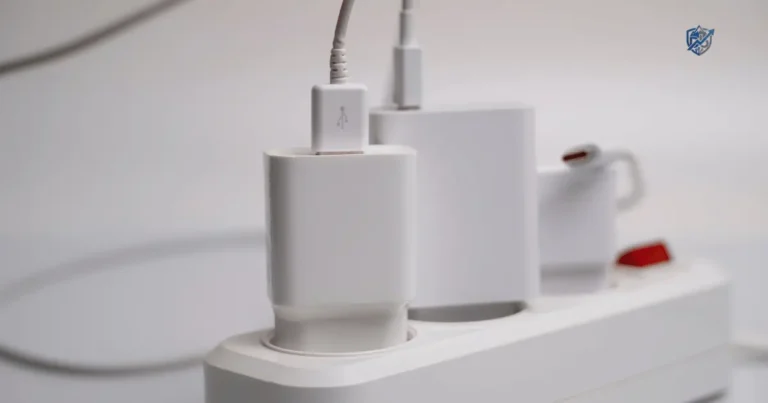
How to Choose a Phone for Gaming and Everyday Use

Finding a device that balances raw speed with daily comfort can be tricky. During my recent trip to New York, I tested several handsets across long subway commutes and busy workdays. When you choose a phone for gaming and daily tasks, you need a balanced blend of hardware and software. The ideal mobile device delivers a top processor, ample memory, a smooth screen, active heat control, all-day battery power, and clean software. You do not always need a dedicated gaming phone to get high frame rates and a great screen.
A specialized gaming unit might give you peak frame rates and custom triggers, but it often lacks in camera quality, sleek design, or long-term system updates. On the flip side, a modern daily driver or regular flagship handles modern mobile titles well while giving you better photos and a lighter build in your pocket. Recent testing highlights why cool operation and stable frame rates matter far more than quick benchmark runs.
What Makes a Phone Good for Both Gaming and Everyday Use?
Before you compare tech specs, think about how the phone fits your routine. The best device handles intense matches at night and lets you check work email easily the next morning.
The Six Things That Matter Most
- Processor and GPU performance: The engine that runs your apps and renders high-end graphics.
- RAM: Memory that keeps your open apps active without slowing down the device.
- Display quality: A bright panel with fast response times for clear visual feedback.
- Battery life: Power reserves that last through long gaming sessions and work hours.
- Cooling and sustained performance: Systems that prevent heat buildup and maintain high frame rates.
- Software and everyday usability: Clean interfaces, regular security updates, and daily app compatibility.
Gaming Performance vs Everyday Comfort
Raw power often comes with extra weight and bulk. Gaming-focused models put large vapor chambers and huge batteries first, which makes them heavy to carry. Regular flagships focus on slim designs, sharp cameras, and easy one-handed use, but they may warm up faster under full loads. Balancing thermal hardware, battery capacity, camera sensors, and software support is key to long-term satisfaction.
Do You Need a Dedicated Gaming Phone?
Gaming devices suit users who play heavy titles for hours and want physical shoulder triggers or built-in cooling fans. Flagship phones serve buyers who want top-tier camera setup, premium glass designs, and long software support alongside great speed. Mid-range performance phones offer high value for budget-conscious users who enjoy casual or moderately demanding games.
Quick Decision Rule
- Casual gaming + daily use: Good mid-range phone
- Heavy gaming + daily use: High-end flagship
- Competitive gaming: Dedicated gaming phone
- Gaming + camera + premium experience: Flagship all-rounder
Choose the Right Processor for Gaming and Everyday Tasks
The system on a chip (SoC) drives your phone, but top speed is only one part of the story. A processor that heats up quickly will slow down to protect itself, causing game lag. A steady processor that stays cool under load yields a better overall experience than a chip with brief burst power.
Why the SoC Matters
The CPU handles app logic and core tasks, while the GPU renders 3D visuals and complex effects. Modern chips also include an NPU for smart AI tasks and an ISP to process sharp photos. Better chip efficiency keeps the phone cool and extends battery runtime.
What Processor Level Do You Need?
Entry-Level Processors
- Best for: Texting, web browsing, video streaming, and simple 2D games.
Mid-Range Processors
- Best for: Smooth app switching, social media feeds, moderate gaming, and online multiplayer matches at mid graphics settings.
Flagship Processors
- Best for: Ultra graphics settings, heavy 3D titles, console emulation, quick video renders, and multi-year longevity.
Why Benchmark Scores Are Not Everything
Short benchmark tests only show maximum power for a minute or two. In long gaming sessions, heat builds up, causing thermal throttling that drops frame rates. Software tuning and direct game patches play a huge role in keeping frame rates stable over time.
Real-World Test
Look for real test results that track frame stability over 30 to 60 minutes. Check how hot the outer case gets, how fast the battery drops, and whether frame drop happens during long play sessions.
How Much RAM Does a Gaming and Everyday Phone Need?
Random Access Memory (RAM) lets your phone hold active applications in the background. Extra memory helps you jump between a heavy game, a messaging app, and a browser without forcing apps to restart.
Is 6GB RAM Enough?
A 6GB memory capacity suits basic daily tasks, light games, and minimal background activity. It is a good option for tight budgets, but it may reload large apps more often.
Is 8GB RAM Enough?
An 8GB memory setup is a strong starting point for most users. It easily handles daily messaging, social media feeds, high-end mobile games, and standard app switching.
When Should You Choose 12GB or More?
Select 12GB or more if you run heavy games, stream your gameplay, use intensive tools, or plan to keep your phone for several years without memory slowdowns.
Does Virtual RAM Help Gaming?
Virtual RAM uses a portion of your storage space as temporary memory. While it helps keep basic apps open in the background, it operates much slower than physical RAM. It cannot replace true hardware RAM for gaming speed.
RAM Recommendation
| User Type | Suggested RAM |
| Basic user | 6GB |
| Everyday + casual gaming | 8GB |
| Heavy gaming | 8–12GB |
| Power user | 12GB+ |
Selecting the right memory size keeps your device responsive across daily tasks and long gaming sessions.
Pick a Display That Makes Gaming and Daily Use Better
Your screen shapes how you view text, watch video, and control games. A quality panel offers smooth motion and high outdoor clarity.
Refresh Rate
Standard 60Hz panels are basic, while 90Hz screens offer smoother motion. Modern 120Hz and 144Hz+ displays make scrolling menus, reading feeds, and playing fast action games look silky smooth.
Touch Sampling Rate
Touch response speed measures how fast the screen detects your fingers. A high touch rate reduces input lag, giving you faster responses in competitive shooters and action games.
OLED vs LCD
OLED screens offer deep blacks, sharp contrast, rich colors, and good energy efficiency. LCD screens are cheaper but lack deep black levels and fall short in direct sunlight readability.
Screen Size
Smaller Phones
- Pros: Pocket-friendly, light weight, comfortable one-handed use.
- Cons: Smaller view area, cramped touch controls.
Larger Phones
- Pros: Big view area, better target visibility, room for multi-finger controls.
- Cons: Bulky to hold, heavy in pockets.
Brightness and Outdoor Use
High peak brightness helps you read maps in bright sunlight, play games on outdoors trips, or check notifications at an outdoor table without squinting.
Display Checklist
- 120Hz or higher refresh rate for smooth visuals
- High touch response rate for fast input
- High peak brightness for clear outdoor viewing
- OLED panel for deep contrast and rich colors
- Comfortable screen size for your hands
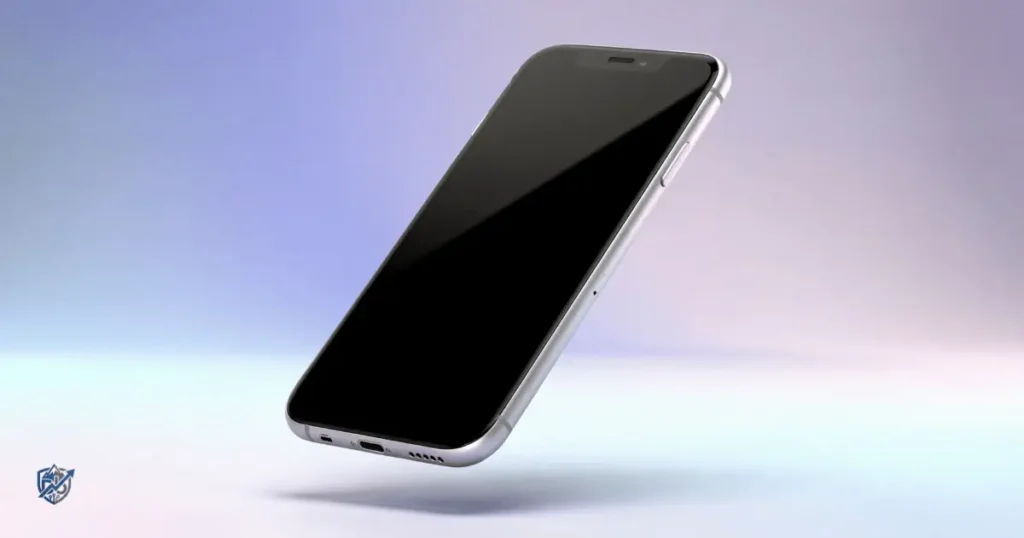
Battery Life Matters More Than Peak Gaming Power
Top processing speed is useless if your phone shuts down halfway through the day. A strong battery design keeps you online without constant charging stopovers.
Look Beyond Battery Capacity
Battery size in milliampere-hours (mAh) is only one factor. Processor power draw, screen brightness, refresh rate settings, and software optimization shape real-world battery life.
Why Gaming Drains Battery Quickly
3D graphics engines load the CPU and GPU heavily, while high display brightness and fast refresh rates draw constant power. Using 5G networks and running background apps adds heat and speeds up drain.
Fast Charging
Charging speeds like 30W, 45W, or 65W+ get you back to full power quickly. High-wattage chargers reduce downtime, though rapid power delivery generates extra warmth.
Battery Health and Long-Term Ownership
Excessive heat degrades lithium-ion cells over time. To preserve battery health over several years, avoid charging while playing heavy games, use built-in charge limits, and keep the phone cool.
Manufacturer Advice: Tech brands, including Apple, note that heat reduces battery lifespan and suggest avoiding phone use or charging in ambient temperatures above 35°C (95°F). Keep your device cool to protect performance and battery health.
Battery Recommendation
- Pick phones with proven real-world battery endurance tests.
- Select efficient processors built on small manufacturing nodes.
- Look for built-in heat control features to keep temperatures low.
- Check for fast-charging support with battery management software.
Cooling Is a Must for Serious Mobile Gaming
Cooling is a hardware feature that casual buyers often miss. Without heat control, performance drops sharply after twenty minutes of play.
Why Phones Get Hot While Gaming
High CPU and GPU workloads generate internal heat. Bright screens, cellular network traffic, charging during play, and thick cases trap this thermal energy inside the chassis.
What Is a Vapor Chamber?
A vapor chamber is a flat, sealed metal liquid container. It turns internal fluid into vapor to spread heat evenly across a large surface, cooling the processor quickly.
What Is Liquid Cooling?
Mobile liquid cooling uses tiny heat pipes filled with fluid to transfer thermal energy away from the processor toward the outer frame, preventing hot spots.
Active Cooling Fans
Built-in or clip-on cooling fans blow air across the device chassis. They lower temperatures during long sessions, though internal fans may add noise and draw extra battery power.
Why Sustained Performance Beats Peak Performance
A device might achieve high scores in quick benchmark tests, but long gaming sessions reveal true heat limits. Consistent frame rates yield a smoother experience than short bursts followed by heavy throttling.
Cooling Checklist
- Large vapor chamber or multi-layer thermal sheets
- Solid outer heat dissipation materials
- Proven frame-rate stability over long sessions
- Minimal thermal throttling under load
Choose the Right Storage for Games and Everyday Life
Modern game installs take up significant space, while high-resolution photos, 4K videos, and system updates require extra room over time.
Is 128GB Enough?
A 128GB capacity suits casual users who keep a few light games, stream media, and rely on cloud storage for photos.
Is 256GB the Sweet Spot?
A 256GB storage drive offers the ideal balance for most users. It leaves ample room for multiple large game installs, offline media, high-res photos, and software updates.
Who Needs 512GB?
A 512GB or 1TB capacity serves heavy gamers who maintain vast game libraries, shoot lots of 4K video, or keep all data stored locally.
Storage Recommendation
| User Type | Recommended Storage |
| Everyday + casual gaming | 128GB |
| Everyday + regular gaming | 256GB |
| Heavy gamer | 256–512GB |
| Gamer + content creator | 512GB+ |
Choosing enough storage ensures your device has space for new game updates and daily files.
Pick a Phone With Good Gaming Controls
Touchscreen controls work for standard games, but dedicated input hardware gives you an edge in competitive play.
Touchscreen Response
Low touch latency ensures your taps register instantly. High touch sampling rates and stable multi-touch support prevent missed inputs during fast actions.
Shoulder Triggers
Capacitive or physical shoulder triggers let you aim and fire without blocking your screen view, giving you a gamepad-like feel in shooter and racing titles.
Haptics
Quality vibration motors provide tactile feedback when shooting, driving, or typing. Good haptics increase gaming immersion and refine everyday use.
Speakers
Dual stereo speakers with clear sound help you locate enemy footsteps and enjoy movies without needing headphones.
Headphone Jack
A 3.5mm headphone jack offers zero-latency audio, which is ideal for competitive gaming. Bluetooth options are convenient, but they can add audio delay unless low-latency codecs are supported.
Who Needs Gaming-Specific Controls?
- Competitive multiplayer gamers
- First-person shooter (FPS) fans
- Racing game enthusiasts
- MOBA players
Do Not Sacrifice Camera Quality for Gaming Power
If your phone serves as your main device for family photos, work events, and trips, camera performance remains essential.
What Makes a Good Everyday Camera?
A high-quality main sensor with clear optics, wide dynamic range, fast autofocus, and reliable low-light image processing produces crisp photos in all conditions.
What to Check for Video
Look for smooth 4K video recording, optical image stabilization (OIS), clear audio pickup, and solid front-camera quality for video calls.
Gaming Phone vs Flagship Camera
Dedicated gaming phones put extra focus on cooling hardware, which can leave less space for complex camera modules. All-rounder flagships deliver superior sensors, multi-lens versatility, and better image tuning.
Camera Priority Test
Ask yourself: “If I stopped gaming tomorrow, would I still like using this camera every day?” If not, a balanced flagship is the safer choice.
Software Support Is Part of Gaming Performance
Good hardware needs well-tuned software. Regular operating system updates maintain system stability, fix game bugs, and add useful features over time.
Check Android or iOS Support
Verify how many years of OS and security updates the maker promises. Long support keeps your investment safe and functional for years.
Gaming Software Features
Look for built-in game hubs that offer performance toggles, screen recording, notification muting, frame-rate monitors, and network priority controls.
Bloatware and Everyday Experience
Clean software interfaces without pre-installed bloatware run faster, use less storage, and offer a better daily user experience.
iOS vs Android for Gaming
iPhone Advantages
- Strong chip performance and energy efficiency
- Uniform optimization across all apps
- Access to top Arcade titles and long update support
Android Advantages
- Wide range of screen shapes, sizes, and price levels
- Dedicated gaming hardware with custom triggers
- Flexible game emulation and side-loading options
Android Gaming-Specific Features
- Custom performance dashboards
- Manual fan and power controls
- Deep game accessory integration
Choose Between a Gaming Phone and a Flagship
Selecting between a dedicated gaming device and an all-rounder flagship comes down to your personal priorities.
Choose a Dedicated Gaming Phone If You:
- Play heavy mobile games for long sessions daily
- Want physical triggers and built-in cooling systems
- Value stable frame rates over camera performance
- Prefer bold styling with RGB lighting accents
Select/ Choose a Flagship Phone If You:
- Want top-tier photos and high-end video recording
- Game regularly but also value daily convenience
- Prefer slim designs, water resistance, and wireless charging
- Value multi-year software updates and ecosystem support
Choose a Mid-Range Performance Phone If You:
- Need high performance on a modest budget
- Enjoy popular online titles at moderate settings
- Want long battery runtime and clear displays
Gaming Phone vs Flagship Comparison
| Feature | Gaming Phone | Flagship Phone |
| Peak gaming power | Excellent | Excellent |
| Sustained gaming | Often excellent | Very good to excellent |
| Cooling system | Specialized | Standard to high-end |
| Camera setup | Basic to moderate | Excellent |
| Hardware design | Gamer style | Sleek and premium |
| Wireless charging | Less common | Standard feature |
| Best use case | Dedicated gaming | Balanced daily use |
Balancing hardware strengths helps you pick the right phone for your needs.
How Much Should You Spend on a Gaming and Everyday Phone?
Your budget should reflect how often you play games and how long you plan to keep your device.
Entry Budget
Suitable for light games, messaging, social media feeds, and media playback.
Mid-Range
Great value tier with smooth 120Hz screens, good battery capacity, and solid mid-tier processors.
Premium
Offers top-tier processors, sharp camera systems, high build quality, and multi-year update plans.
Ultra-Premium Gaming Phones
Built for dedicated gamers who want specialized cooling systems, custom hardware controls, and maximum frame rates.
The “Cost Per Year” Test
A $400 mid-range phone replaced after two years costs $200 per year. An $800 flagship kept for four years also costs $200 per year while offering a premium experience throughout its life.
Real-Life Example: One Phone for Work, Gaming, and Weekend Life
Consider a routine: commuting through New York, answering work chats, playing online games, and taking weekend photos.
A Typical Weekday
You use maps and music on your morning commute, answer emails during work hours, play a quick match at lunch, and stream video on your ride home.
Weekend Gaming Session
During extended weekend gaming sessions, high screen brightness, continuous Wi-Fi traffic, and 3D graphics build up heat in your palm, causing the battery level to drop faster.
Weekend Camera Use
On weekends, you take photos of family, snap food shots at restaurants, capture low-light evening scenes, and record quick video clips.
Which Phone Wins?
A balanced flagship phone fits all aspects of daily life, while a dedicated gaming phone works best if gaming is your primary focus.
USA Expert Advice on Choosing a Gaming Smartphone
Tech reviewers emphasize that real-world thermal management matters more than top benchmark scores.
Expert Perspective
Noted US tech reviewer Marques Brownlee often highlights that peak performance scores do not reflect how a phone behaves during real use. Devices that score high in short tests can drop performance once heat builds up during long play sessions.
Expert Advice Angle
- Avoid buying based solely on maximum benchmark numbers.
- Check frame-rate stability over long play sessions.
- Choose a phone that balances camera needs with battery endurance.
- Pick brands that offer long software update commitments.
Quote Placement
“Testing sustained performance shows how a phone really behaves when pushed. High initial scores mean little if the device throttles after fifteen minutes of play.”
Focusing on sustained performance helps you pick a phone that stays smooth during long gaming sessions.
Common Mistakes When Buying a Gaming and Everyday Phone
- Buying based only on processor scores: Ignoring cooling systems and battery life leads to unexpected performance drops.
- Assuming more RAM guarantees speed: A fast processor and well-tuned software are equally important.
- Ignoring heat control: Excess heat causes frame drops and accelerates battery wear.
- Choosing a gaming phone with weak cameras: A poor camera system can disappoint users who take daily photos.
- Buying too much storage: Spending extra on 1TB is unnecessary if cloud backup handles your files.
- Ignoring software updates: Short update support shortens your phone’s usable lifetime.
- Gaming while fast charging: Charging while playing creates extra heat, which slows down the phone and stresses the battery.
How to Test a Phone Before You Buy It
If possible, test the device in a local retail store or review long-term user feedback before buying.
Test the Display
Scroll through menus quickly, check text clarity, test brightness levels under bright lights, and verify touch responsiveness.
Test the Cameras
Take indoor and outdoor sample photos, check portrait mode edges, capture a quick video to test stabilization, and evaluate image quality.
Test Everyday Performance
Open multiple applications, switch between tasks quickly, type on the keyboard, and check system menu animations.
Research Gaming Performance
Look for detailed reviews that track real frame rates, body temperature, and battery drain over 30 to 60 minutes of continuous gaming.
Five-Minute Store Test
- Open the camera app and take a few test photos.
- Launch multiple apps and switch between them rapidly.
- Check maximum display brightness and text legibility.
- Hold the device to evaluate weight, grip, and edge comfort.
- Play a pre-installed demo game to test touch response.
Which Phone Is Best for Gaming and Everyday Use?
Best for Casual Gamers
- Solid mid-range processor
- 8GB RAM
- 128GB or 256GB storage
- Bright 120Hz display
Best for Regular Gamers
- High-end mid-range or flagship processor
- 8GB to 12GB RAM
- 256GB internal storage
- Vapor chamber cooling system
- Large battery capacity
Top/ Best for Serious Gamers
- Top-tier flagship processor
- 12GB or 16GB RAM
- Dedicated cooling hardware
- 120Hz or 165Hz display
- Built-in physical or capacitive triggers
Best for Gaming Plus Photography
- Premium flagship phone
- Advanced multi-lens camera system
- Flagship processor
- Long software update support
The Simple Buying Rule
If gaming accounts for 20% of your daily phone use, buy an all-rounder flagship. If gaming takes up 80% of your time, choose a performance-focused gaming phone.
Frequently Asked Questions About Gaming and Everyday Phones
How Much RAM Do I Need for Gaming?
An 8GB memory setup is a great starting point for modern mobile games and smooth multitasking. Power users can benefit from 12GB or more.
Is 120Hz Enough for Mobile Gaming?
Yes, a 120Hz display offers smooth visuals for almost all games and daily tasks.
Is a Gaming Phone Good for Everyday Use?
Gaming phones handle daily tasks easily, but their bulkier designs and basic cameras may be less ideal for everyday use.
Are Flagship Phones Better Than Gaming Phones?
Flagships offer better cameras, sleeker builds, and longer software support, while gaming phones focus on active cooling and sustained speed.
Is 256GB Enough for a Gaming Phone?
A 256GB storage drive holds several large game titles along with daily apps, photos, and system files.
Does a Bigger Battery Mean Better Gaming?
Not always. Processor efficiency and heat control play a major role in overall battery runtime.
Do I Need a Cooling Fan in My Phone?
Most users do not need an active fan. Built-in vapor chambers handle standard heat needs well.
Does Gaming Damage a Phone Battery?
High temperatures accelerate battery wear. Avoid heavy gaming while fast charging to keep heat levels low.
Should I Buy an iPhone or Android for Gaming?
iPhones offer consistent app performance and long support, while Android gives you hardware choices, custom game tools, and emulation options.
Is a Gaming Phone Worth It for Casual Gamers?
No, a solid mid-range phone provides better value and plenty of speed for casual games.
Final Buying Checklist
- Is the processor fast enough for your games?
- Does it hold frame rates during long sessions?
- Does it have at least 8GB RAM?
- Is 128GB or 256GB storage enough for your files?
- Is the screen smooth with a 120Hz refresh rate?
- Does it stay cool under heavy loads?
- Is battery life strong enough for daily needs?
- Does the camera produce clear photos?
- Is software support long enough for your plans?
- Is the device comfortable to hold?
Final Recommendation
When you choose a phone for gaming and daily tasks, aim for a balanced experience rather than peak specs alone. Based on my testing, a high-end flagship phone with a modern processor, 8GB to 12GB RAM, 256GB storage, and strong cooling offers the best all-around value. It handles long gaming sessions smoothly while giving you sharp cameras, all-day battery life, and clean daily software. Focus on sustained performance and practical comfort to get a phone you will love using every day.

Ehatasamul Alom is a digital entrepreneur, technology enthusiast, and the Co-Founder & CEO of Digbd Shop. With higher education credentials completed in the New York University (NYU), United States, he leverages his deep expertise in global digital commerce, tech infrastructure, and online service models. Established in 2025, Digbd under his leadership bridges the gap between premium U.S. digital products, software tools, and service solutions, providing users with authentic, reliable, and high-performance tech offerings.