iPhone 11 Pro Problems: Common Issues and Easy Fixes
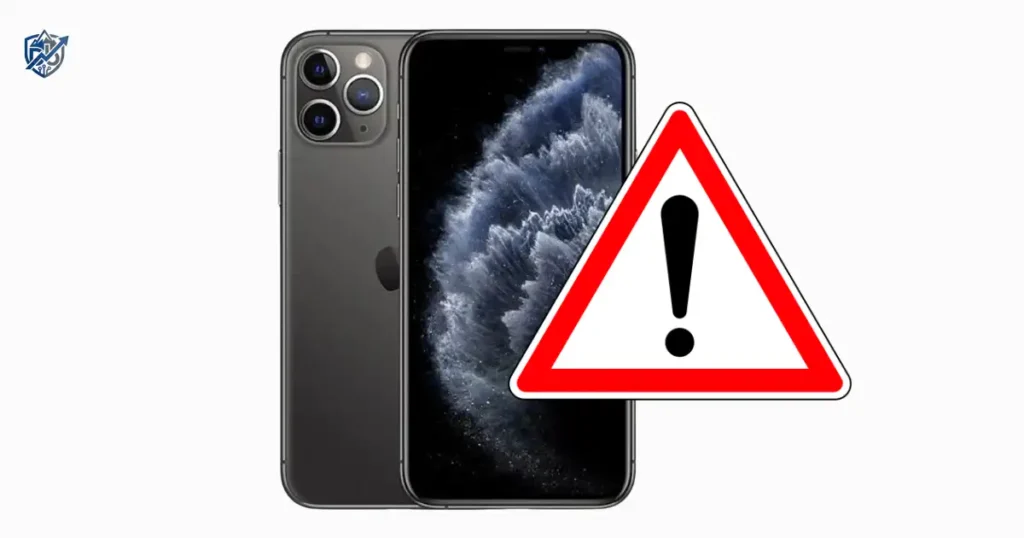
When I moved to Seattle back in 2019, the iPhone 11 Pro was the shiny flagship everyone wanted. Years later, it remains a surprisingly reliable daily driver. The bright Super Retina XDR OLED display still pops, the A13 Bionic chip handles basic tasks easily, and the triple-camera system takes fantastic photos. Its Face ID, classic stainless-steel frame, Lightning port, and rechargeable lithium-ion battery still feel premium. But time changes the repair picture for any older phone.
Chemical aging and daily wear mean minor glitches pop up more often now. Not every phone experiences these issues, but treating this breakdown as a practical diagnostic guide will help you keep your iPhone running smoothly without unnecessary repair bills.
What Are the Most Common iPhone 11 Pro Problems?
Several issues become more relevant as the phone gets older. Repair sources commonly identify the battery, screen, speakers, charging port, cameras, and Face ID among the parts that may need attention.
Battery Drains Too Fast
An aging lithium-ion battery loses capacity over time. Heavy app use, intensive background activity, poor cellular signal hunting, high environmental temperatures, and misconfigured Battery Health and Charging settings all accelerate daily power drain.
iPhone 11 Pro Runs Slowly
Performance drops often stem from an aging battery triggering dynamic power management. Low internal storage, runaway background processes, outdated software, and resource-heavy modern apps can also cause noticeable slowdowns.
iPhone 11 Pro Gets Hot
Demanding tasks naturally make the internal hardware generate heat. Long gaming sessions, high-resolution video recording, active GPS navigation, charging, direct sunlight, and thick cases with poor ventilation trap heat inside the phone.
Screen Flickering or Green Tint
OLED display behavior can manifest as flickering or an unusual tint. While software-related display problems can cause this, physical screen damage, liquid exposure, or low-brightness scenarios are common triggers. Historical reports documented intermittent green tint and flickering on some iPhone 11-series devices, particularly around certain iOS versions, proving that this issue should not automatically be blamed on the display hardware alone.
Charging Problems
A dirty Lightning port clogged with lint is a top culprit. Other frequent causes include a damaged cable, a weak wall charger, natural battery aging, physical port wear, and wireless charging alignment problems.
Camera Problems
Blurry photos, one camera lens not focusing, the camera app freezing, lens switching lag, and optical image stabilization (OIS) failure usually stem from physical drops, dirty lens glass, or software hiccups.
Face ID Not Working
The delicate TrueDepth camera system can fail due to physical drops, liquid exposure, improper previous screen repairs, system software bugs, or simple setup conflicts.
iPhone 11 Pro Battery Problems
The battery deserves its own section because age is now a major factor for this model. Apple says batteries are consumable parts and that battery aging can eventually affect performance.
Why the iPhone 11 Pro Battery Drains So Fast
Battery capacity decreases over time due to chemical aging. High screen brightness, active GPS tracking, constant Background App Refresh, and poor cellular signal drain power quickly. Note that the iPhone 11 Pro uses LTE rather than 5G, so 5G networks are not a factor in your battery usage. High-demand video streaming and heavy mobile gaming also draw heavy current, shortening your daily usage time.
How to Check Battery Health
To evaluate your battery’s condition, navigate to Settings → Battery → Battery Health & Charging. Look closely at your Maximum Capacity percentage. Review the Peak Performance Capability section to see if dynamic performance management has been applied to prevent sudden shutdowns. If your phone needs a new battery, a clear service recommendation message will appear at the top of this menu.
What Battery Health Percentage Matters?
The health percentage is useful, but it is not the only factor you should consider. Real-world battery behavior matters just as much as the number on your screen. Unexpected shutdowns, erratic percentage drops, and rapid discharge under light use can be more meaningful indicators of a failing battery than the estimated health number alone.
When Should You Replace the Battery?
Replace your battery if you experience rapid drain, unexpected shutdowns under load, or a drastically reduced runtime. Official battery service messages and persistent performance throttling are clear signs that a fresh battery will restore your phone’s performance.
Is a Battery Replacement Worth It on an iPhone 11 Pro?
Deciding to replace the battery depends on balancing the replacement cost against the phone’s remaining value. If your display screen and cameras are in great condition, your storage capacity fits your needs, and iOS software updates are still supported, a new battery is a cost-effective way to extend your phone’s lifespan.
iPhone 11 Pro Charging Problems
Charging issues can be simple. Sometimes the culprit is a tiny bit of pocket lint hiding in the Lightning port. Not glamorous, but very real.
iPhone 11 Pro Not Charging
- Test another Lightning cable to isolate cable damage.
- Test another power adapter with adequate wattage.
- Try plugging into a different wall outlet.
- Inspect the port with a flashlight for debris.
- Restart the phone to clear temporary charging bugs.
iPhone 11 Pro Charging Slowly
Slow charging usually happens because of an aging battery, a weak 5W wall adapter, or damaged charging cables. High ambient heat, heavy phone use while plugged in, and thermal protection features can also slow down power delivery to protect internal components.
iPhone 11 Pro Stops Charging at 80 Percent
If your iPhone pauses charging at 80 percent, Optimized Battery Charging is likely active. Temperature-related charging limits also pause power delivery when the device gets too warm. Reaching 80 percent and pausing does not automatically mean battery failure; Apple explains that charging may slow or temporarily stop when temperatures are too high or too low to help protect long-term battery health.
Lightning Port Is Loose
A loose cable connection often indicates compressed lint or debris inside the Lightning port. Carefully clean out the port using a non-metallic pick. If clean ports still feel loose or fail to make electrical contact, physical port wear or board-level connector damage may require professional service.
Wireless Charging Does Not Work
Ensure proper alignment on the wireless charging pad. Thick protective cases, metallic attachments, or pop sockets can block inductive charging coils. Inferior charging pads, excess heat buildup, and physical internal component damage will also disrupt wireless charging.
iPhone 11 Pro Overheating Problems
Heat is not always a fault. Charging, camera use, video streaming, gaming, and updates can naturally make an iPhone warmer.
Why Does the iPhone 11 Pro Get Hot?
Processor-heavy apps push the A13 Bionic chip to its limits, generating internal heat. Extended camera recording, continuous GPS navigation, standard fast charging, wireless charging, and hot environmental conditions all raise operating temperatures.
What to Do When It Gets Too Hot
- Stop resource-heavy apps and mobile games immediately.
- Move the phone away from direct sunlight and hot cars.
- Remove thick, heat-trapping protective cases.
- Stop charging the device temporarily.
- Let the phone cool naturally in a shaded, well-ventilated space.
When Overheating Is Not Normal
Overheating is cause for concern if your phone gets very hot during light tasks like texting. Repeated thermal warning screens, frequent thermal shutdowns, visible battery swelling, or intense heat concentrated near the bottom charging port point to serious internal faults.
Never Put a Hot iPhone in a Freezer
Placing a hot iPhone into a freezer or refrigerator introduces extreme thermal shock. Rapid temperature drops cause internal moisture to condense into water droplets inside the phone, causing permanent short circuits. Always allow a hot phone to cool down gradually at room temperature.
iPhone 11 Pro Screen and Touch Problems
The Super Retina XDR OLED display is one of the phone’s major features, so display problems can be especially frustrating.
Touchscreen Not Responding
- Clean the display with a micro fiber cloth to remove moisture.
- Remove a thick or damaged glass screen protector.
- Force restart your iPhone using the hardware buttons.
- Update iOS to eliminate software touch bugs.
- Test different parts of the screen to identify dead touch zones.
Screen Flickering
Display flickering can stem from low-brightness display control behavior, temporary iOS software glitches, physical OLED panel damage, or hidden water exposure inside the display assembly.
Green Tint on the iPhone 11 Pro
A brief green tint on wake is often software-related, whereas a constant green tint usually indicates hardware damage. Low-brightness scenarios tend to highlight OLED driver quirks. To diagnose the cause, take a screenshot when the green tint appears. If the green tint shows up in the screenshot when viewed on another device, software is responsible; if the screenshot looks normal, your physical display hardware is faulty.
Black Spots or Dead Pixels
Black spots, ink-like blobs, or dead pixels point to physical OLED matrix damage from drops or pressure. Software updates and calibration steps will not repair physically damaged pixels; replacing the display assembly is the only permanent solution.
Screen Goes Black but Phone Still Works
If your screen goes black while sounds, ringers, and haptic vibrations still work, your iPhone is powered on. Try a force restart or connect the device to power. If audio cues remain active, the issue is isolated to the display panel, its flex cable connection, or the backlight driver circuit.
iPhone 11 Pro Camera Problems
The triple-camera system is a key reason people still like the 11 Pro. When one lens acts strange, the whole camera experience can feel broken.
iPhone 11 Pro Camera Is Blurry
Check for a dirty lens, smudges, or debris covering the glass. Persistent blurriness can point to autofocus mechanism failure, damaged optical image stabilization (OIS) hardware from physical impacts, or cracked external camera glass.
One Camera Lens Is Not Working
Test each lens individually within the native Camera app. Switch between the 0.5x ultra-wide, 1x wide, and 2x telephoto modes to isolate lens-specific hardware or sensor failures.
Camera Keeps Freezing or Closing
- Restart your iPhone to reset the camera daemon process.
- Update iOS to resolve built-in software bugs.
- Close other demanding apps running in the background.
- Free up internal storage to ensure space for temporary video buffers.
- Test third-party camera apps to rule out native app corruption.
Camera Has a Strange Tint
Unusual color tints can stem from harsh external lighting, dirt or fingerprints on the camera glass, aggressive software post-processing bugs, or physical camera sensor damage.
Flash Does Not Work
The True Tone flash will auto-disable if the iPhone gets too hot. Hardware damage, background camera software errors, or low battery power can also temporarily block the camera flash.
iPhone 11 Pro Face ID Problems
Sometime Face ID failures deserve careful treatment because some causes are software-based while others involve the TrueDepth hardware.
Face ID Suddenly Stops Working
- Restart your device to refresh system security services.
- Check Face ID settings in Settings → Face ID & Passcode.
- Clean the top notch area housing the TrueDepth camera.
- Remove thick screen protectors or cases obstructing the sensor notch.
- Update to the latest iOS version.
Face ID Works Sometimes
Intermittent Face ID performance often comes down to awkward angles, poor lighting conditions, partial camera obstructions, or minor software timing issues during facial scans.
Face ID Stops Working After Screen Repair
Proper repair procedures are critical when replacing an iPhone 11 Pro screen. While third-party screen repairs do not automatically break Face ID, the delicate TrueDepth sensors and paired ambient light cables are easily damaged or misaligned by untrained technicians.
When Face ID Requires Professional Service
Face ID needs expert repair if the TrueDepth sensor suffers physical damage, liquid ingress, or internal component failure. Persistent “Face ID Has Been Disabled” system pop-ups confirm an unrecoverable hardware fault.
iPhone 11 Pro Performance and App Problems
An older phone can still feel fast, but battery age and storage can change the experience.
iPhone 11 Pro Is Slow
Check your overall Battery Health percentage and review available internal storage in Settings. Restart the device regularly, keep iOS updated, and restrict heavy background app activity to maintain system responsiveness.
Apps Keep Crashing
Keep your apps updated through the App Store and ensure iOS is up to date. Free up internal storage space, or delete and reinstall individual apps that repeatedly crash.
Apps Take a Long Time to Open
Apple notes that battery aging can be associated with longer app launch times, reduced frame rates, increased processing time, and other performance effects. Storage pressure, large app sizes, and heavy background processes also slow down launch times.
iPhone 11 Pro Wi-Fi, Bluetooth, and Cellular Problems
Connection problems can look like app problems, so diagnose the network before blaming the apps.
Wi-Fi Keeps Disconnecting
- Toggle Wi-Fi off and on in Settings.
- Forget the Wi-Fi network and reconnect with your password.
- Test your iPhone on a completely different Wi-Fi network.
- Update iOS to resolve network stack bugs.
Bluetooth Will Not Connect
Toggle Bluetooth off and back on. Forget the problem accessory in your Bluetooth settings, re-pair the device from scratch, and restart both your iPhone and the Bluetooth accessory.
Cellular Data Is Slow or Not Working
Verify that Cellular Data is enabled in Settings. Check signal strength bars, toggle Airplane Mode on for ten seconds to force a tower reconnect, check for carrier settings updates, or test connectivity in a different physical location.
When to Reset Network Settings
Reset Network Settings if you face persistent Wi-Fi dropouts, widespread Bluetooth pairing failures, or unexplained cellular connection errors. Navigating to Settings → General → Transfer or Reset iPhone → Reset → Reset Network Settings flushes corrupt caches while keeping your personal photos and messages intact.
iPhone 11 Pro Speaker and Microphone Problems
Speaker Sounds Quiet
Carefully clean the bottom speaker grilles with a dry, soft-bristled brush. Check volume levels, verify that audio is not routed to a Bluetooth device, and test playback across multiple media apps.
Speaker Sounds Distorted
Distorted audio often stems from physical speaker cone damage, trapped moisture inside the speaker mesh, packed debris, or damaged internal amplifier circuitry.
Microphone Not Working
Test the primary microphone using Voice Memos, test the earpiece mic on a cellular call, and record a video with the front camera. Clean lint out of all microphone openings before seeking hardware service.
Callers Cannot Hear You
Run a Voice Memos microphone test to verify hardware input. Disconnect lingering Bluetooth headsets, remove bulky cases that block the top mic, and schedule a repair if voice audio remains muffled.
iPhone 11 Pro Random Restarts and Shutdowns
Random shutdowns are worth investigating rather than simply accepting as “old phone behavior.”
Common Causes
Severe battery aging, iOS software crashes, processor overheating, physical board-level faults, and nearly full internal storage can cause spontaneous reboots.
Check Analytics Data
Navigate to Settings → Privacy & Security → Analytics & Improvements → Analytics Data. Scan the list for crash logs starting with “panic-full” or “ResetCounter.” While analytics files should not be treated as a full diagnosis by themselves, repeated panic logs strongly point to hardware failure.
Battery vs. Hardware Clues
If shutdowns occur at specific battery percentages (like 20%) or under heavy processor load, the battery is likely failing. Immediate restart loops or severe heating before a crash point to logic board hardware faults.
iPhone 11 Pro Problems After Drops or Water Exposure
Physical damage changes the troubleshooting path.
Problems That Can Appear After a Drop
- Cracked OLED glass or internal digitizer lines.
- Touchscreen dead zones or ghost touches.
- Blurry, vibrating, or unresponsive camera modules.
- Failed Face ID sensors and TrueDepth errors.
- Lightning charging port connection failures.
- Broken internal wireless charging coils.
Problems After Liquid Exposure
Liquid ingress causes charging port disable warnings, distorted crackling speakers, failed microphones, dark screen patches, or endless reboot loops.
Do Not Keep Charging a Suspected Liquid-Damaged iPhone
Connecting a charger to a wet iPhone causes rapid electrolysis, corroding micro-components and creating permanent electrical shorts. Unplug the device immediately, turn it off, and seek a professional hardware inspection.
Quick iPhone 11 Pro Problem Diagnosis Table
A simple diagnostic chart helps you match symptoms with quick solutions.
| Problem | Common Causes | First Step |
| Battery drains fast | Battery age, apps, weak signal | Check Battery Health settings |
| Not charging | Damaged cable, clogged port, adapter | Test a second cable and adapter |
| Charging slowly | High heat, weak charger, battery age | Let phone cool; use fast charger |
| Overheating | Gaming, fast charging, direct heat | Stop heavy use; remove case |
| Screen flickers | Software bug, damaged OLED panel | Restart phone and update iOS |
| Green tint | iOS bug or physical OLED damage | Update iOS; test display brightness |
| Camera blurry | Dirty glass, focus fail, OIS damage | Clean lens; test all three cameras |
| Face ID fails | Dirty sensors, drop damage, iOS bug | Clean notch; verify Face ID setup |
| Apps crash | iOS bug, low storage, app fault | Update apps and free storage |
| Wi-Fi fails | Router glitch, iOS bug, network error | Test on another Wi-Fi network |
| Random shutdowns | Aging battery, iOS bug, board failure | Check Battery Health settings |
Which iPhone 11 Pro Problems Can You Fix Yourself?
Not every problem needs a repair shop. Separating simple software fixes from delicate hardware work saves time and money.
Usually Safe for Home Troubleshooting
- Restarting or force restarting the phone.
- Updating iOS and installed App Store apps.
- Checking and freeing up internal storage.
- Reviewing Battery Health metrics.
- Cleaning exterior ports and speaker grilles.
- Testing alternative charging cables and power adapters.
- Resetting system network settings.
Better Left to a Professional
- OLED display assembly replacements.
- Internal lithium-ion battery replacements.
- Soldered Lightning port repairs.
- Rear camera module replacements.
- Face ID and TrueDepth sensor repairs.
- Board-level microsoldering work.
- Liquid-damage internal cleaning and diagnosis.
Avoid Aggressive DIY Battery Repairs
Puncturing or bending a lithium-ion battery during a DIY repair can trigger severe thermal runaways, toxic gas releases, and fires. Swollen or glued batteries present genuine safety risks, making professional battery service the far safer choice.
iPhone 11 Pro Repair vs. Replacement
Deciding whether to repair or replace an aging phone comes down to overall cost and device condition.
When a Battery Replacement Makes Sense
Investing in a new battery makes complete financial sense if your phone works well otherwise. If the display screen is free of cracks, the cameras take clear shots, Face ID works smoothly, and there is no liquid damage, a battery swap will make the phone feel like new.
When Screen Repair Makes Sense
Replacing a cracked screen is worth it when the rest of the phone is reliable, the repair quote is reasonable compared to a replacement phone, and keeping your local data and setup intact is your top priority.
When Multiple Repairs Become Hard to Justify
Spending money on repairs gets hard to justify when you are dealing with multiple failing parts. If you need a new battery, a new display, and a new camera module all at once—or if you face unfixable water damage, board issues, or Face ID failure—that money is better spent upgrading to a newer model.
Questions to Ask Before Paying for Repair
- Is the replacement part genuine Apple or a high-quality aftermarket component?
- What warranty coverage comes with the repair work?
- Will Face ID remain fully functional after service?
- Will the repair technician restore the display water resistance seal?
- Does the shop provide a clear, written diagnostic report?
- What is the final total price, including labor and fees?
iPhone 11 Pro Problems Ranked by Severity
A severity guide helps readers avoid treating every glitch like a disaster. A frozen app and a swollen battery are very different situations.
| Severity | Examples | Typical Action |
| Low | Minor app crash, temporary Wi-Fi drop | Apply simple software fixes and updates |
| Moderate | Battery drain, slow wired charging | Test charging gear; review battery settings |
| High | Cracked screen, failed camera module | Schedule hardware component replacement |
| Serious | Swollen battery, liquid exposure | Stop using phone; seek immediate repair |
| Critical | Endless reboot loops, board faults | Get a professional hardware diagnosis |
USA Expert Advice on iPhone 11 Pro Repairs
Independent electronics repair specialist and educator Louis Rossmann frequently emphasizes diagnosing the precise failed component rather than blindly swapping expensive assemblies. Rossmann’s repair philosophy highlights that many hardware issues stem from minor, fixable component faults rather than complete system failure. Taking your device to a technician who tests specific circuits rather than automatically recommending an entire logic board swap can save you hundreds of dollars.
What a Good Repair Technician Should Check
A thorough technician tests your battery health, inspects the Lightning port for pin damage, evaluates display touch response, tests all three camera sensors, checks TrueDepth Face ID functionality, inspects internal liquid contact indicators, and checks for board-level shorts before quoting a repair.
Red Flags at a Repair Shop
- Quoting expensive repairs without performing an initial diagnostic test.
- Pressuring you to replace multiple functional parts at once.
- Refusing to offer any warranty coverage on their repair work.
- Failing to explain the actual cause of the failure.
- Claiming that basic software glitches require costly hardware replacements.
A Real-Life iPhone 11 Pro Troubleshooting Example
A Six-Year-Old iPhone 11 Pro Starts Acting Strange
Imagine taking your daily train commute into Minneapolis. Your trusty iPhone 11 Pro suddenly feels uncomfortably warm inside your pocket. The battery drops from 80% to 30% in under an hour, the camera app takes five seconds to open, and basic social media apps freeze up. It is easy to assume the phone has reached the end of its life.
The Diagnostic Order
Instead of rushing out to buy a new phone, follow a structured diagnostic workflow. Check battery health metrics first, look at available storage, force restart the phone, and install pending iOS and app updates. Test your charging accessories, check Face ID and camera lenses individually, inspect the phone for drop damage, and then evaluate whether a repair is worth the cost.
What the Diagnosis Reveals
A single degraded battery explains performance throttling, excessive heating, and app lag. Meanwhile, a packed Lightning port explains charging hiccups. Software updates can fix tint glitches, but a cracked screen requires physical replacement. Isolating issues one by one keeps you from abandoning a phone that only needs a simple battery swap.
How to Prevent Common iPhone 11 Pro Problems
Protect the Battery From Excess Heat
Avoid leaving your phone on a hot car dashboard or charging it under direct sunlight. Let the device cool down after heavy gaming sessions. Apple recommends avoiding use or charging in ambient temperatures above 95°F (35°C), as excessive heat can permanently shorten battery lifespan.
Keep the Lightning Port Clean
Inspect your Lightning port regularly and clear out lint before it gets compacted by charging cables. Never force damaged or bent cables into the port.
Keep Reasonable Free Storage
Maintain at least 10% to 15% free internal storage space so iOS can easily write temporary cache files, run background tasks, and process system updates.
Install Important iOS Updates
Install system maintenance releases promptly to fix security flaws, resolve memory leaks, and keep app compatibility smooth.
Use Quality Charging Accessories
Use MFi-certified charging cables and power adapters from reputable brands to protect internal power management circuits from voltage spikes.
Protect the Screen and Camera Glass
Equip your phone with a high-quality protective case featuring raised edges, and install a tempered glass screen protector to absorb impact energy from accidental drops.
Frequently Asked Questions About iPhone 11 Pro Problems
What is the most common problem with the iPhone 11 Pro?
Chemical battery aging is the most common issue. Over time, reduced battery health leads to rapid drain, unexpected shutdowns, and system performance throttling.
Is the iPhone 11 Pro still worth using?
Yes. If the battery is healthy, the display is undamaged, and your storage space meets your daily needs, the iPhone 11 Pro remains a fast, reliable smartphone for daily use.
How long should an iPhone 11 Pro battery last?
A new or healthy battery should easily power a full day of average use. However, real-world battery runtime varies based on overall battery health, screen brightness, cellular signal strength, and app usage.
Why is my iPhone 11 Pro suddenly slow?
Sudden slowdowns are usually triggered by an aging battery engaging power management features, extremely low internal storage space, background app activity, or outdated software.
Why does my iPhone 11 Pro get hot while charging?
Energy transfer during charging naturally generates heat, especially when fast charging or using wireless pads. Heavy phone use while charging and high ambient room temperatures also raise heat levels.
Why is my iPhone 11 Pro screen green?
A temporary green tint on wake can be caused by an iOS software bug, whereas a permanent green tint usually indicates physical OLED panel damage or liquid ingress.
Why is my iPhone 11 Pro camera blurry?
Blurry camera photos are often caused by smudges on the lens glass, autofocus failure, internal optical image stabilization (OIS) damage from drops, or cracked lens covers.
Is it worth replacing an iPhone 11 Pro battery?
Yes. Replacing a worn-out battery is an inexpensive way to restore full processor performance, eliminate sudden shutdowns, and extend the phone’s lifespan.
When should I stop repairing an iPhone 11 Pro?
Stop investing in repairs when the cost of fixing multiple broken parts—such as the screen, battery, and logic board—exceeds the overall market value of the phone.
Final iPhone 11 Pro Troubleshooting Checklist
Use this practical checklist to diagnose and resolve your iPhone 11 Pro issues:
- Check Battery Health & Charging in Settings
- Verify available internal storage space
- Perform a force restart of the iPhone
- Install the latest available iOS update
- Update all installed apps via the App Store
- Test charging with a second MFi Lightning cable
- Inspect and clean the Lightning port for lint
- Test 0.5x, 1x, and 2x camera lenses individually
- Test Face ID functionality and clean the top notch
- Toggle Airplane Mode to test Wi-Fi and cellular connections
- Monitor the phone for abnormal overheating during use
- Inspect the housing and display for physical or liquid damage
- Create a fresh iCloud or computer backup of your personal data
- Seek a professional diagnostic quote for hardware repairs
Final Recommendation
Having spent years fixing, testing, and daily-driving iPhones across the Pacific Northwest, I know how frustrating it is when a trusted device starts glitching. In my experience, most iPhone 11 Pro problems come down to two fixable triggers: natural battery aging and low storage space. Before assuming your phone is obsolete or spending big money on a replacement, take a methodical approach. Clean out your charging port, free up some storage, and swap in a fresh battery if your health percentage has dropped. Taking these simple steps will save you money, preserve your data, and keep your iPhone 11 Pro running smoothly for years to come.

Ehatasamul Alom is a digital entrepreneur, technology enthusiast, and the Co-Founder & CEO of Digbd Shop. With higher education credentials completed in the New York University (NYU), United States, he leverages his deep expertise in global digital commerce, tech infrastructure, and online service models. Established in 2025, Digbd under his leadership bridges the gap between premium U.S. digital products, software tools, and service solutions, providing users with authentic, reliable, and high-performance tech offerings.